 English
 中文简体
中文简体
 русский

Content
Color film support films are essential components in photography and cinematography, serving as the base layer that holds the emulsion responsible for capturing images. The durability, flexibility, and optical clarity of the support film directly affect the final image quality, color accuracy, and longevity of the film. Selecting the best materials for color film support ensures stable performance under various environmental conditions, minimizes shrinkage or warping, and maintains consistent color reproduction over time. This article explores the most reliable materials used in color film support films, their properties, advantages, and applications.
Understanding the Role of Color Film Support Films
Color film support films act as the backbone of any color photographic or motion picture film. They provide mechanical stability, dimensional accuracy, and a smooth surface for the photosensitive emulsion. A high-quality support film must resist stretching, shrinking, or tearing, as these factors can distort images or degrade color fidelity. Additionally, support films must maintain clarity and neutrality to avoid affecting the perception of colors during exposure, development, and projection.
Environmental factors such as temperature, humidity, and light exposure also influence the performance of support films. Therefore, selecting materials that offer thermal stability, low moisture absorption, and resistance to chemical reactions with dyes and emulsions is crucial for professional applications.
Polyester (PET) as a Premier Support Film Material
Polyester, or polyethylene terephthalate (PET), is widely regarded as the most durable and stable material for color film support. Its advantages include:
- High Tensile Strength: Polyester resists tearing and stretching, ensuring dimensional stability during processing and projection.
- Thermal Stability: PET maintains performance across a wide temperature range, reducing the risk of shrinkage during exposure or development.
- Chemical Resistance: It is inert to most chemicals used in photographic processing, preventing unwanted reactions with emulsions or dyes.
- Optical Clarity: Polyester films offer excellent transparency, ensuring accurate color rendition and sharp image quality.
- Moisture Resistance: Low water absorption prevents warping or curling in humid environments.
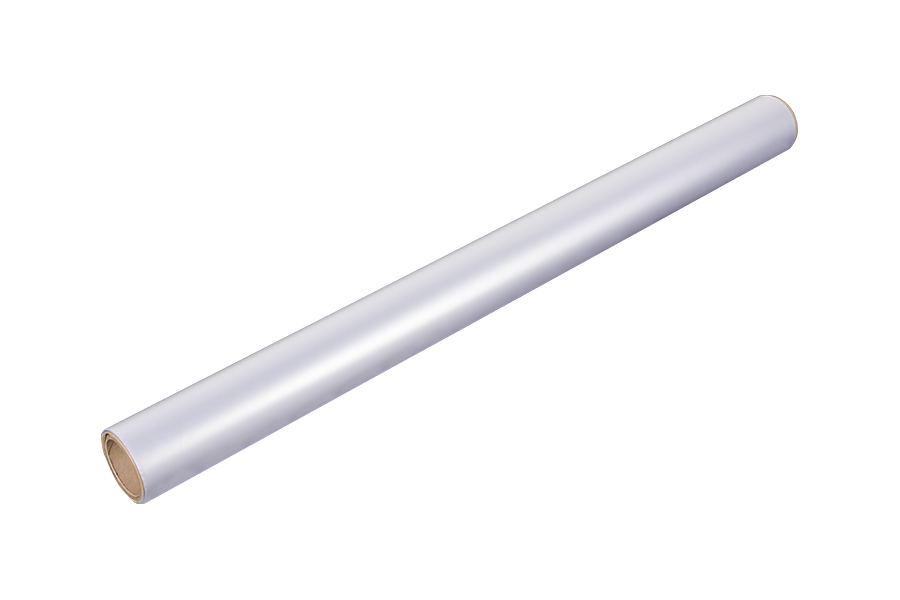
Triacetate (TAC) Film Support
Triacetate, another traditional material for color film support, is derived from cellulose. While less robust than polyester, it offers unique benefits:
- Excellent Optical Properties: TAC provides high clarity and minimal light scattering, ideal for projection quality.
- Good Dye Adherence: The slightly porous surface allows better bonding with photographic dyes and emulsions.
- Flexibility: Easier to handle and process in certain film formats compared to rigid PET.
- Biodegradability: As a cellulose derivative, TAC is more environmentally friendly than petroleum-based polyester.
However, triacetate is more susceptible to thermal and humidity-induced shrinkage than polyester, making it less ideal for archival or high-temperature applications.
Comparative Analysis: PET vs TAC
| Material | Strength | Dimensional Stability | Optical Clarity | Moisture Resistance |
| Polyester (PET) | Very high | Excellent | High | Excellent |
| Triacetate (TAC) | Moderate | Good | Very High | Moderate |
Additional Material Considerations
Other support materials have been explored for specialized applications:
- Cellulose Nitrate: Historically used but highly flammable, now largely obsolete for safety reasons.
- Composite Films: PET or TAC blended with anti-static or UV-protective coatings to improve longevity and performance.
- Polypropylene: Lightweight and chemically resistant but with lower optical clarity, suitable for certain experimental applications.
Environmental and Longevity Factors
For archival quality, support films must resist degradation over time. Polyester outperforms other materials in resisting hydrolysis, UV-induced yellowing, and mechanical deformation. Triacetate, while optically superior, may require controlled storage conditions to prevent shrinkage or warping. Temperature, humidity, and exposure to chemicals are critical factors to monitor during film storage, handling, and processing.
Conclusion
Selecting the best material for color film support depends on the desired balance between durability, optical clarity, flexibility, and environmental stability. Polyester (PET) is ideal for high-strength, long-lasting applications, offering excellent dimensional stability and moisture resistance. Triacetate remains a popular choice for high-quality optical performance but requires careful environmental control. Understanding material properties, handling requirements, and application contexts ensures optimal performance and longevity of color film support films in photography and motion picture production.