 English
 中文简体
中文简体
 русский

Content
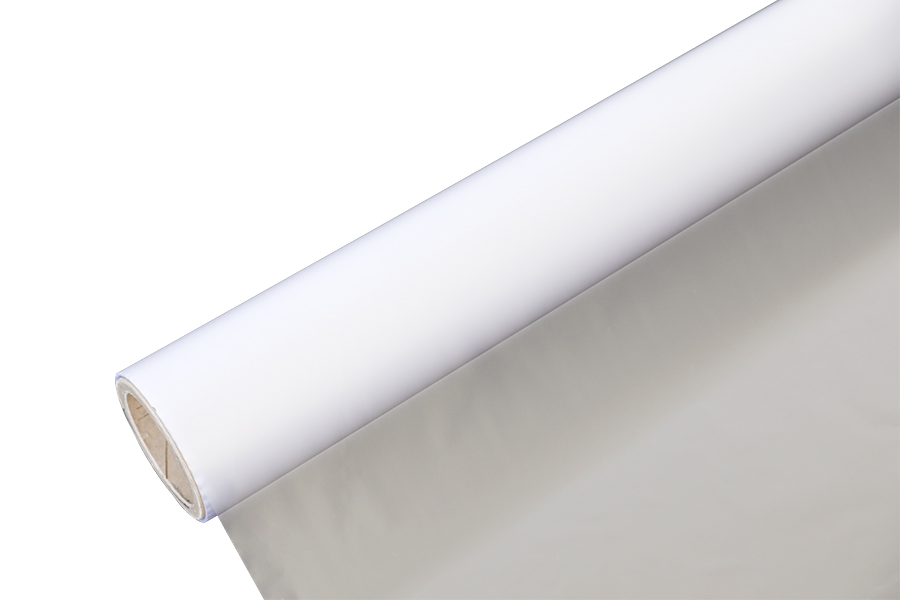
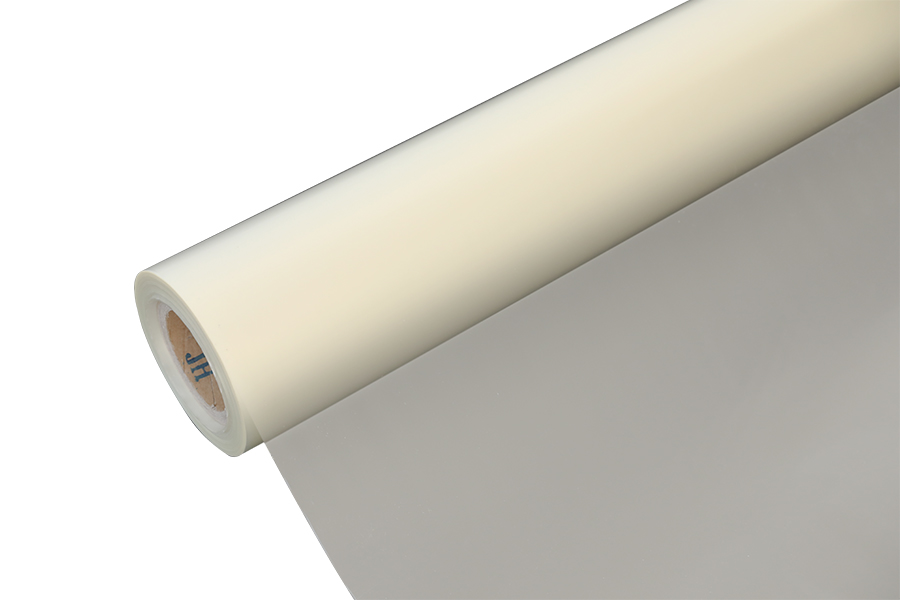
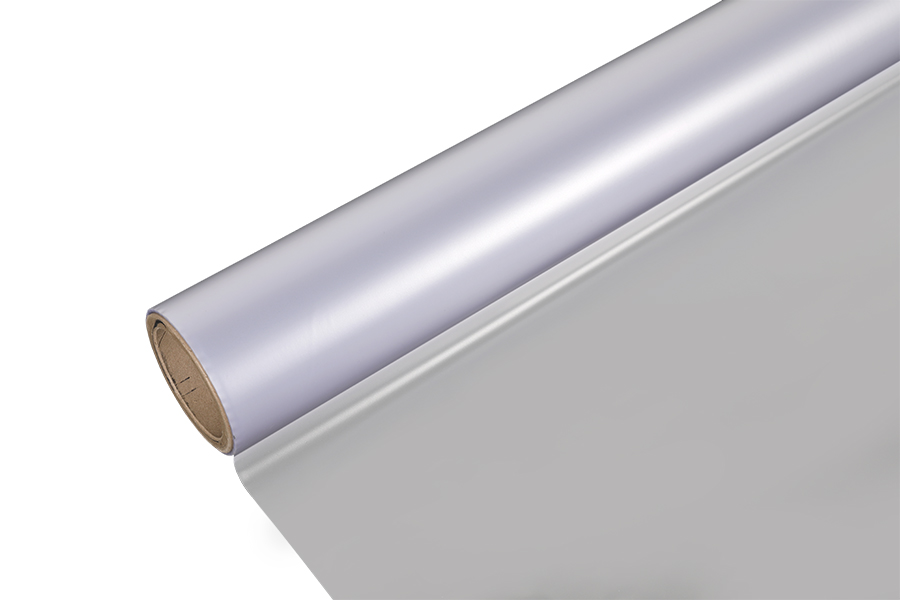
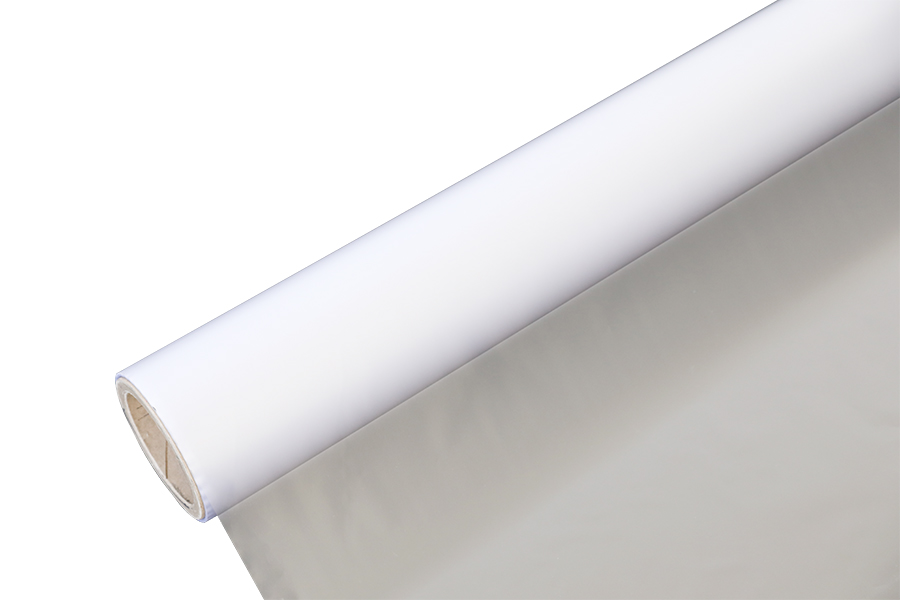
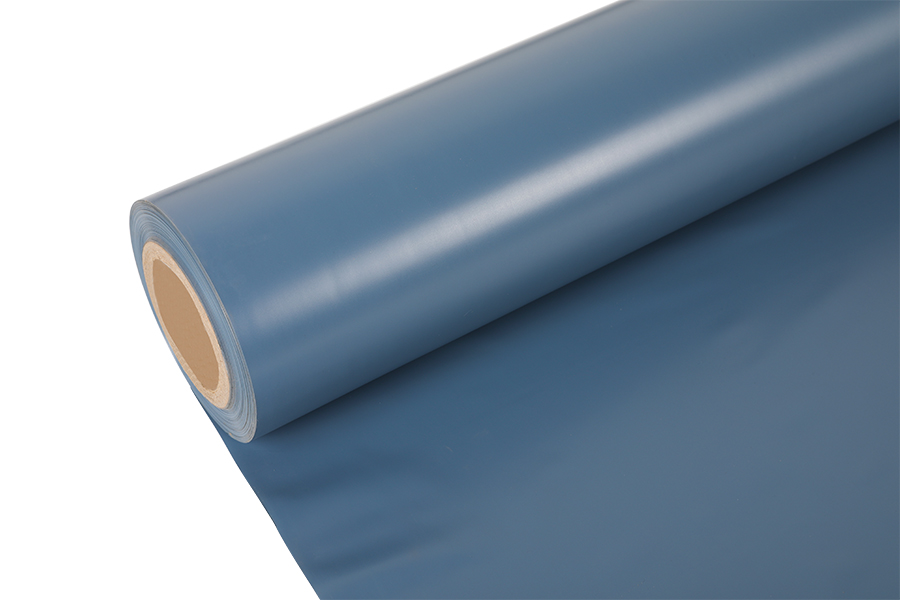
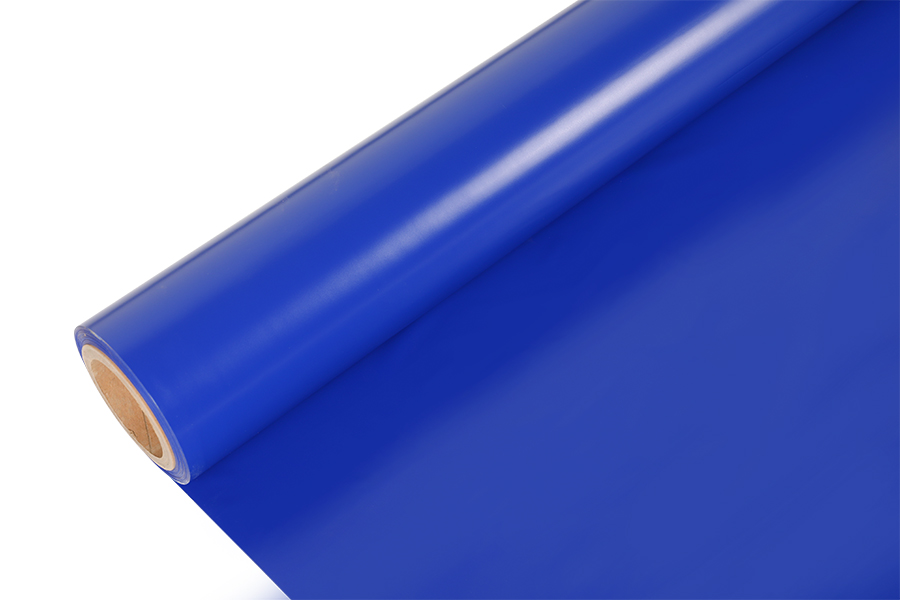
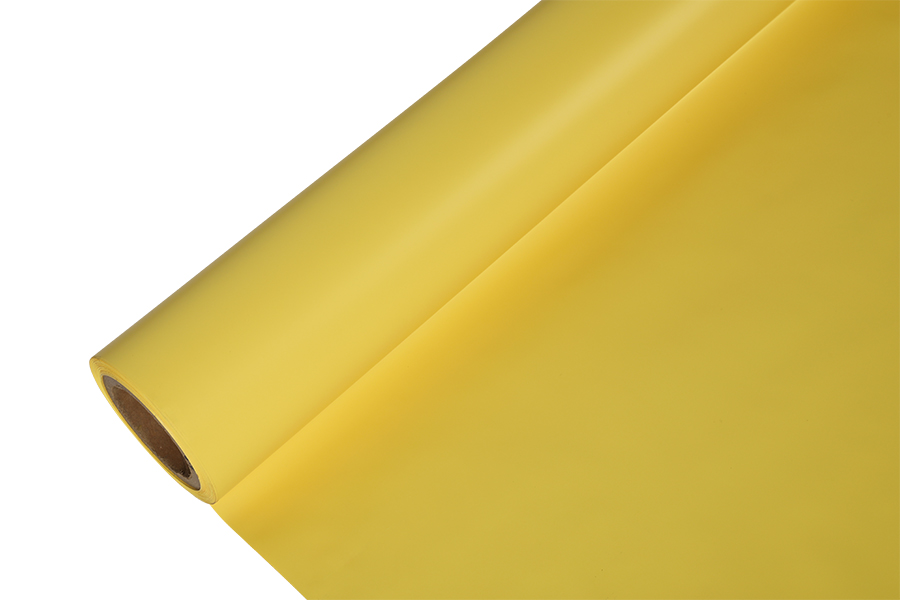
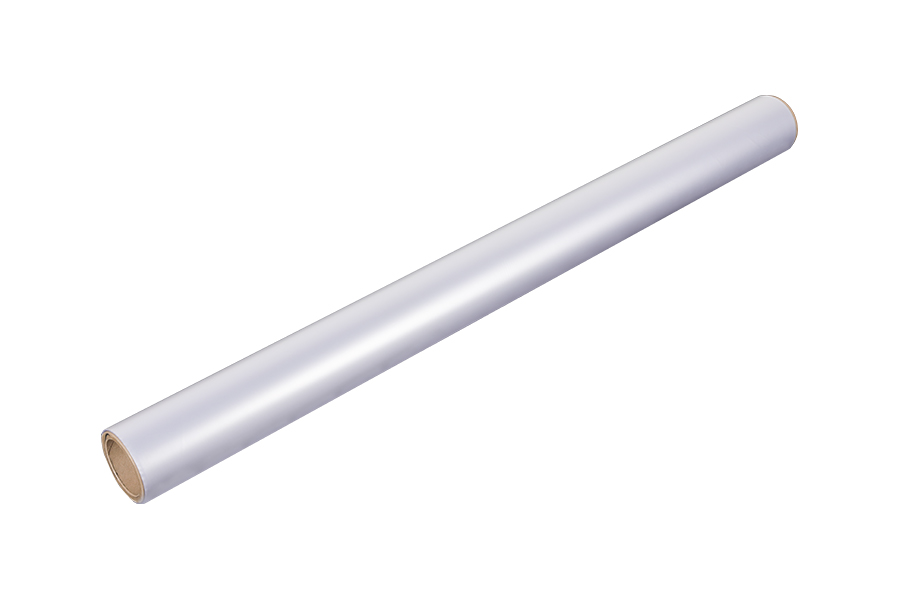
Semi-rigid printing ostensible film is a versatile material widely used in modern packaging and labeling solutions. Combining the flexibility of thin films with the structural stability of rigid substrates, it offers a unique balance that enhances print quality, durability, and consumer appeal. Its semi-rigid nature allows it to maintain shape under handling while still being compatible with various printing techniques.
This article explores the main applications of semi-rigid printing ostensible film, examining its benefits for packaging, labels, and other specialized uses in diverse industries.
Applications in Product Packaging
Semi-rigid films are increasingly popular in product packaging due to their ability to combine protective features with aesthetic appeal. They are used to create durable, high-quality packaging that resists bending and deformation while maintaining a premium look.
- Cosmetics Packaging: Semi-rigid films are ideal for compact cases, foundation containers, and cosmetic kits, providing structural integrity while allowing high-resolution printing of brand graphics.
- Food Packaging: These films are used for flexible trays, blister packs, and outer packaging for chocolates, snacks, and premium food products, ensuring durability and print clarity for nutritional and branding information.
- Electronics Packaging: Semi-rigid films provide protective yet printable layers for electronic gadgets, accessories, and small devices, enabling high-quality visual representation of branding and product information.
Labeling Applications
Labels made from semi-rigid printing ostensible films offer superior durability, resistance to tearing, and enhanced adhesion to curved or irregular surfaces. These features make them suitable for products requiring long-lasting, visually appealing labels.
- Beverage Labels: Wine, spirits, and premium beverage bottles benefit from semi-rigid films that allow embossing, high-quality ink printing, and a premium tactile feel.
- Pharmaceutical and Medical Labels: Semi-rigid films ensure readability, chemical resistance, and durability for safety-critical labels on vials, bottles, and medical devices.
- Cosmetic Labels: Semi-rigid films support intricate designs, metallic finishes, and durable coatings, enhancing brand recognition on skincare and beauty products.
Advantages Over Flexible or Rigid Films
Compared to fully flexible films, semi-rigid printing films offer improved structural support, preventing curling or tearing during handling. Unlike fully rigid films, they are easier to process on high-speed printing lines and can conform slightly to packaging contours.
- Better print fidelity: The semi-rigid surface allows for sharper ink adhesion and precise detail reproduction.
- Enhanced durability: Resistant to bending, creasing, and minor impact during transport or storage.
- Versatility: Compatible with a variety of printing methods including flexography, offset, and digital printing.
Use in Specialty Packaging
Beyond standard product packaging and labeling, semi-rigid printing ostensible films are utilized in specialty packaging where both visual appeal and structural integrity are critical.
- Gift Packaging: Semi-rigid films are ideal for decorative boxes and gift card holders, allowing high-quality prints and metallic or embossed finishes.
- Luxury Goods: Jewelry, watches, and premium accessories use semi-rigid films to combine protective structure with high-end print aesthetics.
- Promotional and Marketing Materials: Semi-rigid films can be used in brochures, tags, and sample displays where durability and visual quality are equally important.
Printing Techniques Compatible with Semi-Rigid Films
The unique properties of semi-rigid printing films allow them to support multiple printing techniques, enabling versatility in product branding and packaging design.
- Flexographic Printing: Ideal for large-scale label production with vibrant color reproduction.
- Offset Printing: Ensures detailed graphics and precise color registration for premium packaging applications.
- Digital Printing: Suitable for short runs, customized designs, and rapid prototyping of packaging and labels.
Durability and Consumer Experience
Semi-rigid films enhance consumer perception by combining functionality with a premium feel. The tactile quality, resistance to tearing, and ability to hold vibrant graphics contribute to a better user experience.
Consumers often associate the rigidity and quality of packaging with product value. Semi-rigid films allow brands to deliver a sense of luxury, while also protecting contents during transport and handling.
Conclusion
Semi-rigid printing ostensible film has become an essential material in modern packaging and labeling due to its unique balance of flexibility, durability, and print quality. From cosmetics and beverages to specialty packaging and luxury goods, it enables high-quality visual representation while maintaining structural integrity.
Brands adopting semi-rigid films can enhance consumer perception, ensure product protection, and achieve versatile printing capabilities, making it a preferred choice for packaging innovation and premium label solutions.