 English
 中文简体
中文简体
 русский

Content
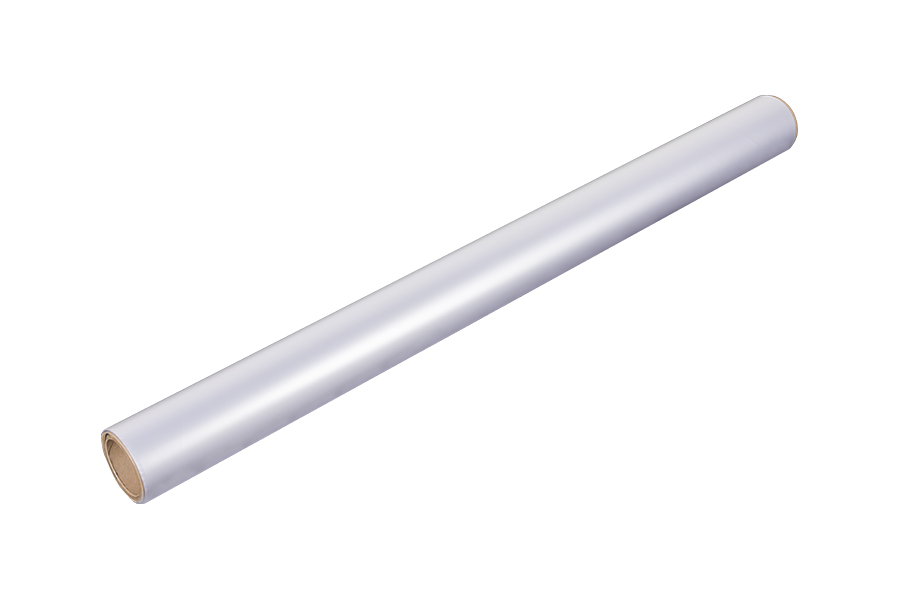
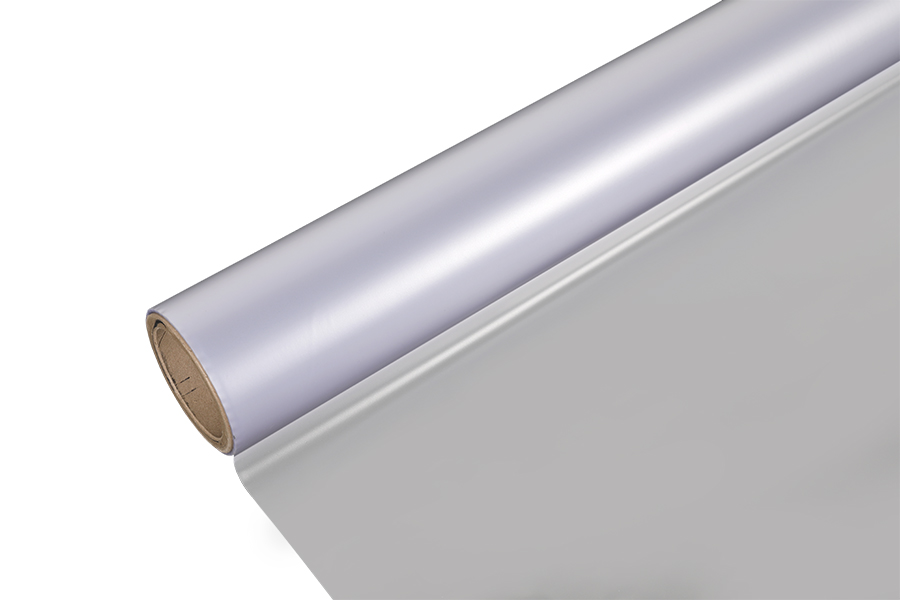
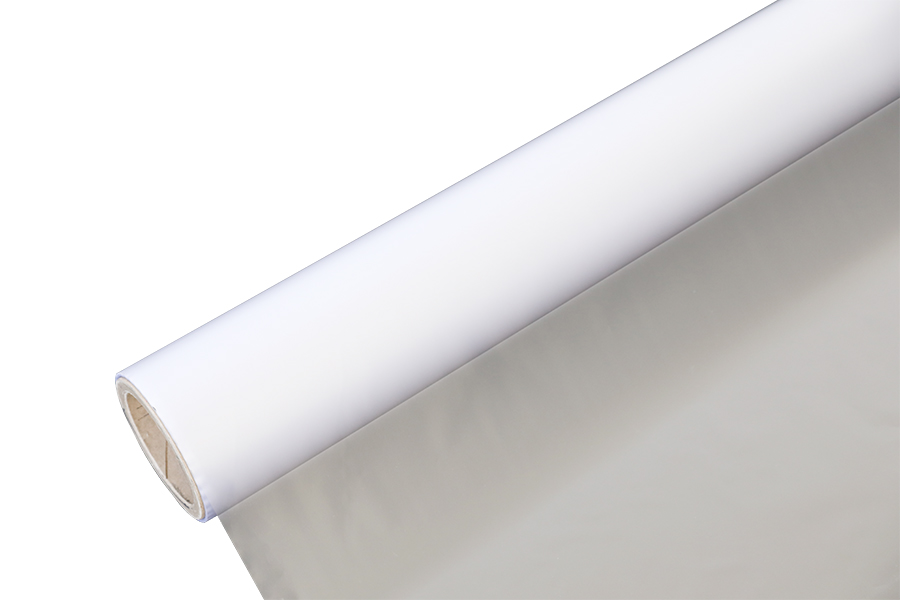
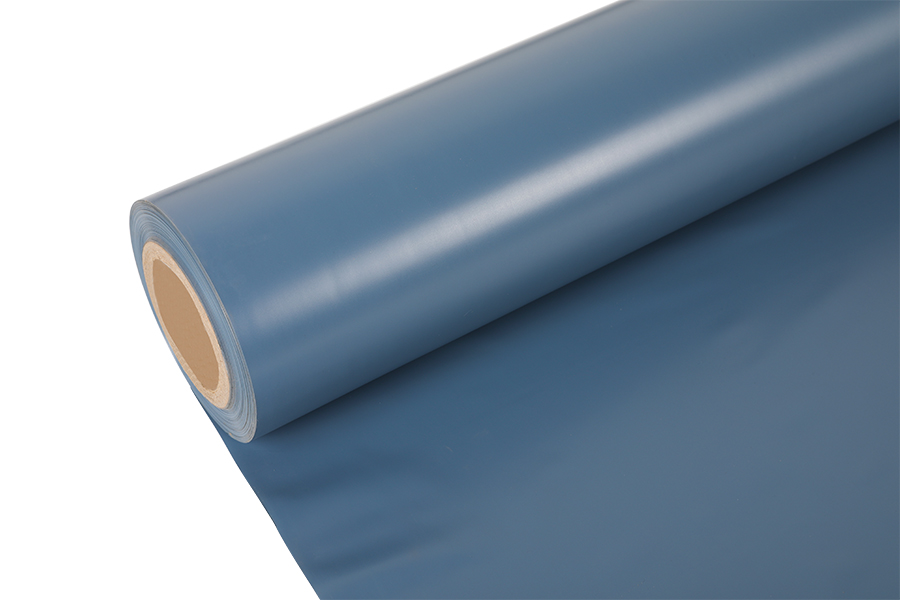
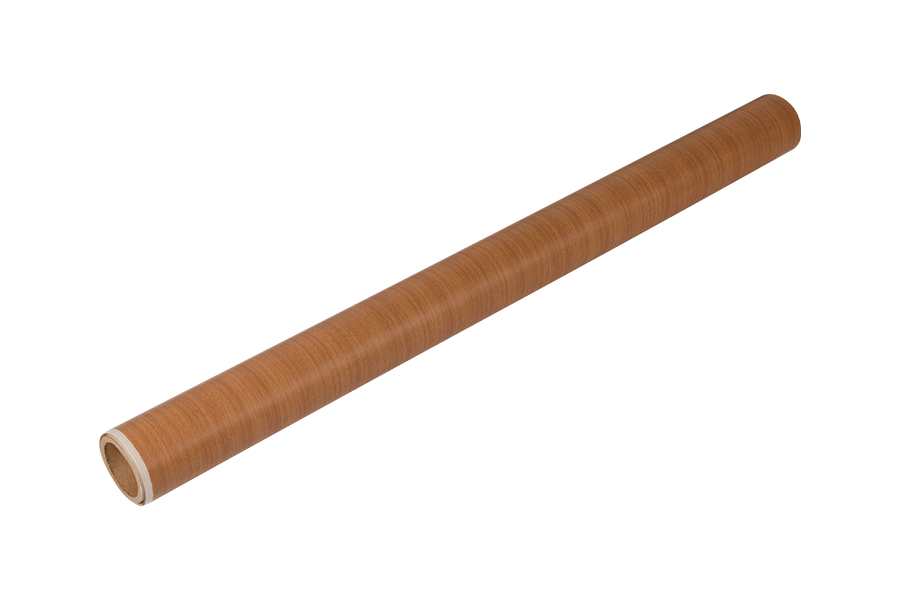
Wood grain PVC decorative film is a flexible surface finishing material made from polyvinyl chloride and designed to replicate the appearance and texture of natural wood. Through advanced printing, embossing, and lamination techniques, this film can closely mimic various wood species such as oak, walnut, teak, maple, and cherry. It is widely used as a decorative and protective layer on furniture, panels, doors, cabinets, and interior architectural elements.
Unlike real wood veneer, wood grain PVC decorative film offers consistent color, uniform texture, and stable performance under changing environmental conditions. This makes it a practical solution for large-scale production and interior projects where appearance, durability, and cost control are equally important.
How Wood Grain PVC Decorative Film Is Manufactured
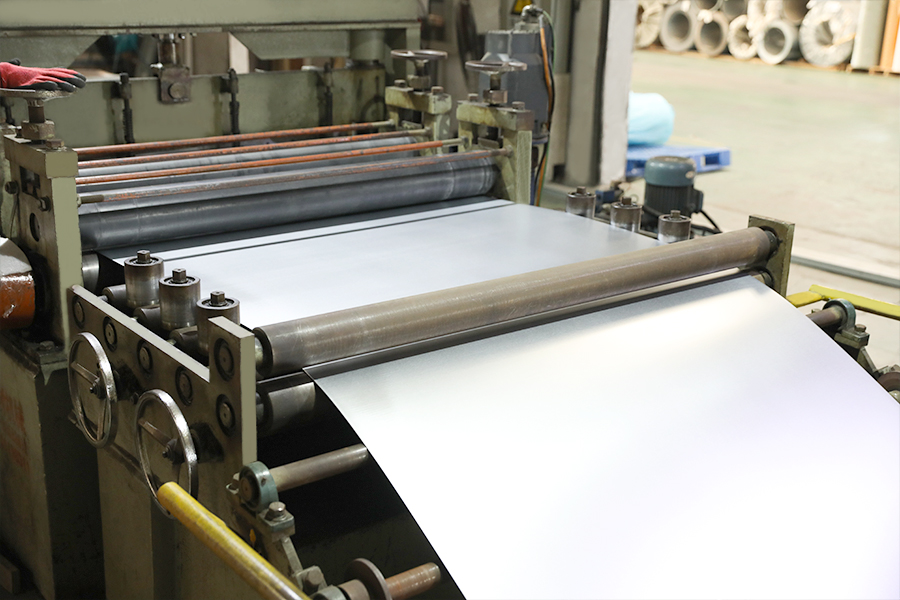
The production of wood grain PVC decorative film involves multiple controlled processes to ensure visual realism and functional reliability. High-quality PVC resin is combined with plasticizers, stabilizers, and pigments to create a base film with the desired flexibility and strength.
Wood grain patterns are applied using gravure printing or digital printing, followed by embossing to create a tactile surface that simulates natural wood pores. A transparent protective layer is often added to enhance wear resistance, stain resistance, and color stability.
Printing and Color Consistency
Advanced printing technology ensures consistent wood grain patterns across large production batches. This uniformity is essential for furniture and interior projects that require matching surfaces across multiple components.
Embossing and Surface Texture
Embossing adds depth and realism by aligning surface texture with the printed grain pattern. This process enhances the visual and tactile quality, making the film closely resemble real wood.
Key Performance Characteristics
Wood grain PVC decorative film is valued not only for its appearance but also for its practical performance. These characteristics make it suitable for both residential and commercial interiors.
- Moisture resistance, preventing swelling or warping
- Scratch and abrasion resistance for daily use
- Color stability under indoor lighting conditions
- Easy cleaning and low maintenance requirements
These properties allow the film to maintain its appearance over time, even in environments such as kitchens, bathrooms, and commercial spaces where traditional wood materials may degrade.
Common Applications in Interior and Furniture Design
Wood grain PVC decorative film is widely used across multiple industries due to its versatility and cost efficiency. It can be applied to various substrates, including MDF, particleboard, plywood, and metal panels.
Furniture and Cabinet Surfaces
In furniture manufacturing, this film is commonly used for wardrobes, kitchen cabinets, office desks, and shelving units. It provides a wood-like finish while reducing material costs and improving resistance to wear.
Interior Doors and Wall Panels
Interior doors and decorative wall panels benefit from the consistent appearance and easy installation of PVC films. Large surfaces can be finished quickly without the variation often found in natural wood.
Commercial and Retail Interiors
Retail stores, hotels, and office spaces use wood grain PVC decorative film to achieve warm, natural aesthetics while meeting durability and maintenance requirements.
Advantages Compared to Natural Wood and Veneer
When compared with solid wood or wood veneer, PVC decorative film offers several practical advantages that influence material selection in modern interior projects.
| Aspect | PVC Decorative Film | Natural Wood |
| Moisture Resistance | High | Low to Medium |
| Color Consistency | Excellent | Variable |
| Maintenance | Low | High |
| Cost Control | Predictable | Fluctuating |
Installation Methods and Processing Techniques
Wood grain PVC decorative film can be applied using several methods depending on production scale and surface requirements. Common techniques include flat lamination, vacuum pressing, and profile wrapping.
Vacuum membrane pressing is especially popular for three-dimensional surfaces, as it allows the film to conform closely to edges, grooves, and curved profiles without cracking or peeling.
Environmental and Safety Considerations
Modern wood grain PVC decorative films are produced to meet environmental and safety standards for indoor use. Low-VOC formulations and compliance with regulations such as REACH and RoHS are increasingly common.
By reducing the need for natural wood, PVC decorative films also help conserve forest resources and support more sustainable material usage in interior design.