 English
 中文简体
中文简体
 русский

Content
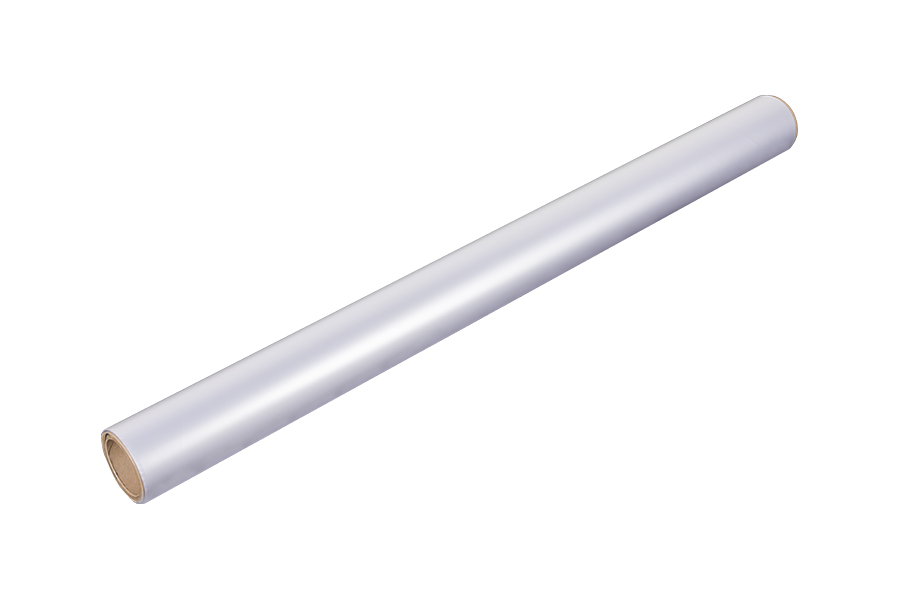
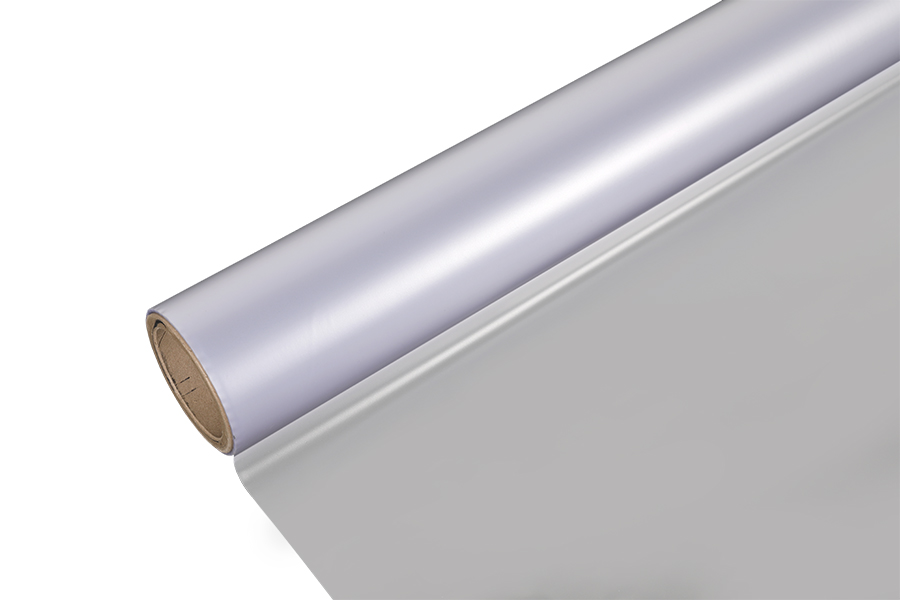
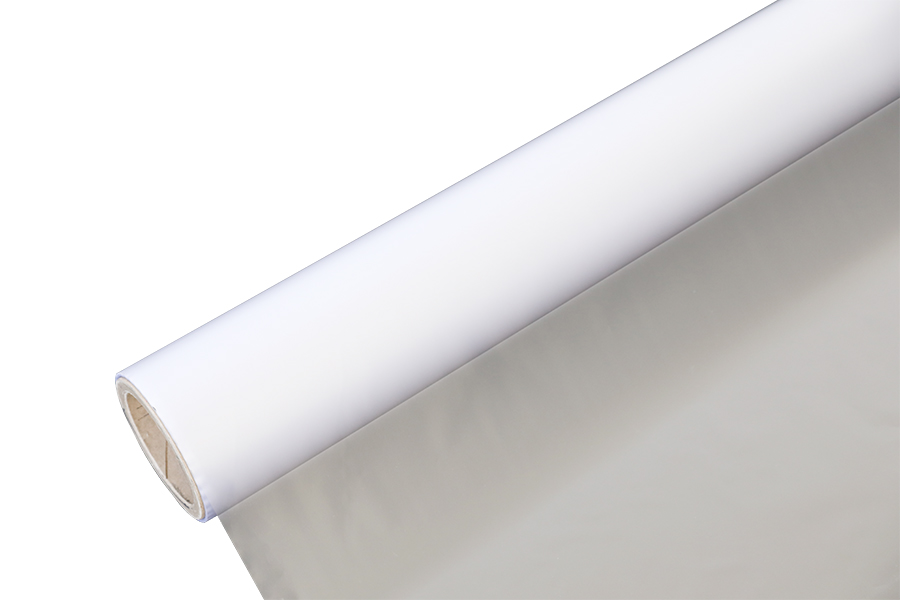
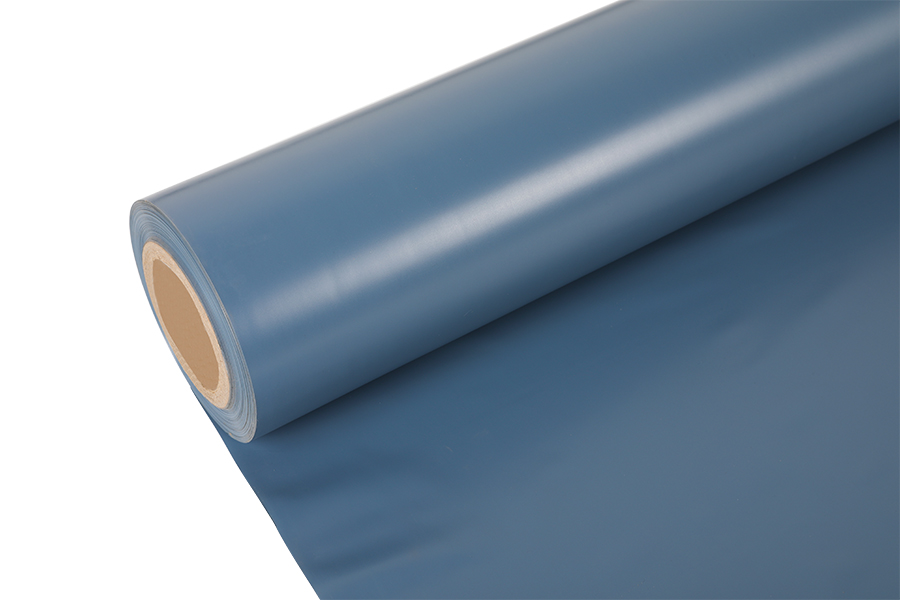
What Is High Gloss PET Decorative Film
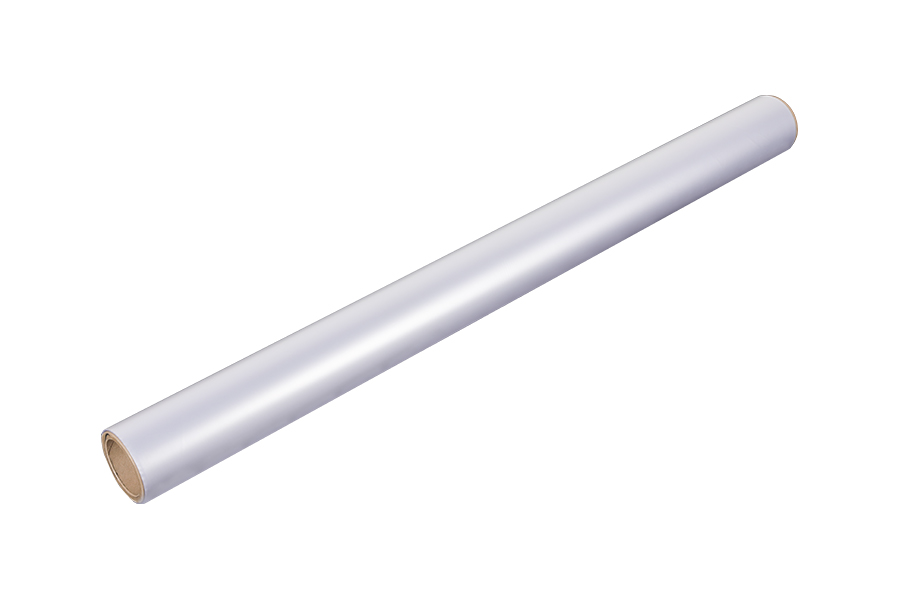
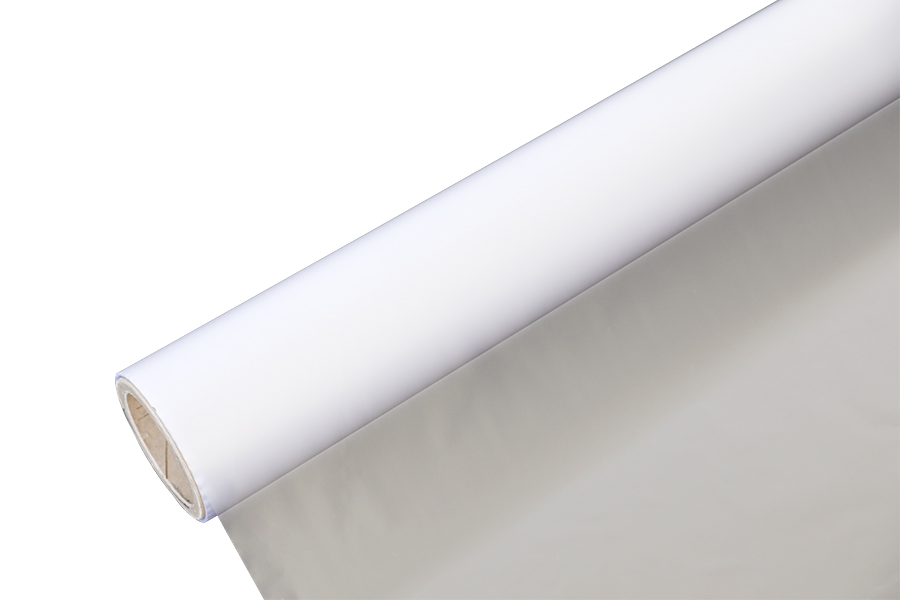
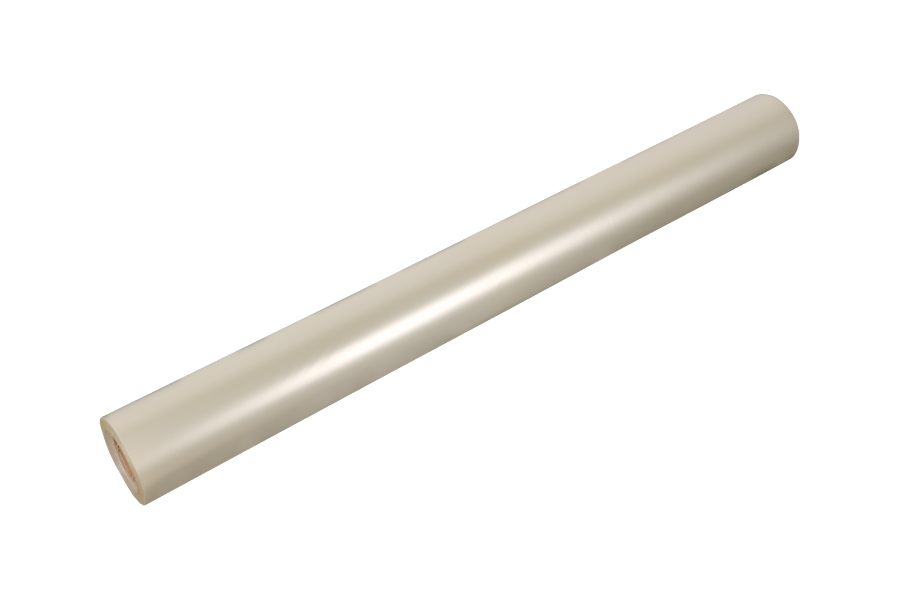
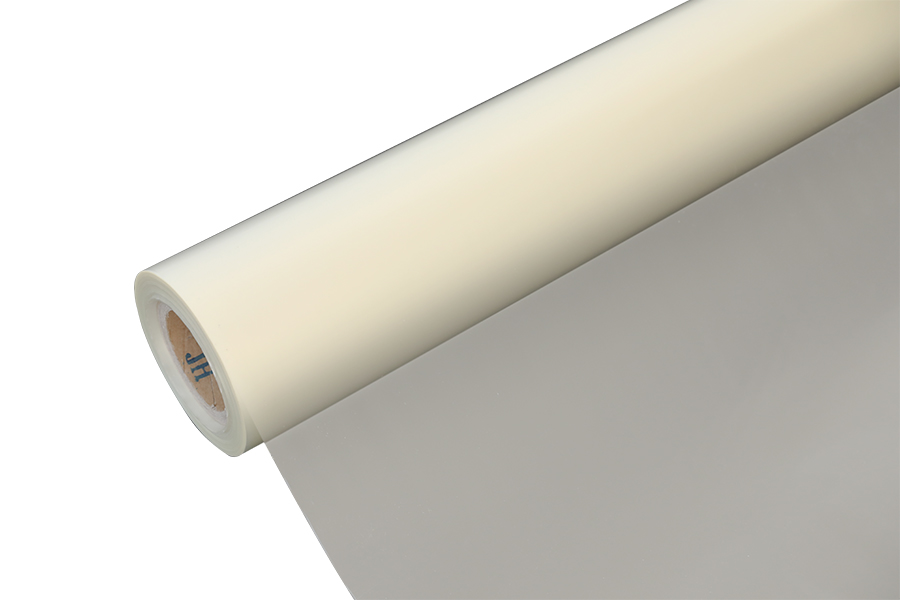
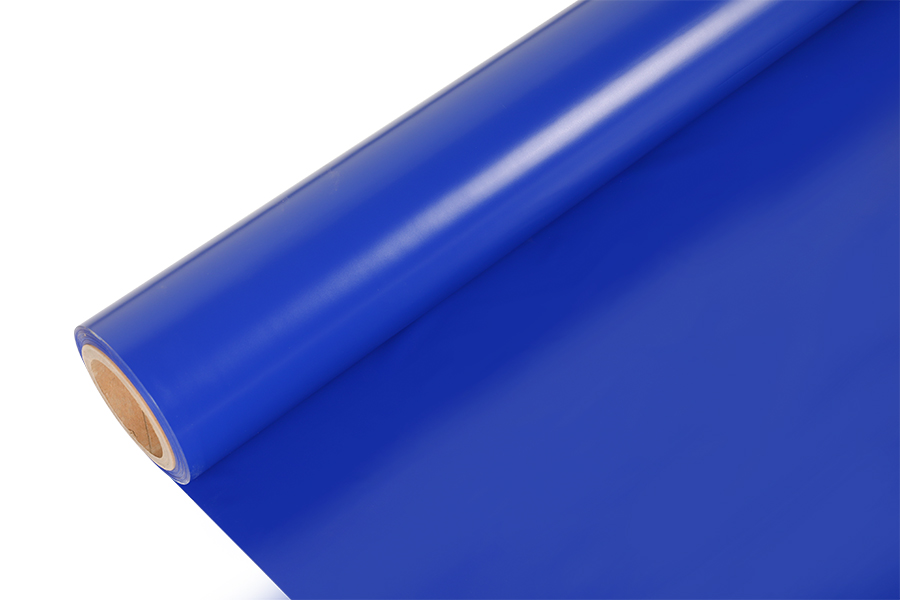
High gloss PET decorative film is a polyester-based surface material engineered to deliver a mirror-like, reflective finish on furniture, cabinetry, and interior panels. Made from polyethylene terephthalate, this film is laminated onto substrates such as MDF, particleboard, or plywood to create a smooth, glossy surface that mimics the appearance of high-end lacquered or painted finishes without the labor-intensive spraying and curing process traditional lacquer requires.
The film's popularity has grown steadily among furniture manufacturers and interior designers because it offers a consistent, factory-controlled finish that reduces production variability compared to hand-applied coatings. Its durability, scratch resistance, and wide color range make it a practical choice for both residential and commercial applications where a polished, contemporary look is desired.
Key Properties That Define Quality Film
Not all high gloss PET films perform equally, and understanding the properties that separate premium products from lower-grade alternatives helps buyers make informed purchasing decisions for their specific application.
Characteristics to Evaluate
- Gloss level: measured in gloss units, typically ranging from 85 to 95 GU for true high gloss
- Film thickness: commonly between 0.2mm and 0.5mm depending on application
- Scratch resistance: surface hardness that withstands daily wear without dulling
- UV stability: resistance to yellowing or fading from prolonged light exposure
- Adhesive bonding strength: ensures long-term adhesion to the substrate without bubbling or peeling
Higher gloss units generally indicate a more reflective, mirror-like surface, though this also means minor surface imperfections on the substrate become more visible, making proper substrate preparation essential before lamination.
Common Applications in Furniture and Interior Design
High gloss PET decorative film is used across a wide range of interior and furniture manufacturing applications where a sleek, modern aesthetic is the goal. Its versatility allows it to be applied to both flat and curved surfaces, expanding its use beyond simple flat-panel furniture.
| Application | Common Use Case |
| Kitchen Cabinets | Glossy cabinet doors and panels |
| Wardrobes and Closets | Sliding door surfaces |
| Office Furniture | Desks and storage units |
| Wall Panels | Decorative interior wall cladding |
| TV Units and Media Consoles | High-visibility living room furniture |
Kitchen and bathroom cabinetry manufacturers particularly favor this film because it resists moisture better than some painted finishes while offering the reflective quality consumers associate with premium, modern kitchen design.
Advantages Over Traditional Lacquer Finishes
Manufacturers increasingly choose PET film lamination over traditional spray lacquer for several practical reasons related to production efficiency, environmental impact, and finish consistency.
Benefits of Film Lamination
- Faster production time compared to multi-coat spray and curing processes
- Reduced volatile organic compound emissions during manufacturing
- Consistent color and gloss level across large production runs
- Lower labor costs since application can be automated
- Easier touch-up and replacement of damaged panels
The reduction in VOC emissions has become an increasingly important factor for manufacturers targeting markets with stricter environmental regulations, as film lamination eliminates the need for solvent-based sprays used in traditional lacquer application.
Substrate Preparation and Application Process
Achieving a flawless high gloss finish depends heavily on proper substrate preparation before the film is applied. Since the film is thin and highly reflective, any surface irregularities on the underlying board will telegraph through to the finished appearance.
The substrate must be sanded to a smooth, even surface and thoroughly cleaned of dust and debris before lamination begins. Manufacturers typically use vacuum membrane presses or roller laminators to apply heat and pressure, activating the adhesive backing and bonding the film uniformly across the surface, including edges and contoured profiles when using membrane press equipment.
Temperature and pressure settings during lamination must be carefully controlled according to the film manufacturer's specifications, since inconsistent heat application can lead to poor adhesion, visible seams, or air bubbles trapped beneath the surface.
Care and Maintenance Tips for Long-Lasting Results
Proper care extends the lifespan and appearance of high gloss PET film surfaces, helping furniture and cabinetry maintain their reflective finish over years of daily use. Because glossy surfaces show fingerprints, dust, and minor scratches more readily than matte finishes, regular cleaning routines matter more for this material.
Cleaning should be done using a soft microfiber cloth with a mild, non-abrasive cleaner, avoiding rough sponges or scouring pads that can create fine scratches over time and dull the reflective surface. Direct exposure to prolonged high heat, such as placing hot cookware directly on a high gloss countertop edge, should be avoided since excessive heat can cause the film to lift or discolor at the affected area.
For long-term maintenance, periodically applying a specialized gloss-restoring polish designed for laminate or PET surfaces can help maintain the original shine, particularly in high-traffic areas like kitchen cabinet doors that experience frequent handling and cleaning.