 English
 中文简体
中文简体
 русский

Content
- 1 What Is PVC Decorative Film and Why Do Beginners Choose It?
- 2 Tools and Materials You Need Before You Start
- 3 Step 1 — Prepare the Surface Properly
- 4 Step 2 — Measure and Cut the Film
- 5 Step 3 — Apply the Film Using the Right Technique
- 6 Step 4 — Trim the Edges Cleanly
- 7 How to Fix Common Problems During Installation
- 8 Surfaces That Work Best — and Ones to Avoid
- 9 Caring for PVC Decorative Film After Installation
What Is PVC Decorative Film and Why Do Beginners Choose It?
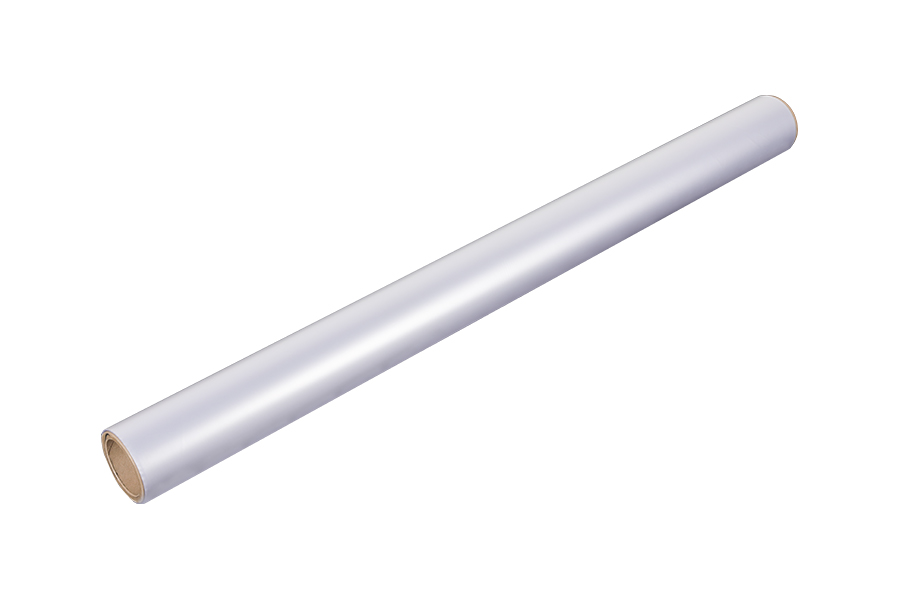
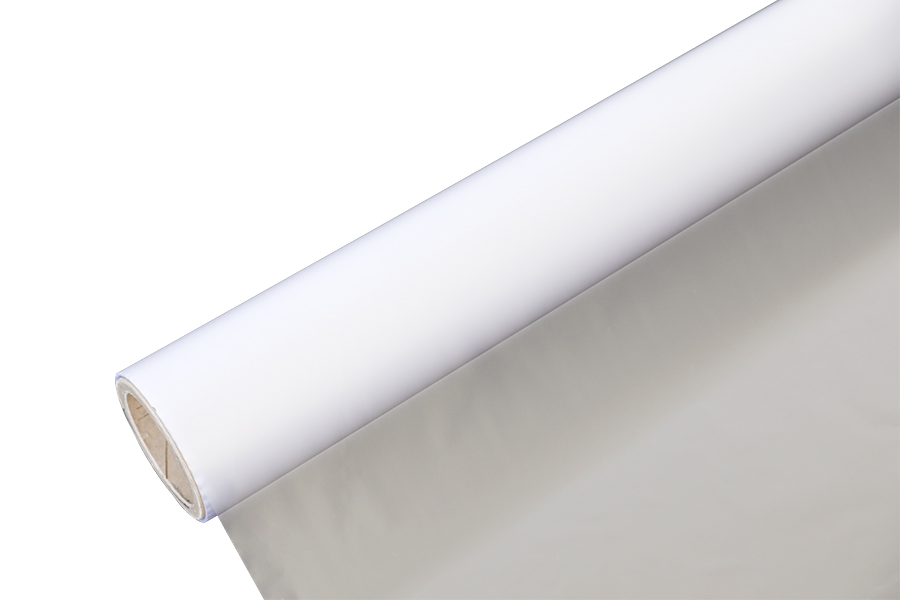
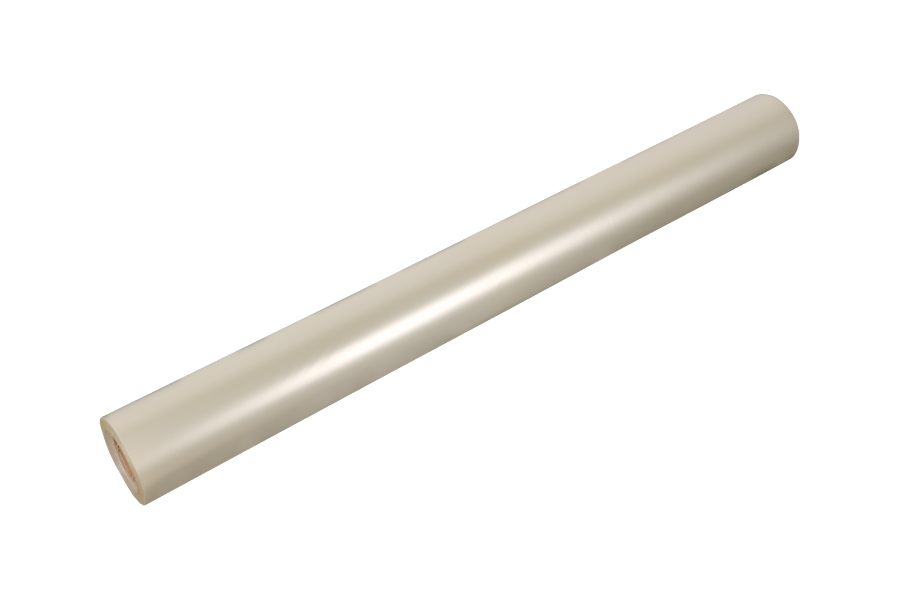
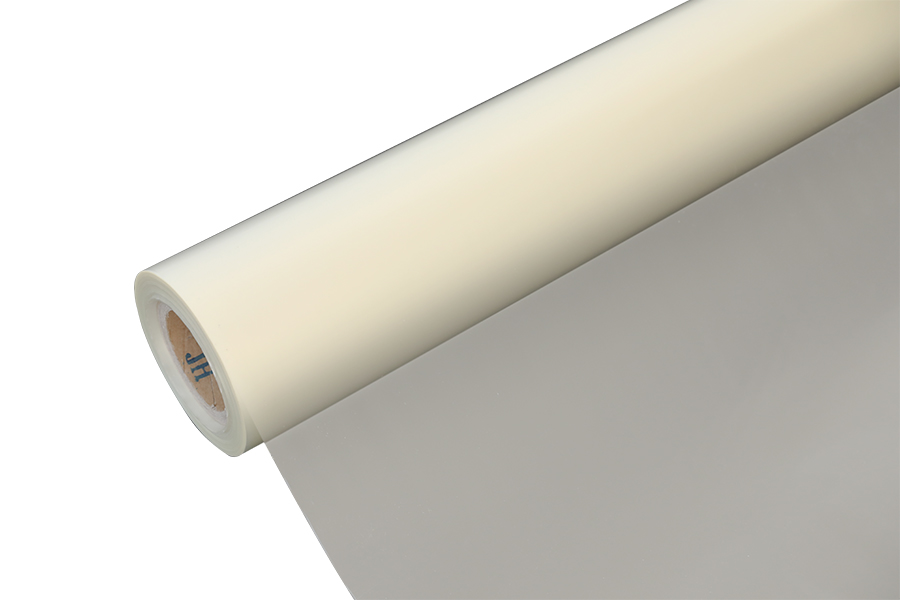
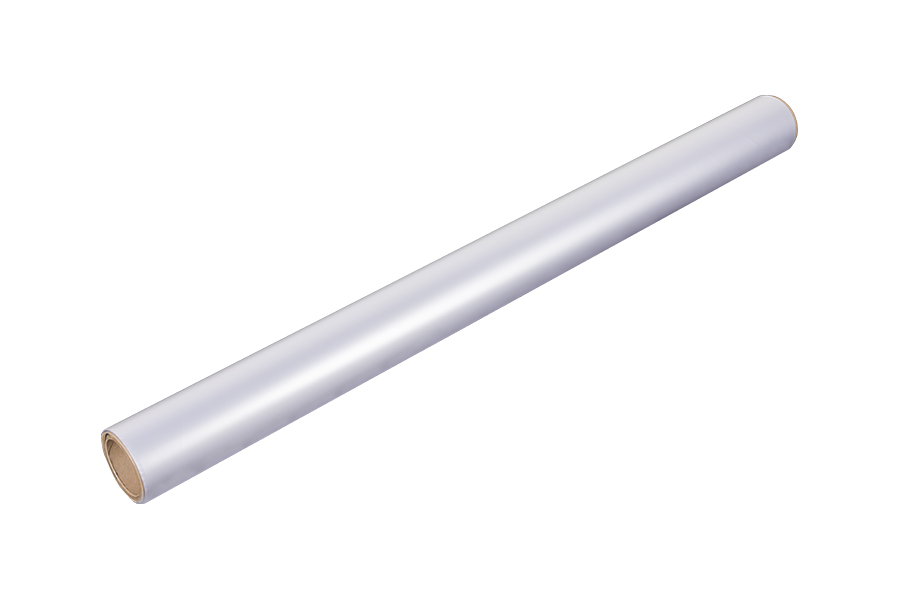
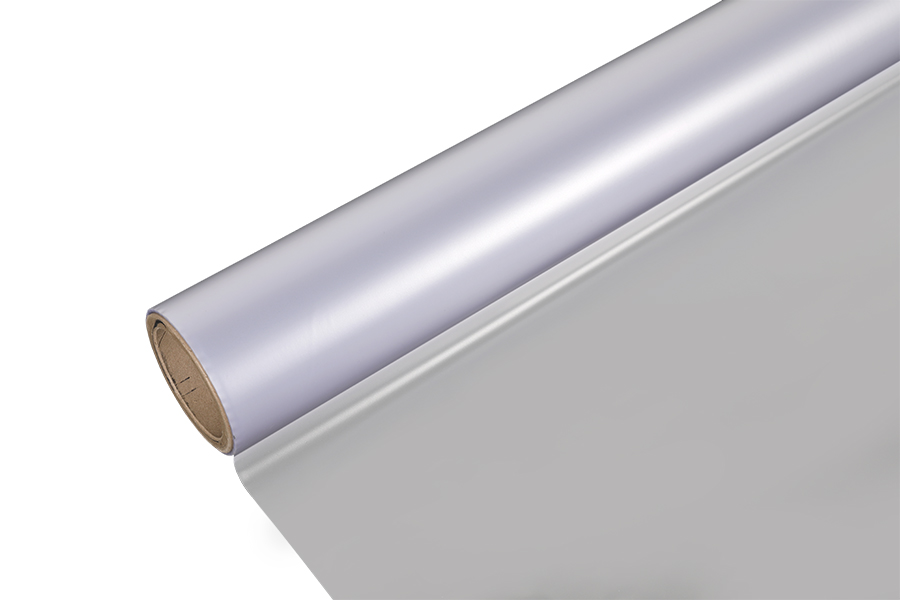
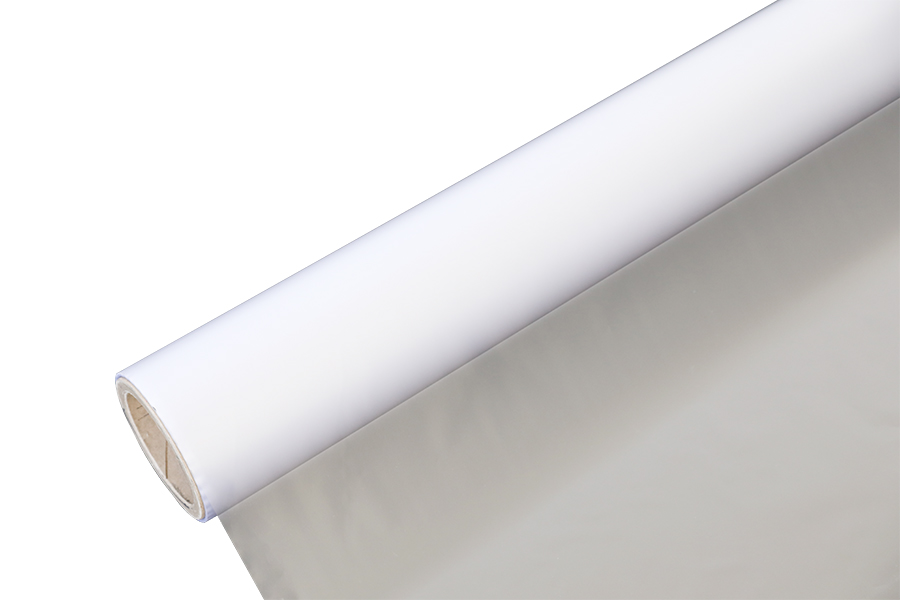
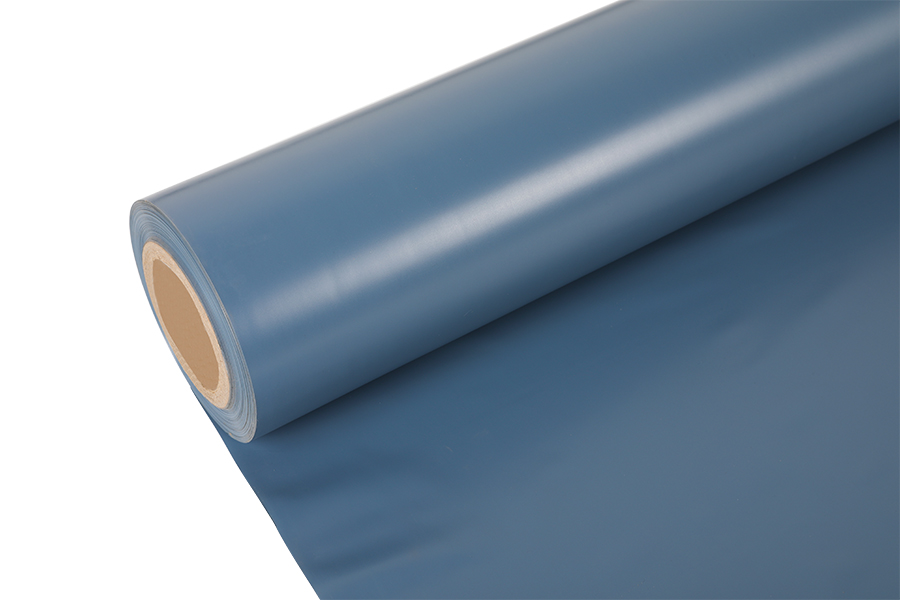
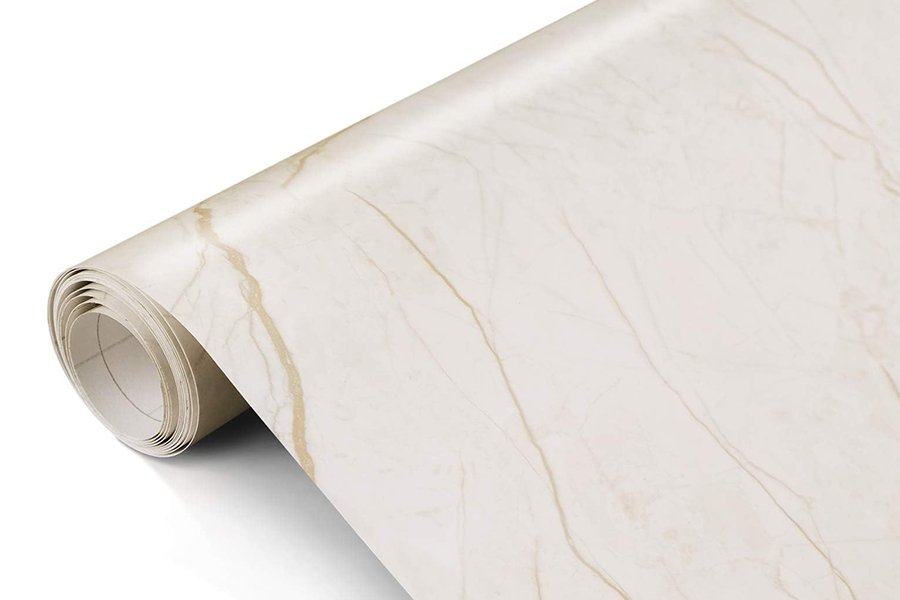
PVC decorative film — also called self-adhesive vinyl film or contact paper — is a pressure-sensitive material used to resurface furniture, cabinets, walls, countertops, and glass. It comes in hundreds of finishes including wood grain, marble, frosted, solid color, and metallic. For beginners, the appeal is straightforward: it delivers a dramatic visual upgrade at a fraction of the cost of replacement, requires no special tools, and is removable without permanent damage when applied correctly. Understanding the installation process before you start will make the difference between a smooth, professional-looking result and a frustrating mess of bubbles and misaligned edges.
Tools and Materials You Need Before You Start
Having the right tools on hand before you begin is the single most effective way to avoid mistakes. Trying to improvise with household items mid-installation leads to wrinkles, uneven cuts, and lifted edges. Gather everything listed below before peeling any backing.
- PVC decorative film — measured to your surface with at least 2–3 inches of extra material on each side for trimming
- Squeegee or credit card — for smoothing film onto the surface and pushing out air bubbles
- Utility knife or precision craft knife — for clean edge trimming
- Metal ruler or straight edge — to guide cuts along straight lines
- Measuring tape — for accurate sizing before cutting
- Pencil or chalk marker — for marking cut lines on the backing paper
- Cleaning supplies — isopropyl alcohol (70% or higher), lint-free cloths, and a mild degreaser if the surface is greasy
- Heat gun or hair dryer — useful for curved surfaces and for removing wrinkles
Optional but helpful: a spray bottle filled with a diluted soapy water solution (a few drops of dish soap in water). This wet application method gives you more time to reposition the film before it fully adheres, which is especially useful for large flat surfaces like cabinet doors or tabletops.
Step 1 — Prepare the Surface Properly
Surface preparation is the step beginners most often skip, and it's the one that most directly determines whether the film stays in place. PVC film adhesive is designed to bond with clean, dry, smooth surfaces. Any dust, grease, moisture, or texture will reduce adhesion and cause peeling within weeks.
Start by wiping the surface with a lint-free cloth dampened with isopropyl alcohol. This removes invisible oil residue left by hands, cooking, or cleaning products. For kitchen surfaces, follow with a degreaser if the alcohol alone doesn't cut through buildup. Allow the surface to dry completely — at least 10–15 minutes — before proceeding. Do not use water alone, as it leaves mineral deposits that interfere with adhesion.
Check the surface for damage. Fill deep scratches, holes, or peeling paint before applying the film, since the film will conform to and highlight any surface imperfection underneath. Lightly sand rough areas and wipe away dust before cleaning with alcohol.
Step 2 — Measure and Cut the Film
Measure the surface you're covering and add 2–3 inches to each dimension. This overlap gives you material to work with when trimming the final edges, and it also lets you adjust the positioning slightly during installation without running short. Mark your cut lines on the backing paper (the non-adhesive side) using a pencil and ruler, then cut along those lines with a utility knife or scissors.
For surfaces with patterns — such as wood grain or marble — unroll a length of the film first and check the direction of the pattern. Decide whether you want the grain running horizontally or vertically before cutting. Once you've made your decision and cut the piece, set it aside and do not peel the backing yet.
Step 3 — Apply the Film Using the Right Technique
There are two widely used methods for applying PVC decorative film: the dry method and the wet method. Choose based on the size of your surface.
Dry Method (Best for Small Surfaces)
The dry method works well for surfaces under 12 inches wide, such as drawer fronts, small shelves, or trim pieces. Peel back about 2–3 inches of the backing paper and fold it under. Align the exposed adhesive edge with the top or side of your surface, press it down firmly, and then slowly peel the remaining backing while smoothing the film onto the surface with a squeegee as you go. Work in overlapping strokes from the center outward to push air toward the edges.
Wet Method (Best for Large Surfaces)
For large surfaces like cabinet doors, countertops, or full wall panels, the wet method is far more forgiving. Lightly mist the surface with your soapy water solution, then peel the entire backing off the film and mist the adhesive side as well. Lay the film onto the surface — the water temporarily prevents full adhesion, letting you slide the film into perfect position. Once aligned, use your squeegee to push the water out from the center toward the edges. Work methodically and apply firm, even pressure. Allow 24–48 hours for the adhesive to cure fully before the surface is exposed to moisture or heavy use.
Step 4 — Trim the Edges Cleanly
Once the film is fully adhered and all bubbles are removed, trim the excess material using a utility knife and metal ruler. Always cut against a hard straight edge — never freehand — for clean, professional lines. Pull the knife toward you in a single smooth stroke rather than sawing back and forth. Use a fresh blade; a dull blade drags and tears the film instead of cutting it.
For inside corners, cut a small diagonal relief slit before wrapping the film around the edge. This prevents bunching and allows the material to lie flat. For outside corners, wrap the film around the edge and press it down firmly, using a heat gun on low setting if needed to make the film more pliable. Trim any excess after the wrapped section is bonded.
How to Fix Common Problems During Installation
Even with careful preparation, issues can arise. Knowing how to handle them quickly prevents small problems from becoming permanent ones.
| Problem | Cause | Fix |
| Air bubbles | Insufficient squeegee pressure | Pierce with a pin, press flat, then smooth |
| Film won't stick to edges | Cold temperature or greasy surface | Use heat gun on low; re-clean surface |
| Visible wrinkles | Film stretched unevenly during application | Lift film while warm, reapply smoothly |
| Film shifts during application | Too much water (wet method) | Squeegee more aggressively from center out |
| Ragged cut edges | Dull blade or freehand cutting | Replace blade; always use a metal ruler |
Surfaces That Work Best — and Ones to Avoid
PVC decorative film bonds well with a wide range of surfaces, but not every material is compatible. Knowing which surfaces give the best results helps you plan your project realistically.
Compatible surfaces: smooth-painted wood, MDF, laminate, glass, metal, tile (flat glazed), and smooth plastic. These provide the even, non-porous base the adhesive needs to bond reliably.
Surfaces to approach with caution: raw unfinished wood (too porous), highly textured walls (adhesion is inconsistent), and surfaces with peeling or chalky paint (the film will only be as stable as the surface beneath it). Freshly painted surfaces should cure for at least 30 days before film is applied.
Surfaces to avoid entirely: brick, rough concrete, heavily embossed wallpaper, and fabric. The film cannot conform to these textures without lifting and won't maintain consistent adhesion.
Caring for PVC Decorative Film After Installation
Properly installed PVC film can last three to seven years depending on the quality of the film, the surface it's applied to, and how it's maintained. Clean it with a damp cloth and mild soap — avoid abrasive scrubbers, acetone, or bleach-based cleaners, as these will degrade the film's surface finish and weaken the adhesive over time. In kitchens, avoid direct steam exposure near seams, and in bathrooms, ensure the edges are pressed firmly to prevent moisture from lifting the film from the sides.
When it's time to remove the film, warm it with a heat gun or hair dryer to soften the adhesive, then peel slowly at a low angle. Residual adhesive can be removed with isopropyl alcohol or a commercial adhesive remover. On painted wood surfaces, always test the adhesive remover in a hidden spot first to ensure it doesn't lift the paint beneath.