 English
 中文简体
中文简体
 русский

Content
- 1 What Semi-Rigid Printing Basement Film Is Used For
- 2 Comparing Common Substrate Materials
- 3 Understanding Film Thickness and Rigidity Specifications
- 4 Surface Treatment and Print Adhesion Considerations
- 5 Thermoforming Compatibility and Temperature Profiles
- 6 Storage and Handling Practices That Preserve Film Quality
- 7 Working with Suppliers to Match Film to Your Application
What Semi-Rigid Printing Basement Film Is Used For
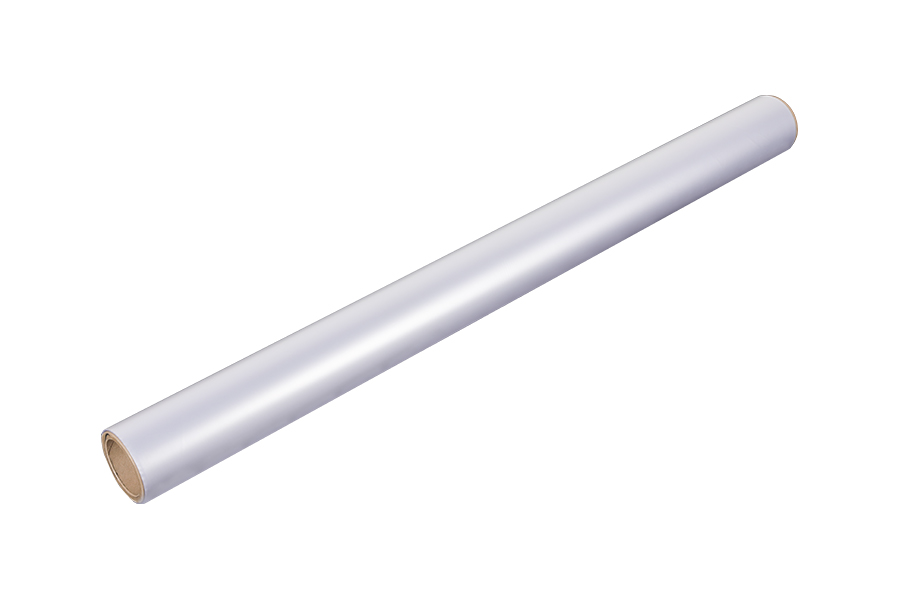
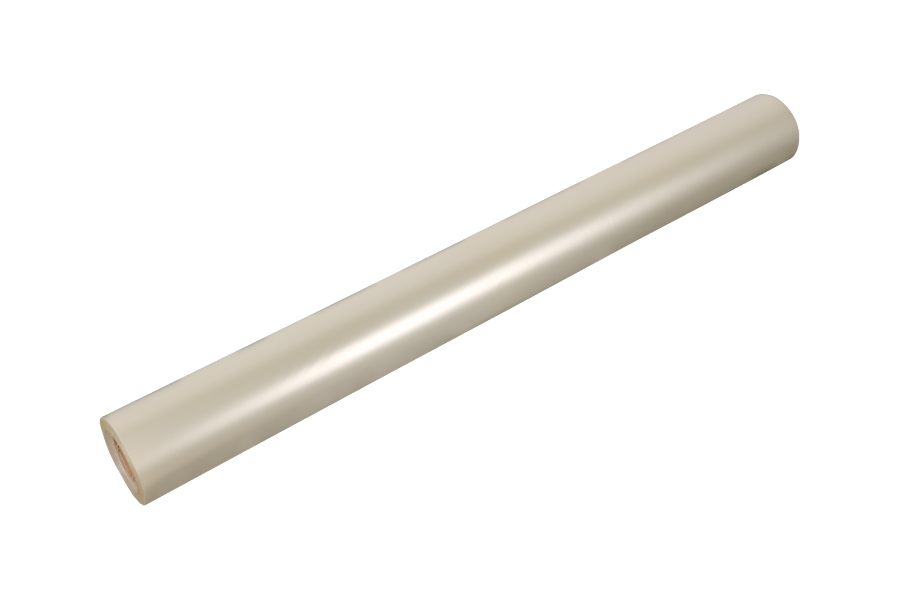
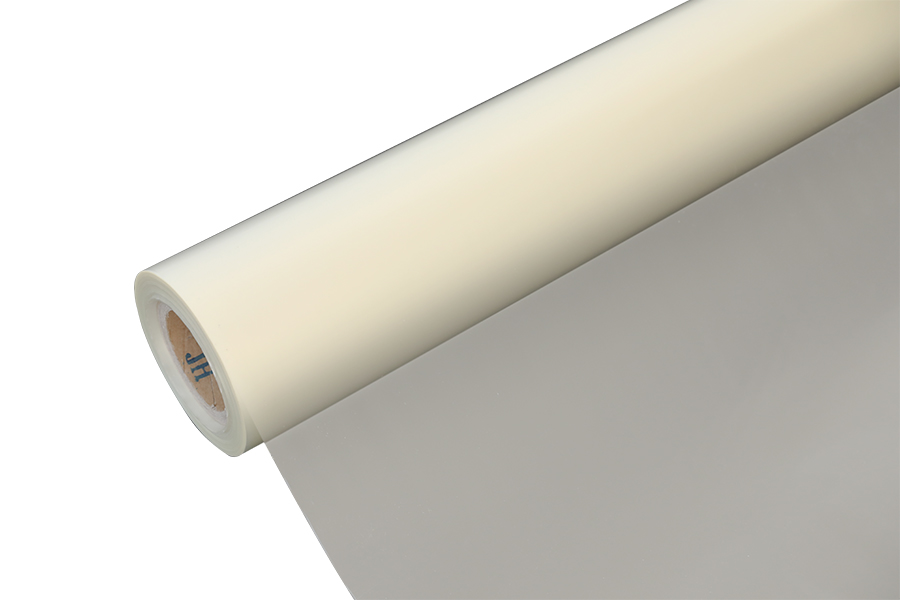
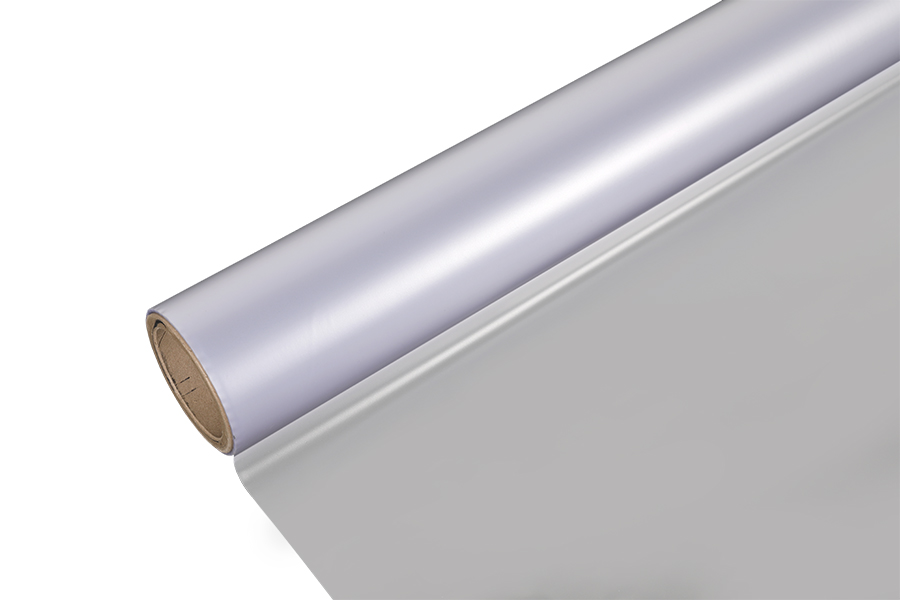
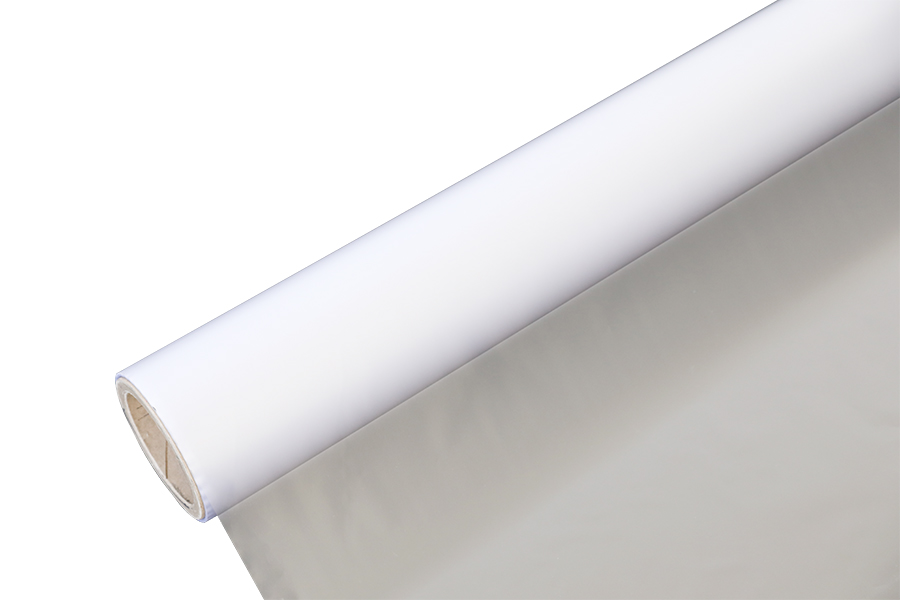
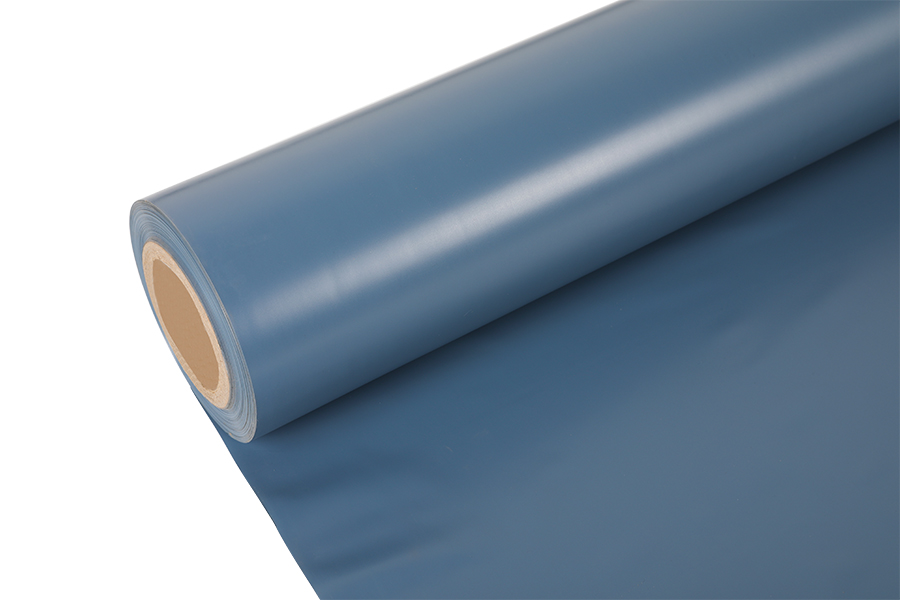
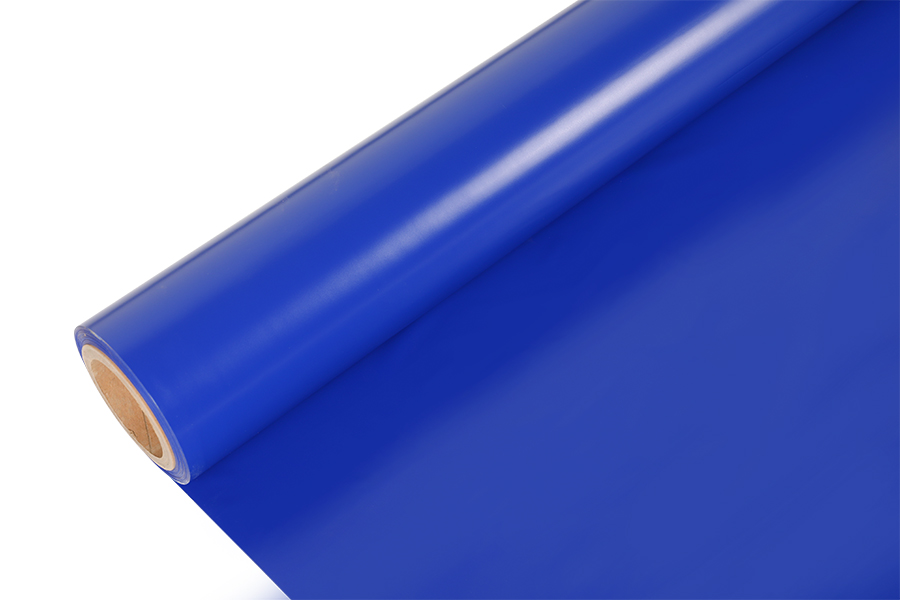
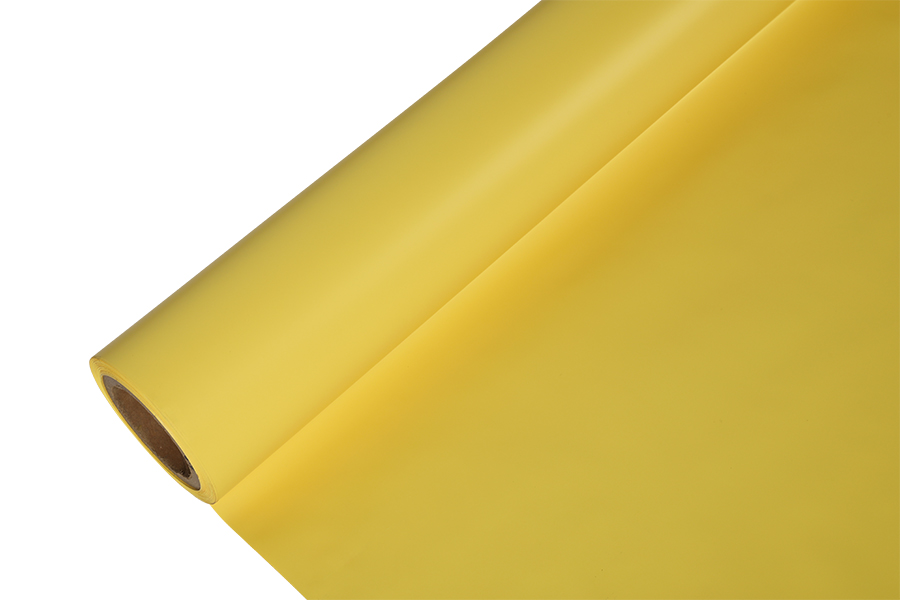
Semi-rigid printing basement film refers to a category of plastic substrate film that sits between flexible packaging film and fully rigid sheet plastic, offering enough stiffness to hold its shape during handling and thermoforming while remaining thin and pliable enough to run through standard printing equipment. This film serves as the base or "basement" layer in multilayer packaging construction, meaning it forms the structural foundation onto which printed graphics, barcodes, and product information are applied before the material is thermoformed into its final packaging shape.
Common applications include blister pack backing cards, clamshell packaging bases, pharmaceutical push-through packaging, and point-of-sale display inserts where the packaging needs to hold a rigid shape on a retail shelf while displaying clear, durable printed graphics. Materials typically used include PVC, PET, and polypropylene, each offering different combinations of clarity, printability, chemical resistance, and cost that buyers need to weigh against their specific packaging requirements.
Comparing Common Substrate Materials
PVC remains one of the most widely used materials for semi-rigid basement film because of its excellent printability, good clarity, and relatively low cost compared to alternatives. It thermoforms well at moderate temperatures and holds crisp printed detail, which makes it a common default choice for consumer packaging where cost control matters and the packaging will not be exposed to harsh chemicals or extreme temperatures. However, PVC has fallen out of favor in some markets due to recycling difficulties and regulatory restrictions in certain regions, so buyers should confirm local packaging regulations before committing to large volumes.
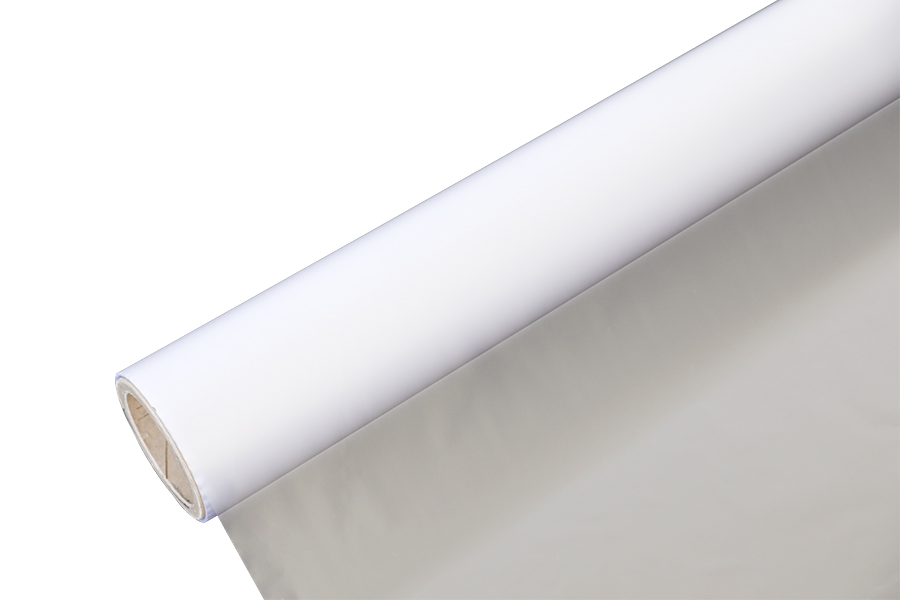
PET offers superior clarity, better chemical resistance, and easier recyclability compared to PVC, making it increasingly popular for pharmaceutical and food-adjacent packaging where regulatory compliance and sustainability messaging matter to brand owners. PET does typically cost more per unit and can require slightly different thermoforming temperature profiles than PVC, so equipment calibration matters when switching between the two materials on the same production line.
Polypropylene provides good chemical resistance and a lower moisture absorption rate than either PVC or PET, along with straightforward recyclability, though it generally offers less print clarity and a slightly hazier appearance that some brand owners find less suitable for premium retail packaging where visual presentation matters significantly.
Material Comparison at a Glance
| Material | Clarity | Cost | Best Suited For |
| PVC | Good | Low | General consumer packaging |
| PET | Excellent | Moderate to High | Pharmaceutical, premium retail |
| Polypropylene | Moderate | Moderate | Chemical-resistant applications |
Understanding Film Thickness and Rigidity Specifications
Film thickness, typically measured in microns or mils depending on regional convention, directly determines how rigid the final packaging feels and how well it resists bending or crushing during shipping and retail display. Thinner films in the range of 250 to 350 microns offer greater flexibility and lower material cost but may not provide sufficient rigidity for larger packaging formats or products with meaningful weight. Thicker films from 400 to 600 microns and beyond provide noticeably more structural rigidity, making them better suited to larger blister cards or packaging that needs to support heavier contents without sagging or bending on a display hook.
Buyers should request a specific thickness tolerance range from suppliers rather than accepting a nominal thickness figure alone, since inconsistent thickness across a roll can cause problems during high-speed thermoforming, leading to uneven wall thickness in the finished packaging and potential weak points that fail during shipping or shelf display.
Surface Treatment and Print Adhesion Considerations
Because semi-rigid basement film often needs to accept printed ink directly on its surface, surface treatment plays a critical role in how well printed graphics adhere and resist scuffing during handling. Corona treatment, which alters the surface energy of the plastic film to improve ink adhesion, is standard on most quality basement film intended for direct printing, and buyers should confirm the dyne level of treated film meets the minimum threshold their ink system requires, typically 38 dynes per centimeter or higher for reliable adhesion across common ink chemistries.
Some suppliers offer pre-primed film with an additional coating layer specifically formulated to enhance adhesion for certain ink types, such as UV-curable inks used in high-speed flexographic or offset printing lines. Buyers running UV ink systems should confirm compatibility with their specific film supplier's surface treatment, since mismatched ink and substrate combinations can lead to poor adhesion that only becomes apparent after printed product ships and begins showing ink flaking or rub-off during transit.
Print Adhesion Checklist
- Confirm corona treatment dyne level matches your ink system requirements
- Request adhesion test results specific to your ink chemistry
- Verify treatment stability if film will be stored before printing
- Test a small production run before committing to full-scale printing
Thermoforming Compatibility and Temperature Profiles
Since printed basement film is typically thermoformed into its final packaging shape after printing, the film must tolerate forming temperatures without distorting the printed graphics or losing structural integrity. Each material has a distinct forming temperature window, and running film outside its recommended range can cause problems ranging from incomplete forming and wrinkling to actual scorching or discoloration of printed ink.
Production teams should work closely with their film supplier to confirm the recommended forming temperature range for the specific film grade being used, and should run trial forms on new material batches before committing to a full production run, since even film from the same general material category can have slightly different forming characteristics depending on the specific resin formulation and manufacturing process used by a given supplier.
Typical Forming Temperature Ranges
| Material | Typical Forming Range |
| PVC | 120°C to 150°C |
| PET | 140°C to 170°C |
| Polypropylene | 150°C to 175°C |
Storage and Handling Practices That Preserve Film Quality
Semi-rigid basement film should be stored flat or properly supported on its original core in a climate-controlled environment away from direct sunlight and significant humidity fluctuation, since both temperature swings and moisture absorption can affect dimensional stability and printing performance. PET in particular is sensitive to moisture absorption prior to thermoforming, and film that has absorbed excess ambient moisture can produce visible surface defects during the forming process if not properly dried beforehand.
Rolls should be rotated on a first-in, first-out basis to avoid extended storage periods that can degrade corona treatment effectiveness over time, since the surface energy improvements from corona treatment gradually diminish during storage, particularly in warm conditions. Most suppliers recommend using treated film within a defined window, often three to six months, to ensure reliable print adhesion, and buyers running lower production volumes should factor this shelf life into their ordering quantities to avoid holding treated film longer than recommended.
Working with Suppliers to Match Film to Your Application
Selecting the right semi-rigid printing basement film ultimately requires clear communication with suppliers about the complete production chain your material will pass through, from printing method and ink chemistry to thermoforming equipment and final packaging use case. Request physical samples and run trial batches through your actual production equipment before committing to large volume orders, since specifications on a datasheet do not always translate perfectly to real-world performance on your specific line configuration.
Buyers should also ask suppliers directly about batch-to-batch consistency guarantees, particularly around thickness tolerance and surface treatment levels, since variability between production lots is one of the most common causes of unexpected quality issues in packaging operations that scale up from initial testing to full production volume. Building a strong working relationship with a supplier who understands your specific application, rather than treating basement film as an interchangeable commodity, generally leads to fewer production surprises and more consistent finished packaging quality over time.