 English
 中文简体
中文简体
 русский

Content
- 1 What Is PVC Decorative Film and Where Can You Actually Use It?
- 2 How PVC Decorative Film Is Made
- 3 Main Types of PVC Decorative Film
- 4 Performance Comparison by Film Type
- 5 Key Applications in Furniture and Interior Design
- 6 What to Check Before Buying PVC Decorative Film
- 7 Common Issues and How to Avoid Them
- 8 PVC Decorative Film vs. Alternative Surface Materials
What Is PVC Decorative Film and Where Can You Actually Use It?
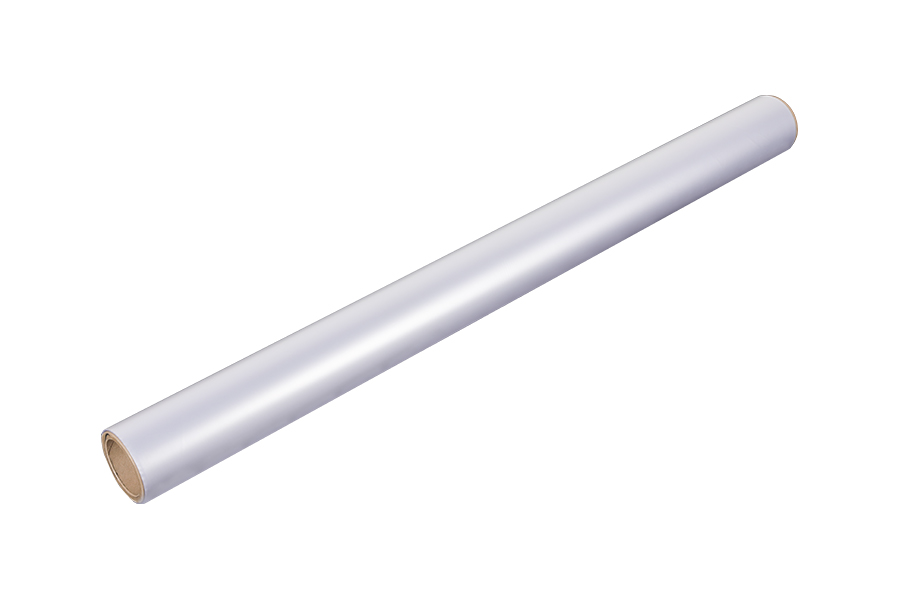
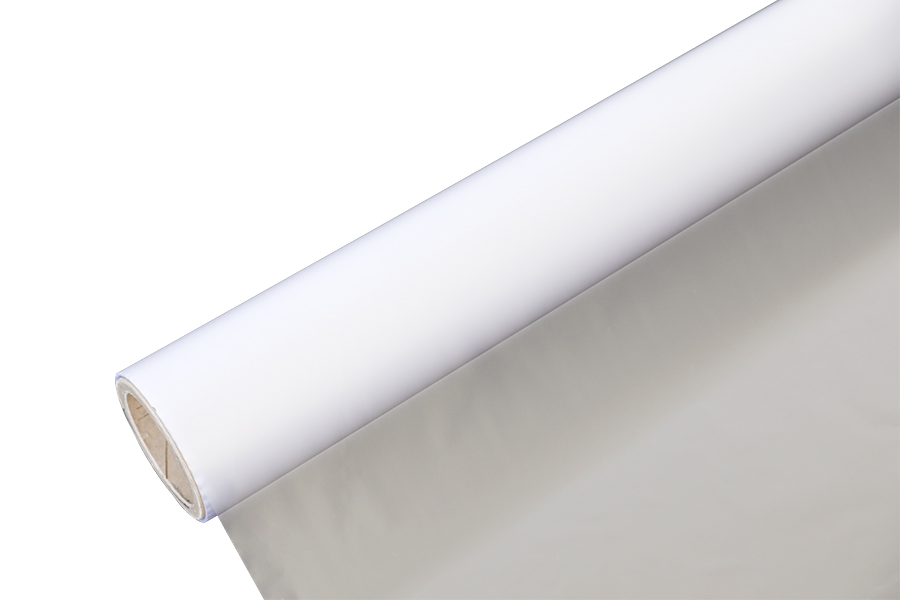
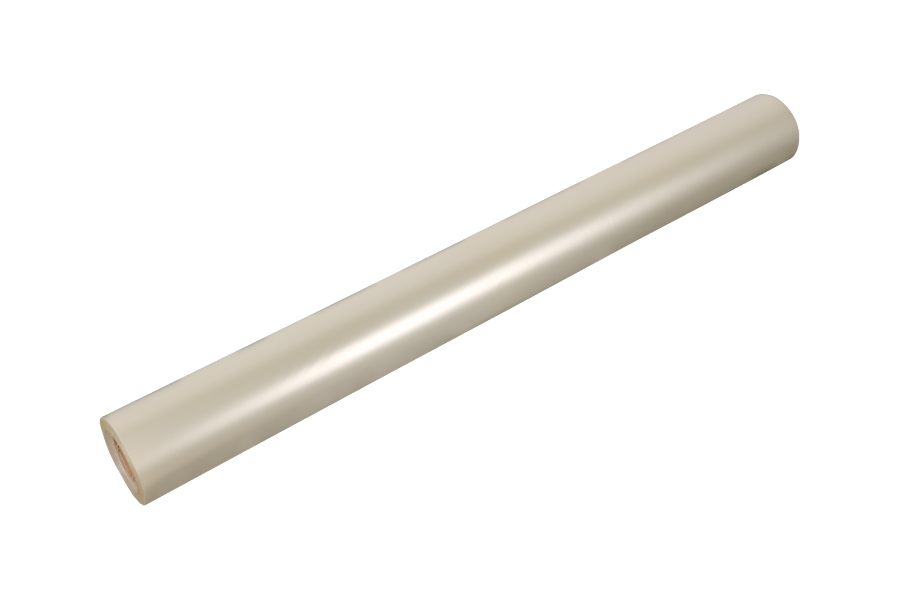
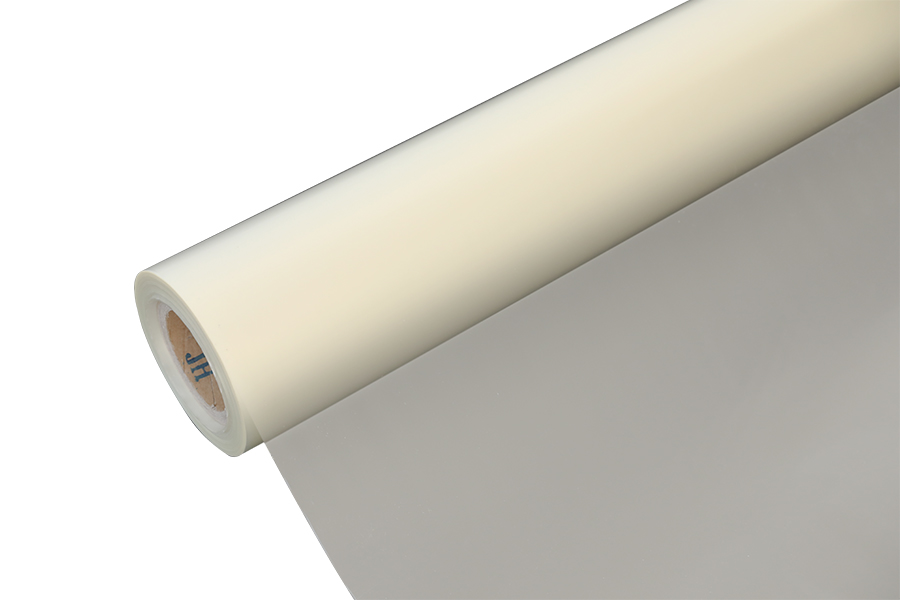
PVC decorative film has quietly become one of the most versatile surface finishing materials available to both manufacturers and renovation professionals. Made from polyvinyl chloride and processed into thin, flexible sheets with printed or embossed surface patterns, this film is applied to furniture panels, cabinetry, wall surfaces, doors, and architectural profiles to achieve a finished appearance at a fraction of the cost of solid materials. Understanding what it's made of, how it performs across different applications, and how to select the right type makes all the difference between a result that lasts and one that peels away within a year.
How PVC Decorative Film Is Made
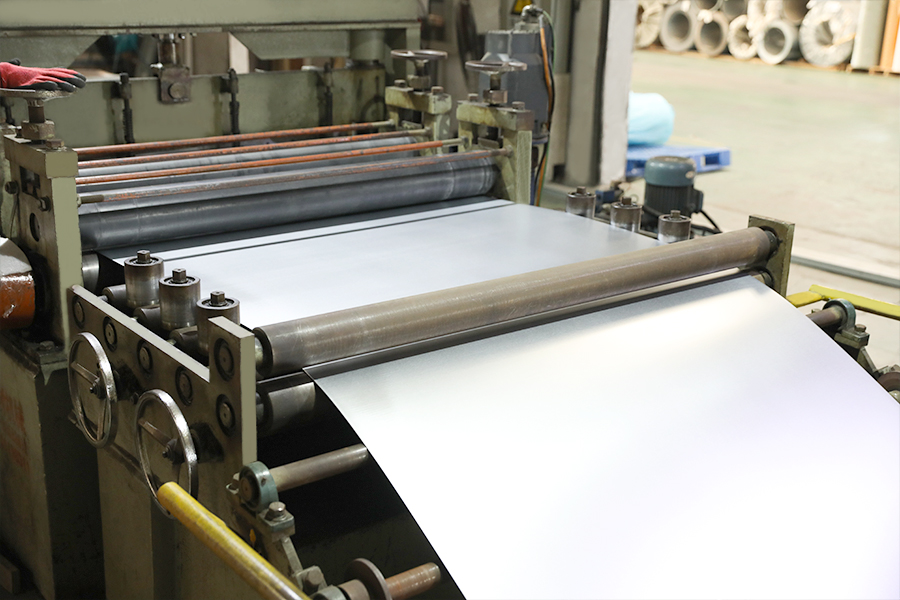
The production of PVC decorative film begins with calendering — a process where PVC resin is mixed with plasticizers, stabilizers, and pigments, then passed through a series of heated rollers to produce a continuous flat sheet. The thickness of the base film typically ranges from 0.10 mm to 0.50 mm depending on its intended application. Thinner films are used for flat lamination onto MDF or particleboard, while thicker films are formulated for thermoforming, where heat and vacuum pressure are used to wrap the film around three-dimensional profiles like cabinet door edges and decorative moldings.
Once the base film is formed, a surface design is applied through rotogravure printing, which uses engraved cylinders to deposit ink in precise patterns. Wood grain, stone, marble, fabric textures, and solid colors are all achievable through this method. After printing, an embossing roller presses a physical texture into the surface to align the visual pattern with a tactile one — for example, a wood grain print is embossed with a matching wood pore structure. A top coat of lacquer or polyurethane is then applied to protect the surface from abrasion, UV exposure, and cleaning chemicals.
Main Types of PVC Decorative Film
Not all PVC decorative film is the same. Products differ significantly by construction, intended substrate, and performance rating. Choosing the right category from the start prevents application problems and premature failure.
Flat Lamination Film
Flat lamination film is the most common type and is used in high-speed industrial press processes to bond PVC film to flat board substrates like MDF, plywood, and particleboard. It has a pressure-sensitive or heat-activated adhesive backing and is applied using roller lamination equipment. This type of film is found on the surfaces of flat-pack furniture, shelving, kitchen cabinet carcasses, and office desks. Its flat application means the edges of the board are typically finished separately with edge banding.
Thermoforming Film (Vacuum Membrane Film)
Thermoforming film is specifically engineered to stretch under heat without cracking or losing its printed pattern. It is used in membrane pressing machines where the film is heated to around 140–180°C and then vacuumed tightly over routed or profiled panels. This process wraps the film seamlessly around contours, edges, and carved details in a single operation. Kitchen cabinet doors with raised panel profiles, decorative furniture fronts, and architectural moldings are common applications. Thermoforming film is typically thicker — 0.30 to 0.50 mm — and contains higher plasticizer content to enable the necessary elongation.
Self-Adhesive Decorative Film
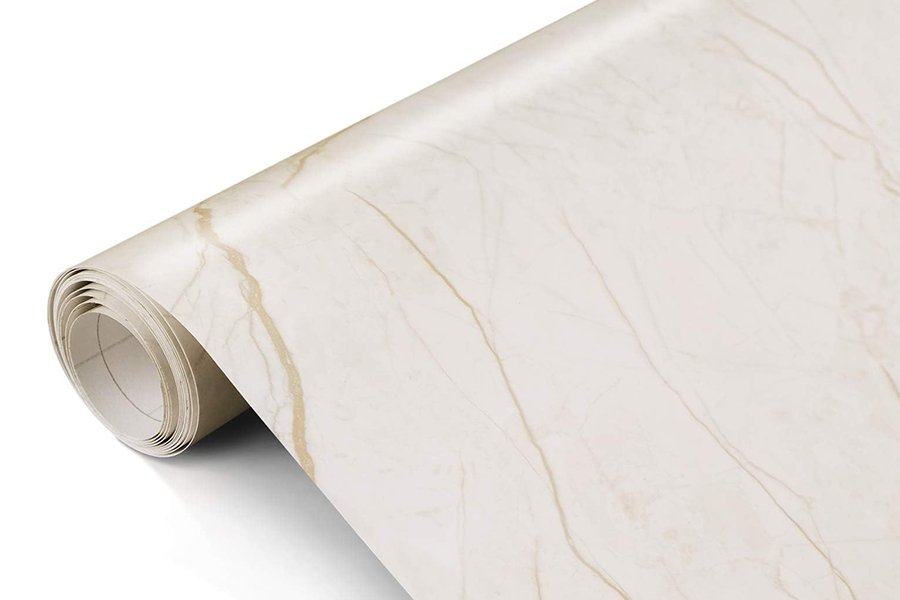
Self-adhesive PVC film is designed for direct application by hand to existing surfaces without additional adhesives or heat. It uses a release liner-backed pressure-sensitive adhesive and is commonly used for surface renovation of furniture, wall panels, doors, and countertops. Thickness is usually 0.10 to 0.20 mm. While not as durable as industrially laminated alternatives, good-quality self-adhesive film can last five years or more in interior conditions when applied correctly to clean, dry, and smooth surfaces.
Anti-Scratch and Functional Surface Films
Some PVC decorative films are formulated with enhanced surface properties for demanding environments. These include anti-scratch coatings for children's furniture and high-traffic surfaces, antibacterial coatings for medical and food service cabinetry, and fire-retardant variants that meet building regulation requirements for wall and ceiling applications in commercial interiors.
Performance Comparison by Film Type
| Film Type | Thickness Range | Application Method | Best For | Durability |
| Flat Lamination | 0.10–0.25 mm | Industrial roller press | Flat panels, furniture boards | High |
| Thermoforming | 0.30–0.50 mm | Vacuum membrane press | Profiled doors, 3D shapes | Very high |
| Self-Adhesive | 0.10–0.20 mm | Hand application | Renovation, DIY surfaces | Medium |
| Functional/Specialty | 0.20–0.45 mm | Industrial or hand | Commercial, regulated spaces | High to very high |
Key Applications in Furniture and Interior Design
PVC decorative film is used across an extraordinarily wide range of products and spaces, primarily because it allows manufacturers to achieve a premium appearance on low-cost substrate materials. In residential furniture manufacturing, it enables mass production of kitchen cabinets, wardrobes, TV units, and bed frames that replicate wood, stone, or lacquer finishes with consistent visual quality and significant cost savings over real veneers or paint finishes.
In commercial interiors, PVC film is specified for hotel furniture, retail display fixtures, and office partitions where surfaces must look good across large quantities while remaining resistant to daily handling. Hospitality projects frequently specify film-laminated MDF for headboards, wardrobe panels, and built-in cabinetry because the film surface resists moisture better than paint and can be wiped down with standard cleaning solutions without degrading the finish.
Architectural applications include wall cladding panels, door skins, skirting boards, and window profile wrapping. PVC film applied to uPVC window profiles is a well-established method for offering wood-effect window frames without the maintenance requirements of real timber. The film bonds to the profile during extrusion or is applied afterward using solvent-based adhesives designed specifically for PVC-to-PVC bonding.
What to Check Before Buying PVC Decorative Film
Sourcing the right film requires looking beyond the surface pattern. Several technical specifications directly affect how a film performs in the field and whether it meets the requirements of your specific application.
- Formaldehyde content: Quality PVC decorative film should comply with E1 or E0 emission standards. Films that don't meet these thresholds can off-gas into interior spaces and create compliance issues in residential and educational buildings.
- Surface hardness and abrasion resistance: Measured using the Taber abrasion test or pencil hardness scale. Films for kitchen and bathroom cabinetry should achieve at minimum 1H pencil hardness and a Taber abrasion rating that ensures the surface survives several thousand cycles without visible wear.
- UV stability: Indoor films don't require the same UV resistance as outdoor-rated products, but any film used near windows or in rooms with strong natural light should have UV-stable inks and a top coat rated for at least 1,000 hours under accelerated weathering tests.
- Elongation at break (for thermoforming film): This specification indicates how far the film can stretch before tearing. For membrane pressing applications with deep profiles, elongation at break of 180% or higher is generally required to avoid cracking at routed edges.
- Adhesive type and open time: For self-adhesive films, the adhesive chemistry determines repositionability and long-term bond strength. Solvent-acrylic adhesives offer the strongest permanent bond, while water-based adhesives are easier to remove for renovation purposes.
Common Issues and How to Avoid Them
Delamination at Edges
Edge lifting is the most frequently reported failure in PVC film applications, and it almost always results from inadequate surface preparation or mismatched adhesive chemistry rather than a defect in the film itself. Substrates must be clean, dry, and free of dust, oil, or release agents before film is applied. In humid environments like kitchens and bathrooms, edge sealing with a compatible lacquer or silicone after lamination significantly extends the bond life at exposed edges.
Cracking During Thermoforming
Cracking at profile edges during vacuum pressing typically indicates that the film was not heated to a sufficient or uniform temperature before forming, or that the film's elongation rating is too low for the depth of the profile being wrapped. Preheating the film to the manufacturer's specified temperature range and using a membrane press with even vacuum distribution across the full panel surface resolves most cracking problems.
Surface Discoloration Over Time
Yellowing or fading of a PVC film surface is caused by either UV degradation of the inks or thermal degradation from prolonged exposure to heat sources. Specifying films with UV-stabilized inks and keeping film-laminated surfaces away from direct heat sources like radiators and stove hobs prevents most discoloration. Using cleaning products that contain acetone or strong solvents will also strip the protective top coat and accelerate surface breakdown — neutral pH cleaners are always the correct choice for maintaining film surfaces.
PVC Decorative Film vs. Alternative Surface Materials
PVC film competes with several other surface finishing materials including melamine paper, real wood veneer, high-pressure laminate (HPL), and paint. Each has a distinct performance and cost profile. Melamine paper is cheaper than PVC film but far less flexible, making it unsuitable for profiled surfaces and prone to chipping at edges. Real wood veneer offers an authentic appearance that no printed film can fully replicate, but it requires more controlled production conditions and costs substantially more per square meter. HPL delivers exceptional scratch and impact resistance but cannot wrap around three-dimensional profiles without custom fabrication.
PVC decorative film occupies a strong middle position: it is flexible enough for complex shapes, durable enough for most interior applications, available in an enormous range of patterns, and cost-effective at scale. For manufacturers producing mid-market furniture in volume, and for renovation projects where replacing entire panels is impractical, PVC decorative film remains the most practical choice available today.