 English
 中文简体
中文简体
 русский

Content
What Is PVC Decorative Film and Where Is It Used?
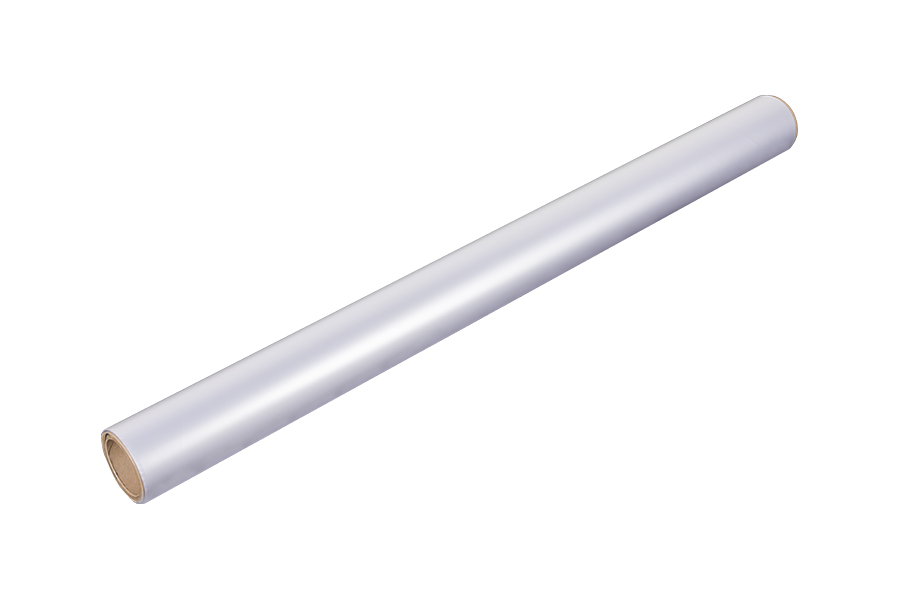
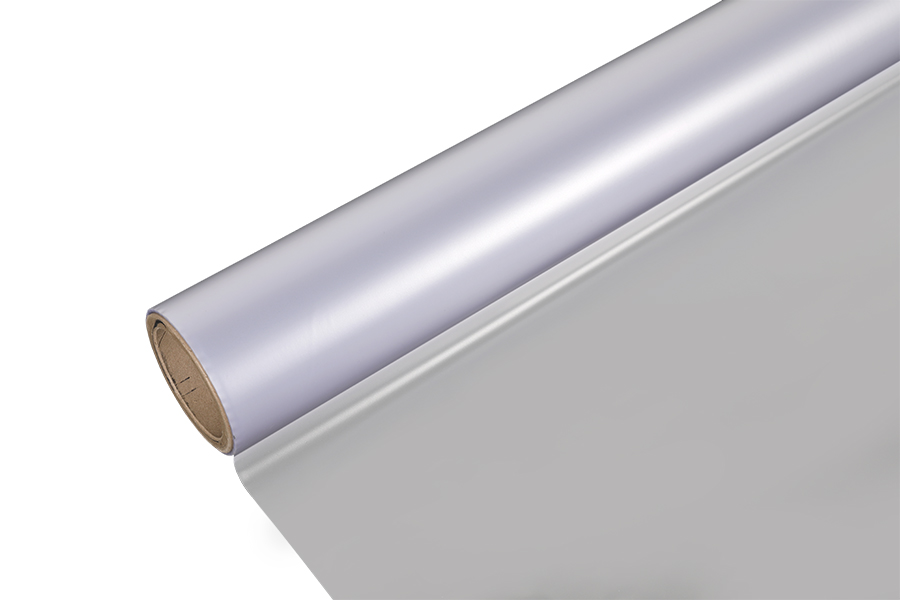
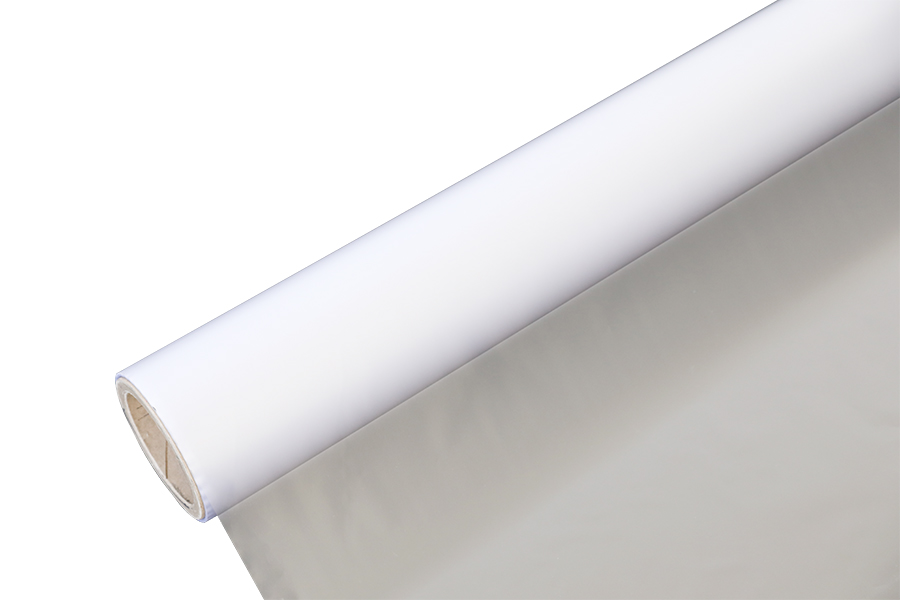
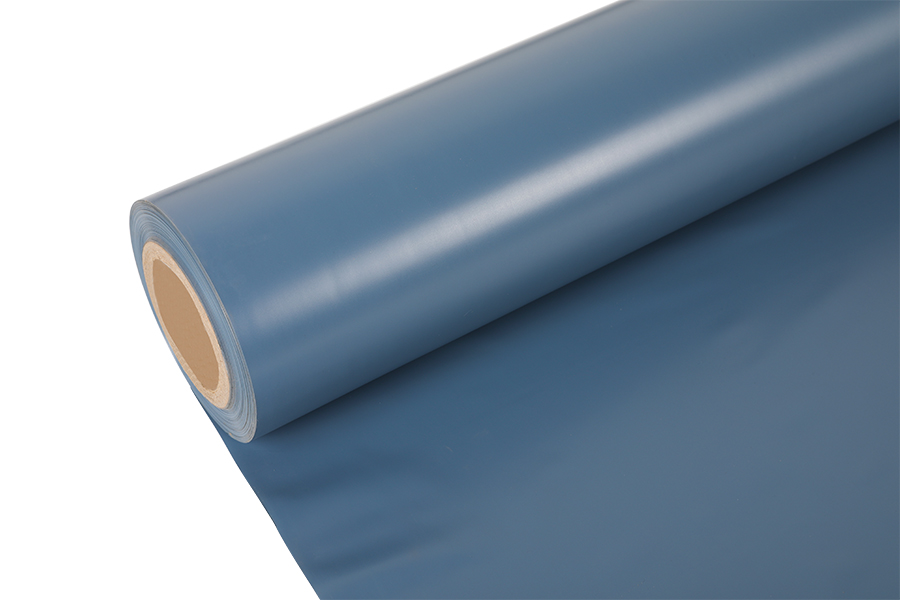
PVC decorative film is a flexible, multi-layer polyvinyl chloride sheet used to cover and transform the appearance of flat or curved surfaces. It is manufactured by calendering or casting PVC resin into thin sheets, then printing, embossing, or laminating those sheets to achieve a wide range of visual effects — from wood grain and marble to solid colors, metallic finishes, and abstract patterns. The result is a cost-effective surfacing material that can closely replicate the look and texture of natural materials without the weight, cost, or maintenance demands of the real thing.
The applications for PVC decorative film span residential interiors, commercial fit-outs, and industrial product finishing. In the furniture industry, it is laminated onto MDF, particleboard, and plywood panels to produce cabinets, wardrobes, shelving units, and tabletops. In architecture, it wraps door skins, window profiles, and wall panels. Retail environments use it to resurface display fixtures and counters quickly between rebrands. Even the automotive and electronics industries use specialized grades of PVC film for interior trim panels and device casings. The versatility of this material comes from its ability to bond to almost any rigid or semi-rigid substrate while remaining flexible enough to conform to gentle curves and routed edges.
How PVC Decorative Film Is Constructed
Understanding the layer structure of PVC decorative film helps explain its performance characteristics and why different grades behave so differently in real-world use. A standard decorative film consists of three to five functional layers, each serving a distinct purpose.
The base layer, also called the substrate or backing, is a calendered PVC sheet typically between 0.08 mm and 0.5 mm thick. This layer determines the film's overall rigidity, flexibility, and tensile strength. Above the base sits the print layer, where decorative patterns are applied using rotogravure or digital printing technology. Rotogravure printing uses engraved cylinders to transfer ink with exceptional precision and consistency, which is why high-volume, high-quality wood grain films are almost always produced this way. On top of the print layer, an embossing process may be applied to create a three-dimensional surface texture that matches the visual pattern — for example, the pores of an oak grain or the veining of a marble design.
The outermost layer is a protective topcoat, usually made from acrylic, polyurethane, or a UV-cured lacquer. This coating determines the film's surface hardness, scratch resistance, sheen level, and chemical resistance. Finally, many films include a pressure-sensitive adhesive layer on the reverse side, protected by a release liner, allowing for straightforward dry application without additional glue.
Main Types of PVC Decorative Film by Finish and Function
PVC decorative films are broadly categorized by their surface finish and their intended application method. Knowing which type suits your project prevents costly mismatches between the film and its end-use environment.
Gloss and Matte Films
Gloss films feature a reflective topcoat that amplifies color depth and creates a high-end appearance on kitchen cabinet fronts, bathroom furniture, and retail fixtures. They are popular in contemporary and minimalist interiors. However, gloss surfaces show fingerprints, fine scratches, and surface contamination more readily than matte alternatives. Matte and soft-touch films have become increasingly popular in recent years precisely because they resist these visual blemishes, offering a velvety, premium feel that is forgiving in high-traffic environments.
Wood Grain and Stone Pattern Films
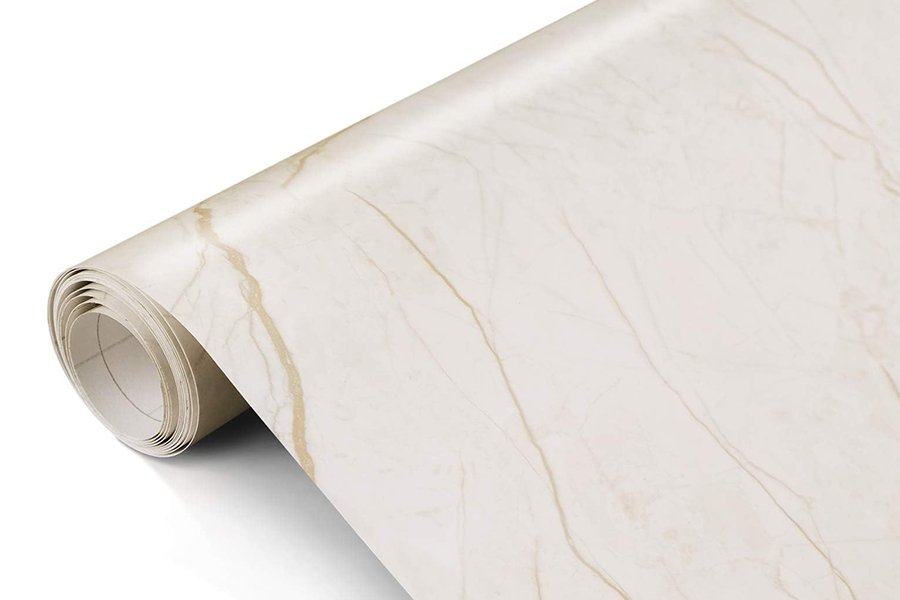
Wood grain PVC films are the dominant product category in the furniture lamination market. The best versions combine a photographically accurate print with a synchronized emboss — meaning the surface texture physically aligns with the printed grain lines — creating a convincing tactile and visual representation of species like oak, walnut, teak, and wenge. Stone and marble pattern films replicate the random veining of natural stone, making them popular for countertop wraps, wall cladding, and decorative panels in spaces where real stone installation is impractical or too expensive.
Self-Adhesive vs. Thermal Lamination Films
Self-adhesive PVC decorative films have a pre-applied pressure-sensitive adhesive on the back and are used for renovation, wrapping, and short-to-medium-term surface upgrades. They are the product category most familiar to consumers and small contractors. Thermal lamination films, by contrast, use heat and pressure to bond to a substrate and are applied industrially using membrane presses or profile wrapping machines. Thermal films create a more permanent, higher-strength bond and are the standard in furniture manufacturing facilities.
Key Performance Properties to Compare Before Buying
Not all PVC decorative films perform equally in demanding conditions. The table below outlines the most important technical properties to evaluate when comparing products for a specific application:
| Property | Why It Matters | What to Look For |
| Thickness | Affects durability and edge-forming ability | 0.15–0.5 mm for furniture; thinner for flat wraps |
| Abrasion Resistance | Determines lifespan on high-contact surfaces | Taber abrasion test rating; 500+ cycles preferred |
| UV Stability | Prevents color fading near windows | UV-stabilized topcoat; ask for xenon arc test data |
| Chemical Resistance | Critical in kitchens, labs, and healthcare settings | Resistance to common cleaners, alcohol, and grease |
| Elongation at Break | Governs ability to wrap curved edges without cracking | Minimum 80% elongation for profile wrapping |
| Fire Rating | Required for commercial and public-space installations | Class B or Class 1 fire rating certification |
How to Apply PVC Decorative Film Correctly
Application quality determines whether PVC decorative film looks professional or amateurish. Even a high-quality film will bubble, peel, or show wrinkles if applied to an improperly prepared surface. The substrate must be clean, dry, smooth, and free from dust, grease, and existing loose coatings. Any surface irregularity deeper than 0.1 mm will telegraph through a thin film and become visible after application. For MDF or particleboard panels, lightly sanding the surface with 180-grit paper and removing all sanding dust with a tack cloth is an essential first step.
For self-adhesive films, the most reliable technique for large flat panels is the wet application method: misting the substrate with a diluted soap-and-water solution before laying the film allows you to reposition it before the adhesive fully activates. Once positioned, use a hard rubber squeegee to push the film outward from the center toward the edges in firm, overlapping strokes, expelling all air and moisture as you go. After squeegeeing, use a heat gun on a low setting to activate the adhesive fully and help the film conform to any minor surface contours.
For thermal lamination in a membrane press, the substrate is preheated, the film is laid on top with the adhesive side down, and the press applies heat — typically between 60°C and 90°C — and vacuum pressure simultaneously. The film stretches and conforms to the substrate's surface profile, including routed grooves and shaped edges, creating a seamless wrapped appearance. Dwell time in the press, temperature calibration, and correct film tension before pressing are the three variables most responsible for bond quality and edge definition.
Environmental and Safety Considerations
PVC decorative film has faced scrutiny over its environmental profile because polyvinyl chloride is derived from fossil fuels and can release hydrogen chloride gas when incinerated. However, responsible manufacturers have made meaningful advances in reducing the environmental impact of their products. Low-plasticizer and phthalate-free formulations are now standard among reputable European and Asian producers, addressing indoor air quality concerns that were associated with older-generation films. Many products in the market now comply with REACH regulations and carry certifications such as GREENGUARD Gold, confirming that their volatile organic compound (VOC) emissions are within safe limits for use in schools and healthcare environments.
When selecting PVC decorative film for a project with environmental commitments, look for the following markers on product datasheets:
- Phthalate-free plasticizers, confirmed by third-party test reports rather than self-declaration alone.
- Heavy metal-free pigments — specifically the absence of lead, cadmium, and chromium in the ink and coating system.
- GREENGUARD, REACH, or RoHS compliance documentation, especially important for residential and children's furniture applications.
- Recyclability information — some manufacturers now offer take-back programs or produce films compatible with PVC recycling streams.
Balancing aesthetics, performance, and environmental responsibility is entirely achievable with PVC decorative film when you research the supplier thoroughly and demand documented certification rather than relying on marketing claims. Given its broad range of finishes, strong adhesion properties, and proven durability in furniture and architectural applications, PVC decorative film remains one of the most practical and cost-efficient surface solutions available for both residential renovations and high-volume manufacturing environments.