 English
 中文简体
中文简体
 русский

Content
Understanding Calendered PVC Film
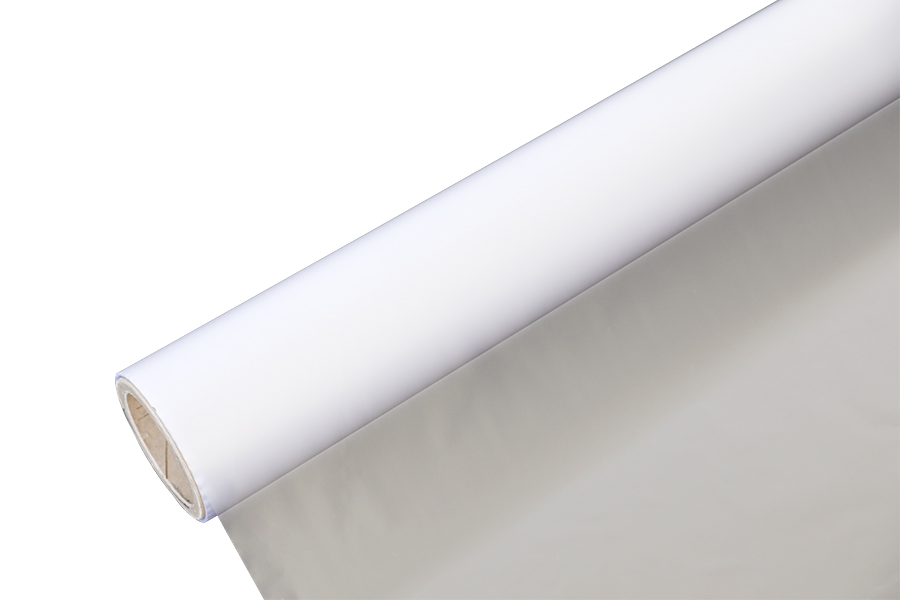
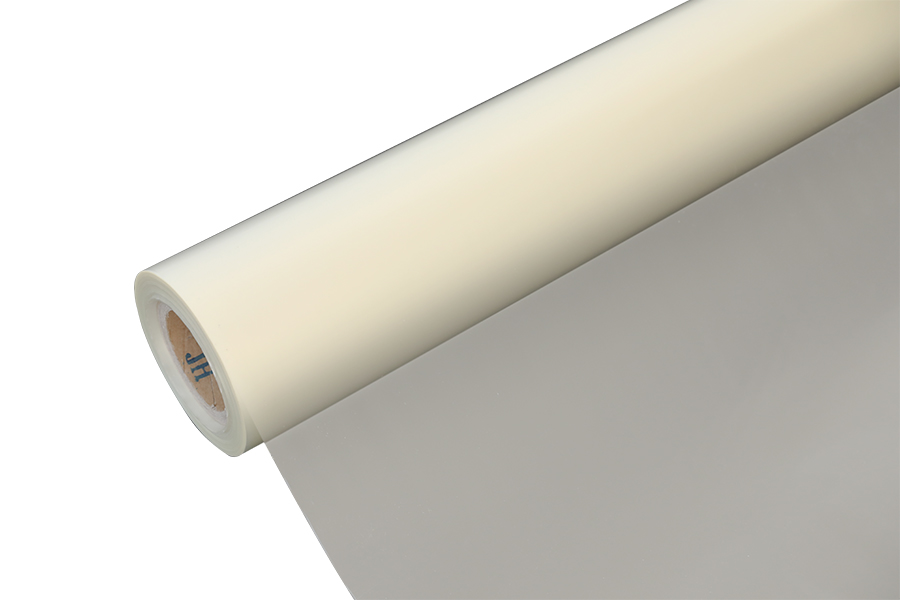
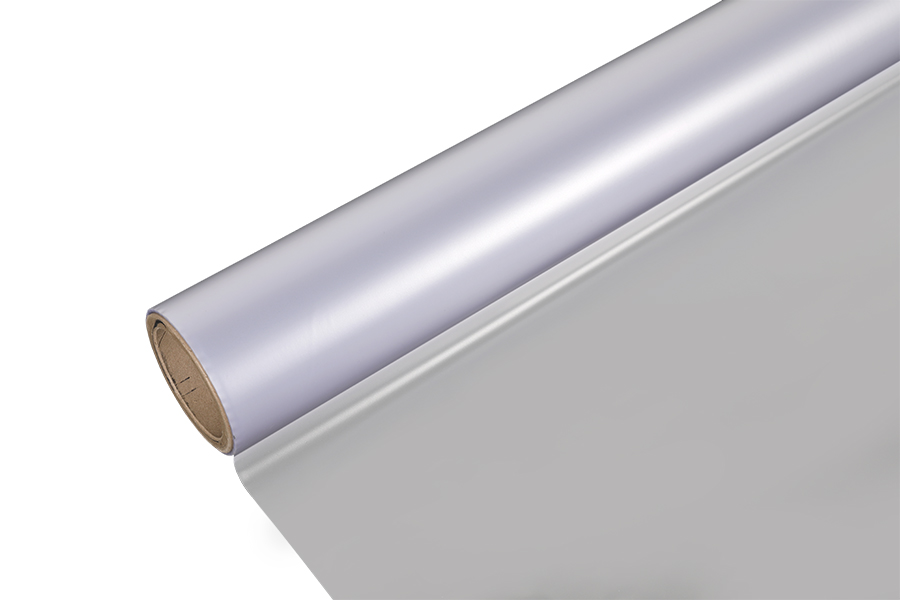
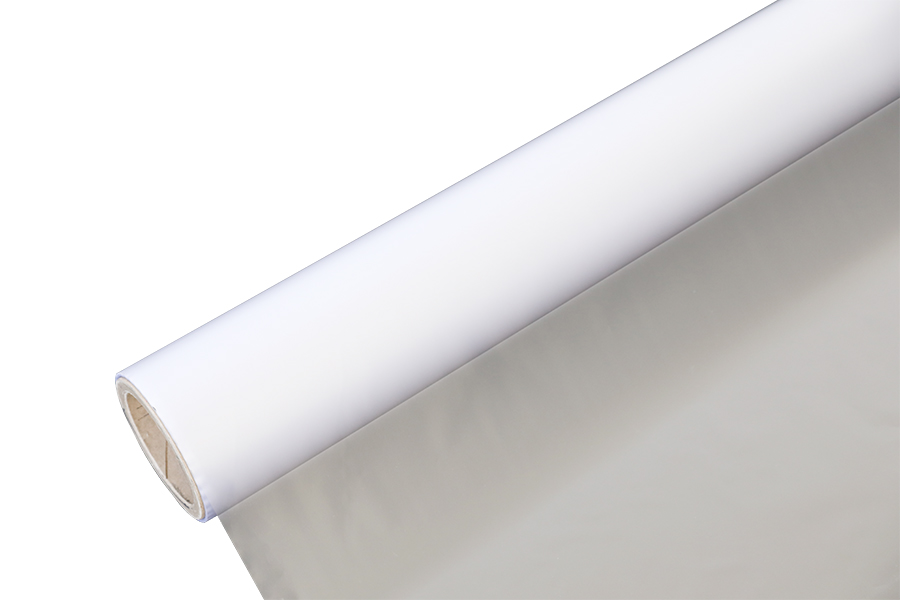
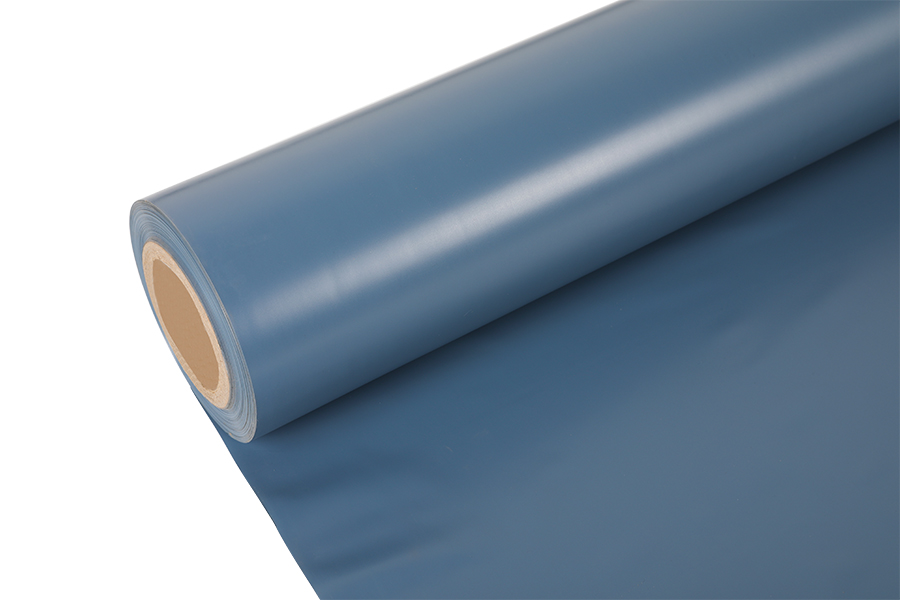
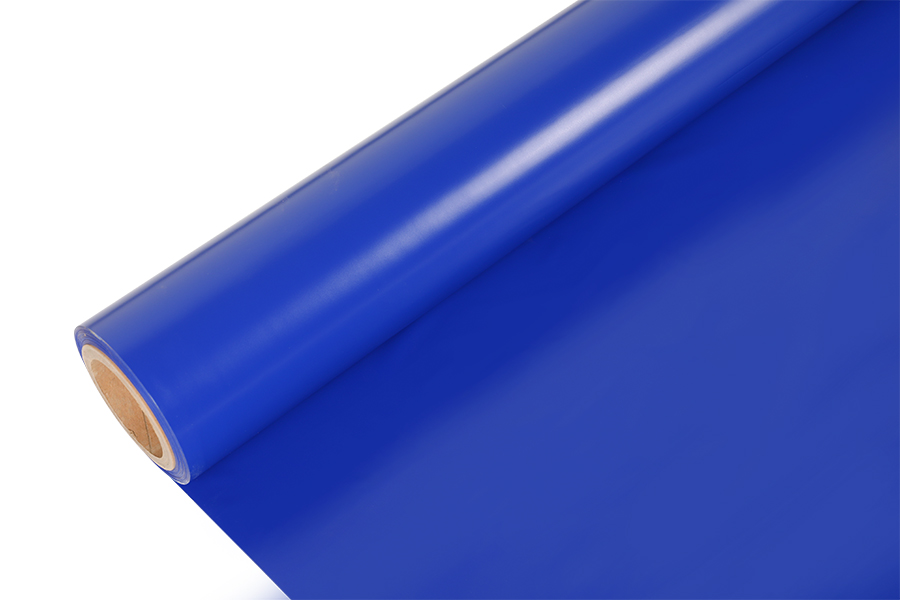
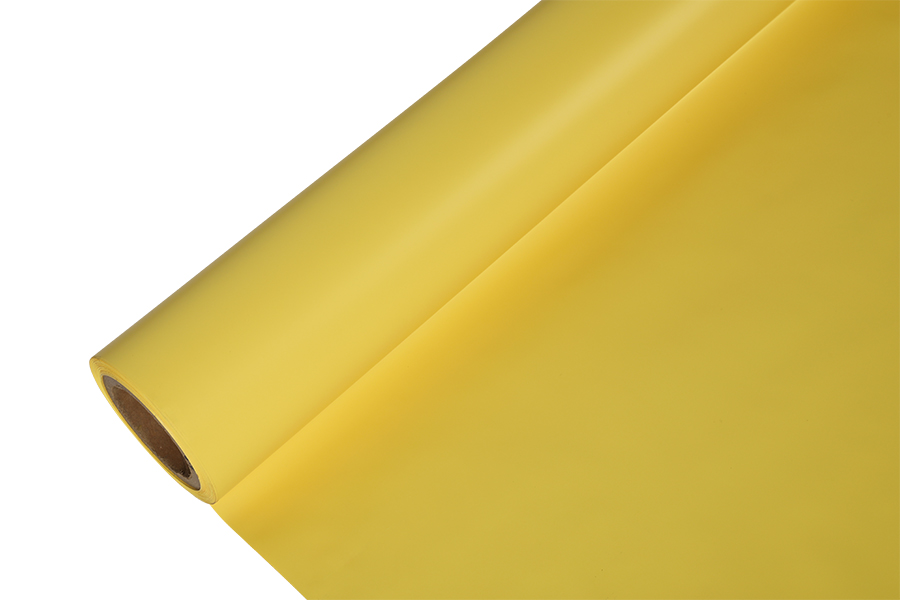
Calendered PVC film is a type of polyvinyl chloride sheeting produced by passing heated PVC compound through a series of large, heavy rollers called calenders. This process flattens and stretches the material into a thin, continuous film with a consistent thickness and surface texture. Because of its manufacturing method, calendered PVC film tends to be thicker, stiffer, and more affordable than cast PVC film, making it a popular choice for short to medium term applications where cost efficiency matters as much as performance.
The material is widely used across the printing, signage, and graphics industries because it accepts ink well, holds color vibrancy, and can be cut into precise shapes using plotters or laser cutters. While it is not as flexible as cast film, calendered PVC film still offers enough conformability for flat or slightly curved surfaces, which is why it remains a staple in commercial and promotional graphics production.
How Calendered PVC Film Is Manufactured
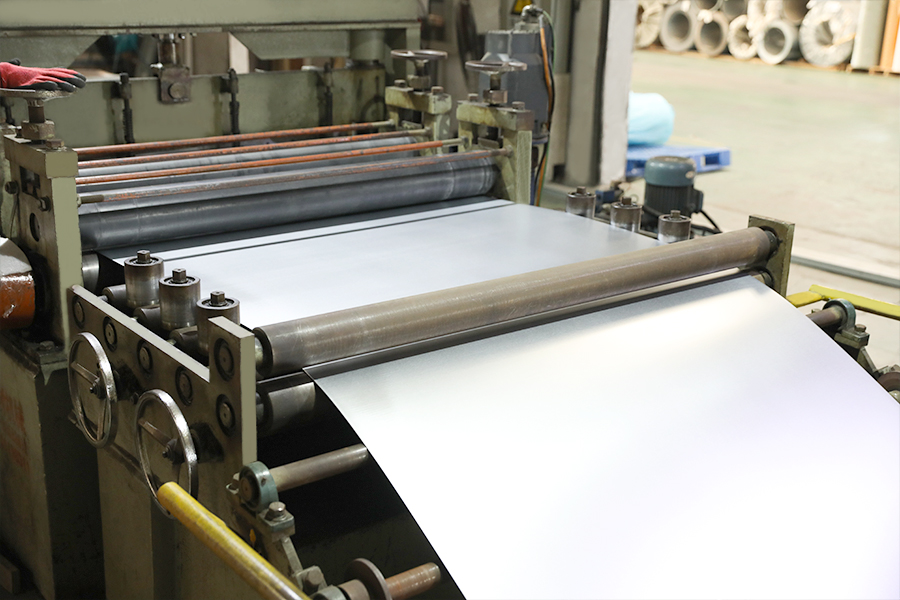
The calendering process begins with raw PVC resin, plasticizers, stabilizers, and pigments being mixed into a heated compound. This compound is then fed through a series of rollers under controlled temperature and pressure. Each roller progressively reduces the thickness of the film while aligning its internal molecular structure in one direction. This directional alignment is what gives calendered film its characteristic memory, meaning the material tends to want to return to its original flat shape, especially after being stretched.
After the film passes through the final roller, it is cooled, trimmed to width, and wound onto large rolls. Depending on the intended use, an adhesive layer and release liner may be applied afterward, along with a printed or colored top layer. The entire process is faster and less expensive than the casting method used for premium films, which is one of the main reasons calendered PVC film is positioned as a budget friendly alternative.
Calendered vs Cast PVC Film: Key Differences
Choosing between calendered and cast PVC film often comes down to balancing budget against performance requirements. The table below summarizes the most important distinctions buyers should consider before placing an order.
| Feature | Calendered PVC Film | Cast PVC Film |
| Thickness | Typically 80-150 microns | Typically 50-100 microns |
| Conformability | Moderate, best for flat surfaces | High, fits curves and rivets |
| Expected Lifespan | 2-5 years outdoor use | 5-10 years outdoor use |
| Cost | Lower | Higher |
| Shrinkage Tendency | Higher, due to film memory | Lower, more dimensionally stable |
For projects involving flat signs, indoor displays, short term promotions, or budget conscious vehicle decals, calendered film generally delivers acceptable results. Projects requiring long term outdoor durability or application over complex curves usually benefit more from cast film despite the higher price.
Common Applications of Calendered PVC Film
Because calendered PVC film is versatile and economical, it appears across many industries. Some of the most frequent uses include the following.
- Storefront window graphics and promotional signage that are replaced seasonally
- Flat panel vehicle decals, fleet lettering, and temporary advertising wraps
- Floor graphics for retail stores, trade shows, and event branding
- Wall decals and interior decoration films for offices and homes
- Packaging labels and point of sale display materials
- Craft and sign making materials used with desktop cutting machines
In each of these cases, the relatively low cost of calendered film allows businesses to refresh their visual branding more frequently without a major financial commitment, which is especially valuable for seasonal campaigns or rapidly changing promotions.
How to Choose the Right Calendered PVC Film
Consider the Surface and Environment
Flat, rigid surfaces such as metal panels, glass, or smooth plastic are ideal for calendered film. If the application involves rivets, deep curves, or corrugated panels, the film may struggle to conform properly and could lift at the edges over time. Indoor applications generally allow for a wider tolerance in film selection since exposure to UV light and temperature swings is minimal.
Check the Adhesive Type
Calendered PVC films are typically available with either permanent or removable adhesive backing. Permanent adhesive is suited for long term installations, while removable adhesive is better for temporary signage that needs to be taken down without damaging the substrate. Some manufacturers also offer air-egress adhesive channels that make installation easier by allowing trapped air to escape during application.
Match the Finish to the Use Case
Glossy finishes tend to enhance color vibrancy and are popular for vehicle graphics and retail displays, while matte finishes reduce glare and are often chosen for window graphics or environments with strong overhead lighting. Reviewing sample swatches under realistic lighting conditions before committing to a large order can prevent costly mismatches.
Installation and Handling Tips
Proper installation significantly affects how long calendered PVC film performs as expected. The following practices help reduce common issues such as bubbling, lifting, or premature shrinkage.
- Clean the surface thoroughly with isopropyl alcohol before application to remove dust, grease, and residue
- Apply the film at room temperature, ideally between 60 and 80 degrees Fahrenheit, to ensure proper adhesive tack
- Use a squeegee to apply even pressure from the center outward, avoiding excessive stretching of the material
- Avoid installing on surfaces with deep curves unless the film is specifically rated for conformability
- Allow the adhesive to cure for the manufacturer recommended period before exposing the film to washing or extreme weather
Durability and Maintenance Expectations
Calendered PVC film is generally rated for two to five years of outdoor exposure, depending on the quality of the resin, UV inhibitors, and lamination used. Indoor applications can last considerably longer since they are shielded from sun exposure and temperature fluctuations. Regular cleaning with mild soap and water, rather than harsh solvents, helps preserve color and adhesion over the film's service life.
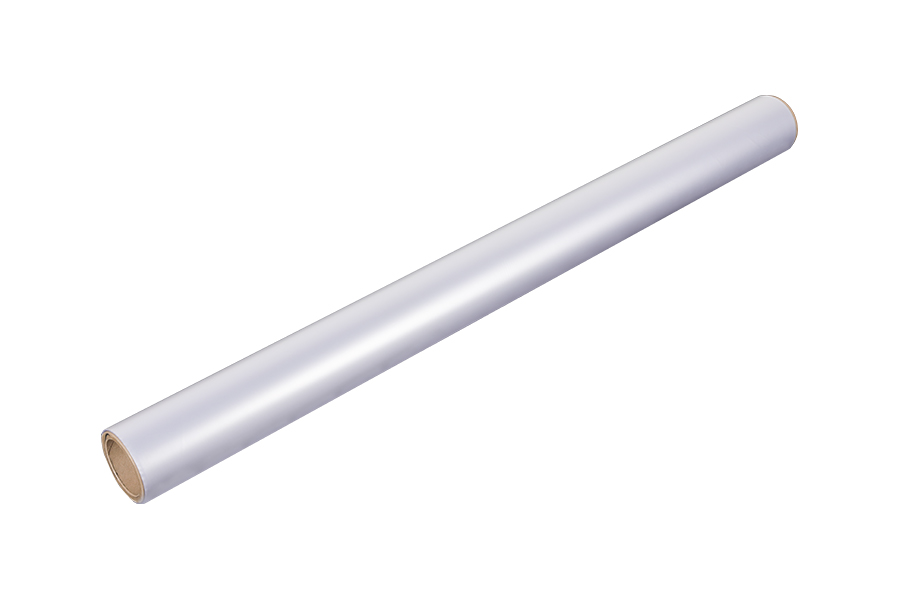
Because the material has a tendency to shrink slightly due to its manufacturing process, it is not unusual to see minor edge curling on older installations, particularly in hot climates. Choosing a film with a protective laminate layer can reduce this effect and add resistance to scratching, fading, and chemical exposure, extending the practical lifespan of the graphic.
Ultimately, calendered PVC film offers a practical balance of affordability and performance for projects that do not require the extended durability or conformability of cast film. By matching the film's thickness, adhesive, and finish to the specific surface and environment, businesses and individuals can achieve reliable results without overspending on premium materials that exceed their actual project needs.