 English
 中文简体
中文简体
 русский

Content
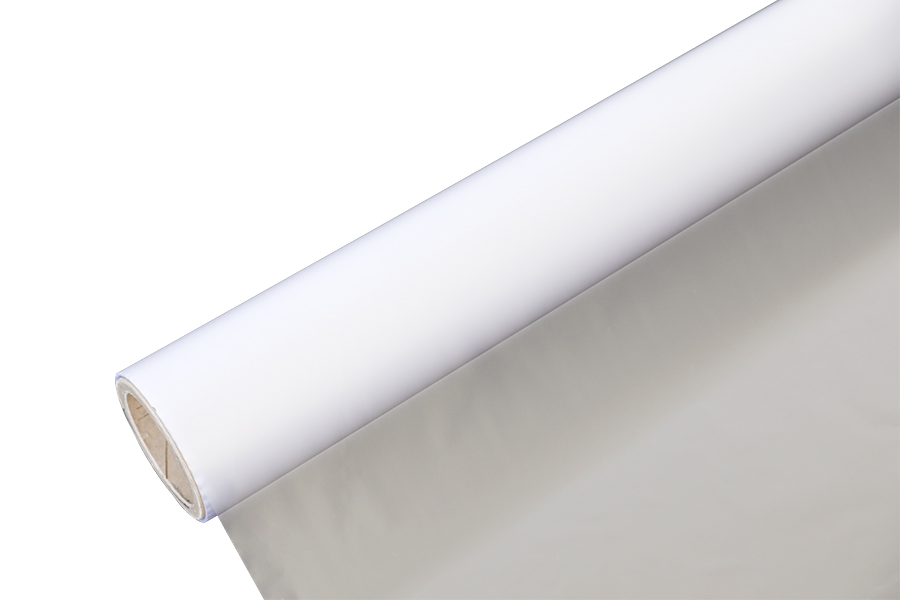
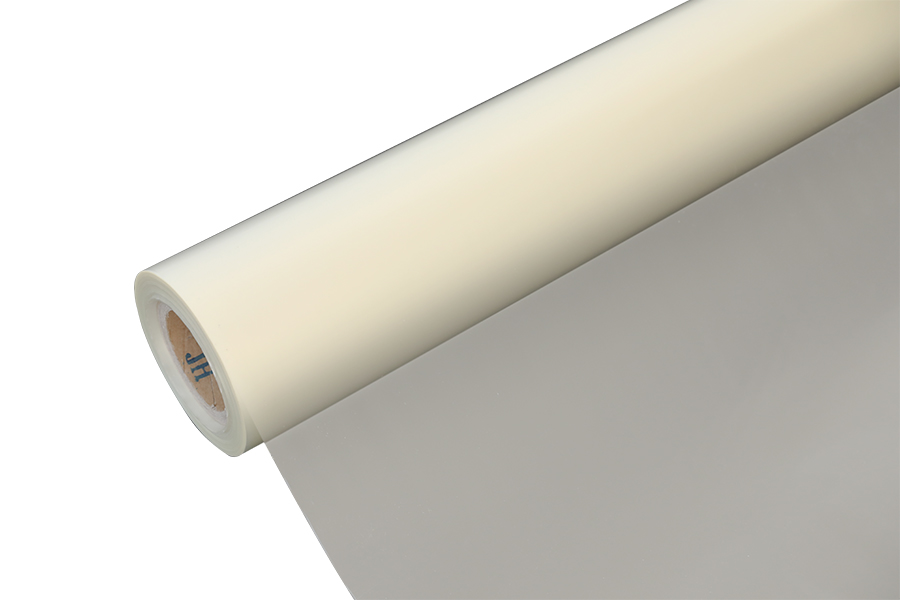
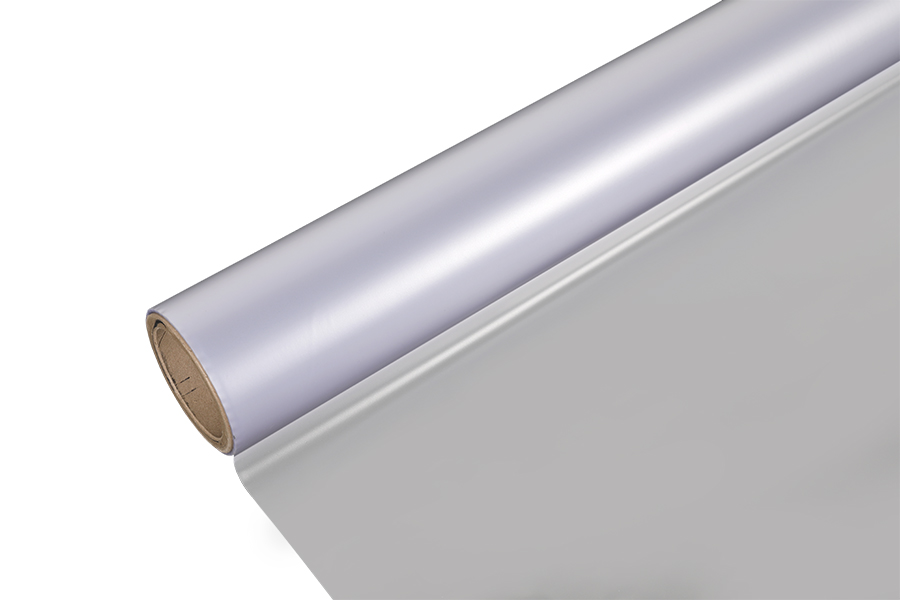
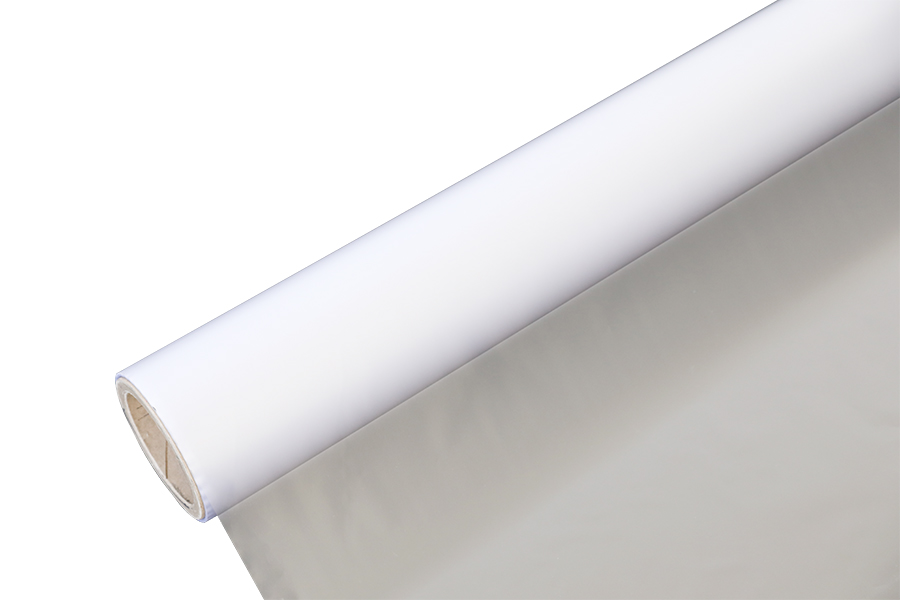
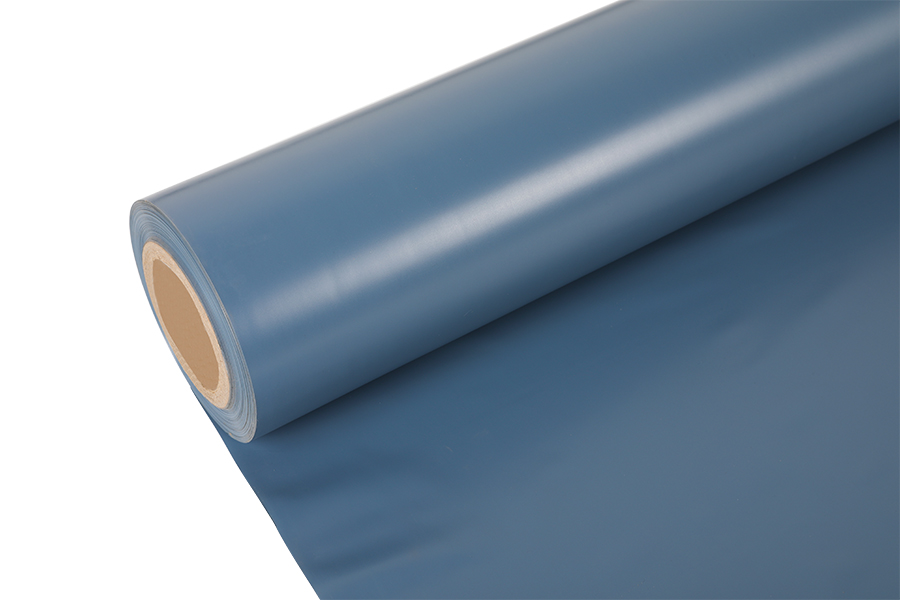
Calendered PVC film is one of the most widely used flexible plastic materials across industries ranging from signage and packaging to automotive interiors and medical devices. Despite its prevalence, many buyers and specifiers treat all PVC films as interchangeable — a mistake that leads to performance failures, adhesion problems, and premature material degradation. Understanding what calendered PVC film is, how it differs from cast PVC, and what properties to prioritize for each application is essential for making the right material selection and getting reliable results from every project.
How Calendered PVC Film Is Manufactured
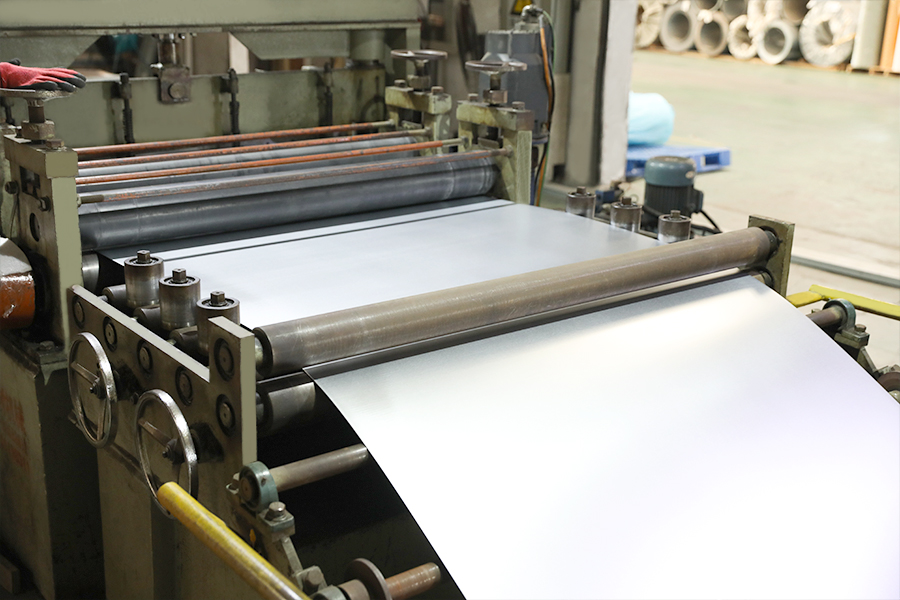
The calendering process is a high-volume, continuous manufacturing method that produces PVC film by passing a compounded PVC formulation through a series of heated, precision-ground steel rollers — known as a calender stack. The rollers are arranged in an inverted-L, Z, or S configuration depending on the film thickness and surface finish required. As the PVC compound passes through each successive nip point between rollers, it is progressively thinned and smoothed to the target gauge, which typically ranges from 0.05mm to 0.8mm for standard film applications.
The PVC compound fed into the calender begins as a dry blend of PVC resin, plasticizers, heat stabilizers, lubricants, pigments, and functional additives. The ratio of these components determines the film's final flexibility, color, transparency, and chemical resistance. After passing through the calender rollers, the film travels over a series of cooling drums to lock in its dimensions, then through an embossing station if a textured surface is required, before being wound into rolls at the take-off station. The entire process runs continuously at high speed, which is why calendered film is generally more cost-effective than cast film for large-volume applications.
Calendered PVC Film vs. Cast PVC Film: Key Differences
The distinction between calendered and cast PVC film is critical for application engineers and procurement teams. Both are made from PVC resin, but the manufacturing process creates fundamentally different material properties that determine where each type performs best.
| Property | Calendered PVC Film | Cast PVC Film |
| Manufacturing method | Roller compression of hot compound | Liquid coating onto a carrier web |
| Internal stress | Higher — molecular orientation from rolling | Very low — molecules settle freely |
| Dimensional stability | Moderate — some shrinkage over time | Excellent — highly stable |
| Conformability to curves | Good on flat or simple curves | Excellent — wraps complex 3D surfaces |
| Thickness uniformity | Very good across width | Excellent — tightest tolerances |
| Cost | Lower — suited for high-volume use | Higher — suited for precision applications |
| Typical outdoor durability | 3–7 years (grade dependent) | 5–12 years (grade dependent) |
In practical terms, calendered PVC film is the workhorse choice for applications like floor graphics, short-to-medium term signage, stationery covers, industrial curtains, and lamination films, where cost efficiency and adequate performance matter more than maximum conformability or multi-year outdoor durability.
Core Physical and Chemical Properties
The performance of calendered PVC film in any application depends on a set of physical and chemical properties that can be tailored during compounding. Understanding these properties allows buyers to specify the right grade rather than relying on generic descriptions.
Flexibility and Plasticizer Content
PVC in its unplasticized form (uPVC) is rigid and brittle — unsuitable for film applications. Plasticizers, most commonly phthalate esters, adipates, or newer non-phthalate alternatives such as DINCH or DOTP, are added in concentrations ranging from 20 to 60 parts per hundred resin (phr) to achieve the desired flexibility. Higher plasticizer content produces softer, more pliable film suited for curtains, upholstery, and packaging, while lower content yields stiffer film for document covers and industrial laminates. Plasticizer migration — the gradual movement of plasticizer molecules to the film surface — is a critical quality factor, particularly for films in contact with other materials, adhesives, or sensitive surfaces.
UV Stability and Weathering Resistance
Standard calendered PVC film without UV stabilizers degrades relatively quickly under sunlight exposure, yellowing and becoming brittle within months. UV stabilizers — typically UV absorbers and hindered amine light stabilizers (HALS) — are compounded into outdoor-grade formulations to extend service life. For outdoor signage and banner applications, UV-stabilized calendered PVC film with an overlaminate can be expected to perform reliably for three to five years in temperate climates and two to three years in high-UV environments such as tropical or desert regions.
Flame Retardancy
PVC has inherent flame-retardant properties due to its chlorine content, which interrupts combustion. This makes calendered PVC film a preferred material for wall coverings, electrical cable insulation jacketing, and automotive interior trim components where fire safety standards apply. For applications requiring compliance with specific fire ratings such as UL 94, DIN 4102, or EN 13501, buyers should request test certificates confirming compliance for the specific film grade and thickness.
Major Application Areas for Calendered PVC Film
Calendered PVC film serves an extraordinarily diverse range of industries and end uses. The following are the most significant application categories, each with distinct performance requirements that drive material specification choices.
Signage, Graphics, and Wrapping
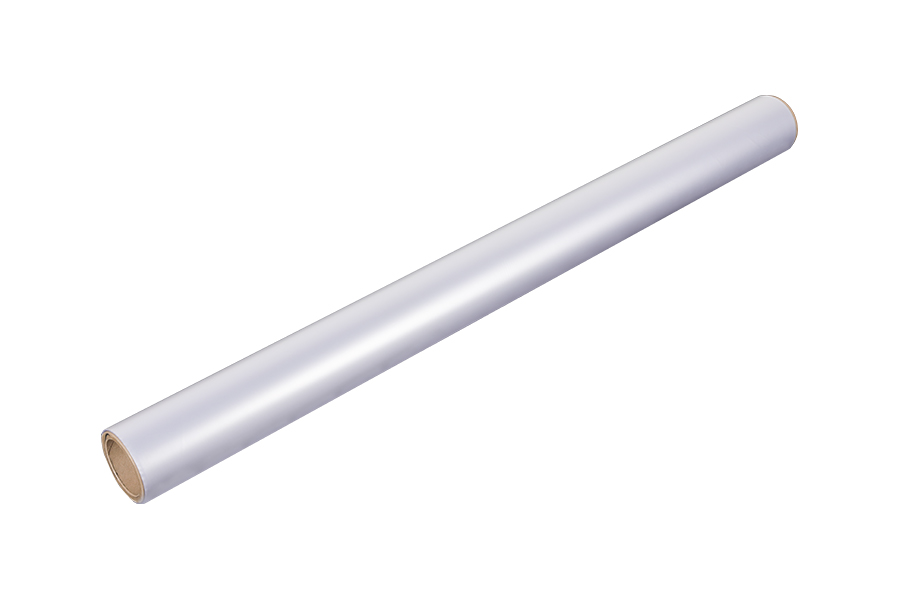
Self-adhesive calendered PVC film is the dominant material for flat-surface graphics, retail signage, floor decals, and short-term vehicle graphics. In this sector, film thickness typically ranges from 80 to 120 microns, with a pressure-sensitive adhesive laminated to the back and a silicone-coated release liner. Printability is a key requirement — the film surface must accept solvent-based, UV-curable, or latex inks without cracking, bleeding, or delaminating. Monomeric calendered films are the most common grade for flat indoor applications, while intermediate-grade films offer improved conformability for simple curves on vehicles and shop fronts.
Flooring and Surface Protection
Heavy-gauge calendered PVC film in the 0.3mm to 0.8mm range is widely used as the wear layer in luxury vinyl tile (LVT) and vinyl plank flooring, as protective overlaminates on furniture surfaces, and as anti-slip floor matting. In flooring applications, abrasion resistance, dimensional stability under heat, and low plasticizer migration to adhesives are the dominant performance criteria. Transparent grades with high clarity are preferred for wear layers where the printed decorative layer below must remain crisp and visible.
Industrial and Technical Applications
Calendered PVC film is extensively used for industrial curtain strips in cold storage facilities and warehouses, as flexible ducting and gasket material, for agricultural pond liners and geomembrane applications, and as the facing material in foam-PVC composite panels. These applications demand high tensile strength, tear resistance, chemical resistance to oils and cleaning agents, and in some cases food-contact compliance for agricultural and storage uses.
Medical and Healthcare Packaging
Medical-grade calendered PVC film — formulated without phthalate plasticizers and produced in clean-room or controlled manufacturing environments — is used extensively in blister packaging for pharmaceutical tablets and capsules, IV bag construction, and medical tubing. These grades must comply with pharmacopoeial standards such as USP Class VI or European Pharmacopoeia requirements, confirming biocompatibility and freedom from extractable contaminants.
What to Specify When Sourcing Calendered PVC Film
Sourcing calendered PVC film without a clear technical specification is one of the most common causes of application failures. Suppliers offer dozens of grades, and without specifying your requirements precisely, you may receive a film that meets the stated thickness but fails on every other performance dimension. Here are the key parameters to define in any purchasing specification:
- Thickness and tolerance: Specify the nominal gauge in microns and the acceptable tolerance, typically ±5% to ±10%. Inconsistent thickness causes uneven ink absorption in printing applications and variable mechanical performance in industrial uses.
- Plasticizer type and content: For food contact, medical, children's products, or REACH-compliant applications, specify non-phthalate plasticizers. For standard industrial use, di-isononyl phthalate (DINP) or dioctyl terephthalate (DOTP) are widely accepted grades.
- Tensile strength and elongation at break: These mechanical properties determine how the film handles in converting processes such as laminating, die-cutting, and thermoforming. Request test data to ASTM D882 or ISO 527-3 standards.
- Surface finish: Specify gloss level (measured in GU at 60°), matte, satin, or embossed texture, as surface finish affects both aesthetics and printability significantly.
- Roll dimensions: Define core diameter (typically 3-inch or 6-inch), maximum roll outer diameter, and roll width to ensure compatibility with your converting equipment.
- Regulatory compliance documentation: For food contact, medical, or construction applications, request copies of relevant compliance certificates — RoHS, REACH SVHC declaration, FDA 21 CFR, or CE marking as applicable to your market.
Storage and Handling to Preserve Film Quality
Calendered PVC film is sensitive to improper storage conditions, which can cause blocking (layers sticking together), surface contamination, dimensional changes, and adhesive performance degradation in pre-coated grades. Following correct storage and handling protocols protects your investment and ensures consistent processing quality.
- Store rolls vertically or on proper roll cradles — never stack horizontally under heavy weight, as this causes deformation and blocking between layers.
- Maintain storage temperature between 15°C and 25°C with relative humidity below 65%. Excessive heat accelerates plasticizer migration and can cause rolls to stick together irreversibly.
- Keep film away from direct sunlight and UV sources during storage, even for UV-stabilized grades, as prolonged pre-use UV exposure consumes stabilizer capacity before the film is even put into service.
- Allow film to acclimatize to the production environment temperature for at least 24 hours before processing, particularly in cold climates where film brought from unheated warehouses into warm production areas can develop condensation and dimensional instability.
- Use rolls within 12–18 months of manufacture for adhesive-coated grades, as pressure-sensitive adhesives age and both tack and peel strength can drift outside specification beyond this window.
Calendered PVC film remains one of the most technically versatile and commercially important flexible film materials available today. Its combination of processability, formulation flexibility, cost efficiency, and broad performance range makes it the material of choice across signage, construction, medical, industrial, and consumer product sectors. Selecting the right grade requires a clear understanding of your application's mechanical, chemical, regulatory, and aesthetic demands — but with the right specification in hand, calendered PVC film delivers consistent, reliable performance that is difficult to match with alternative materials at comparable cost.