 English
 中文简体
中文简体
 русский

Content
- 1 What Is PVC Decorative Film and Where Is It Used?
- 2 Main Types of PVC Decorative Film Available on the Market
- 3 Key Performance Properties to Evaluate
- 4 Popular Design Categories and Surface Aesthetics
- 5 How to Prepare Surfaces and Apply PVC Decorative Film Correctly
- 6 Comparing PVC Decorative Film Against Alternative Surface Finishes
- 7 Maintenance, Longevity, and When to Replace PVC Decorative Film
What Is PVC Decorative Film and Where Is It Used?
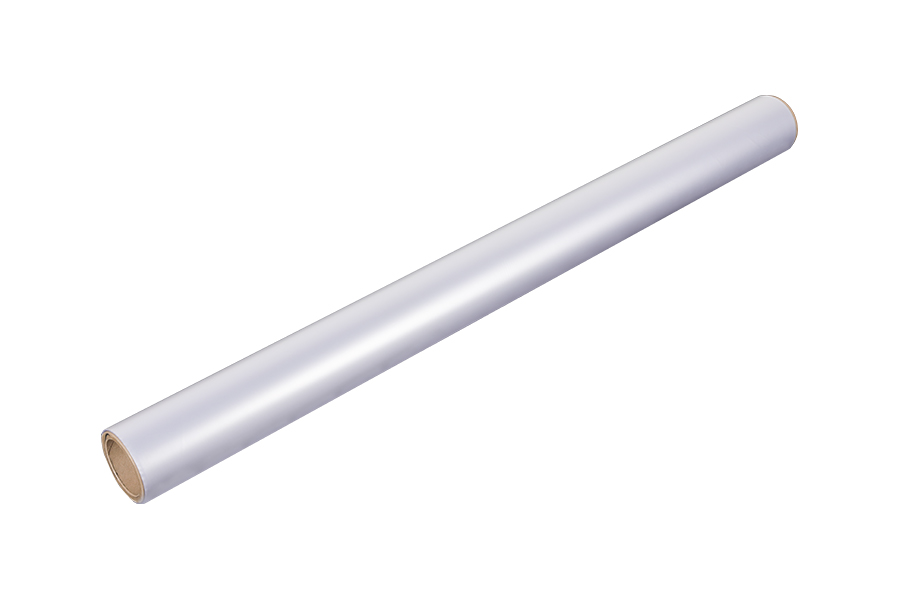
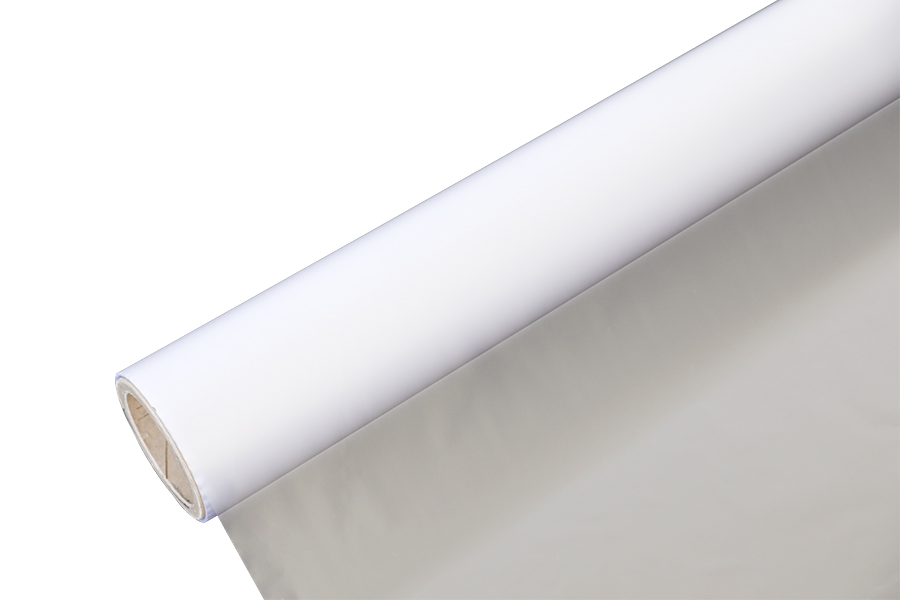
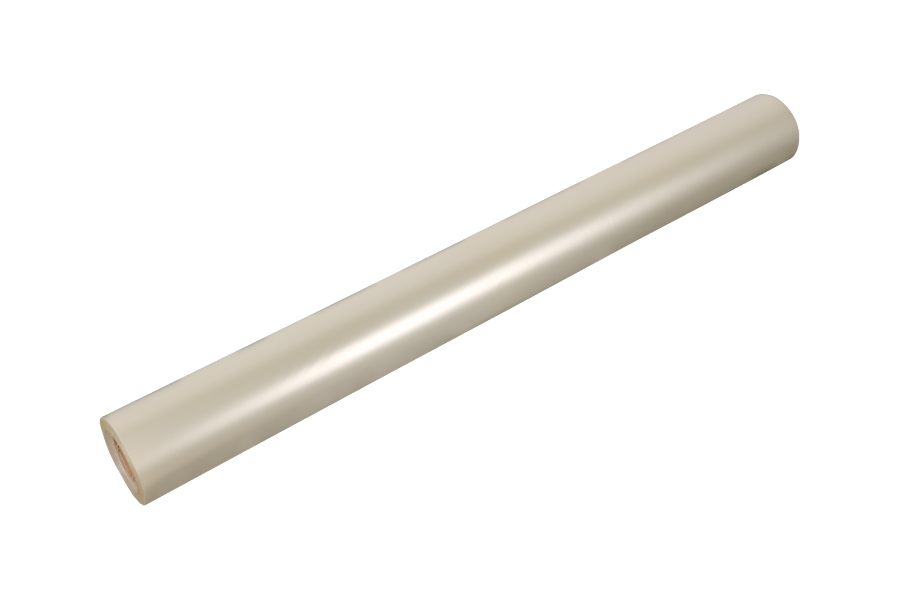
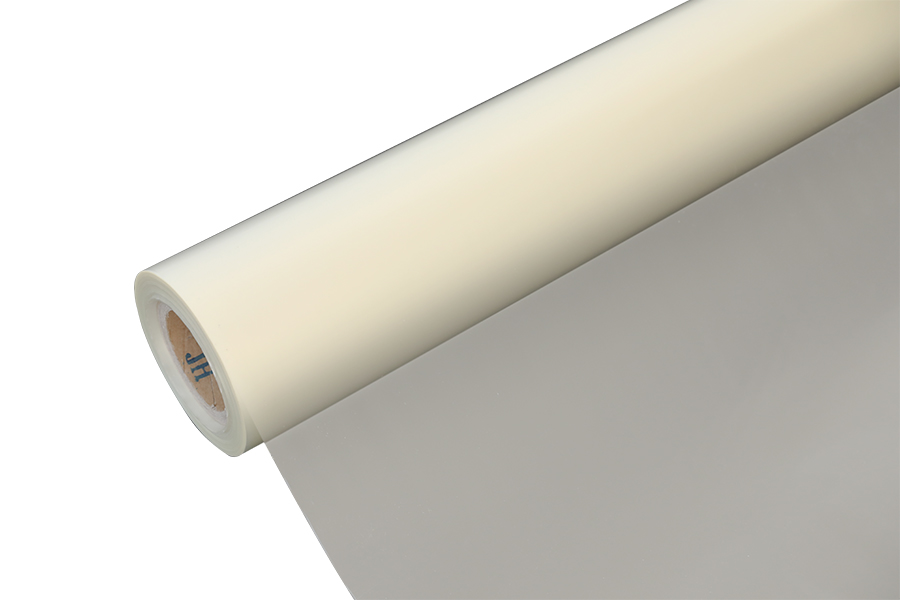
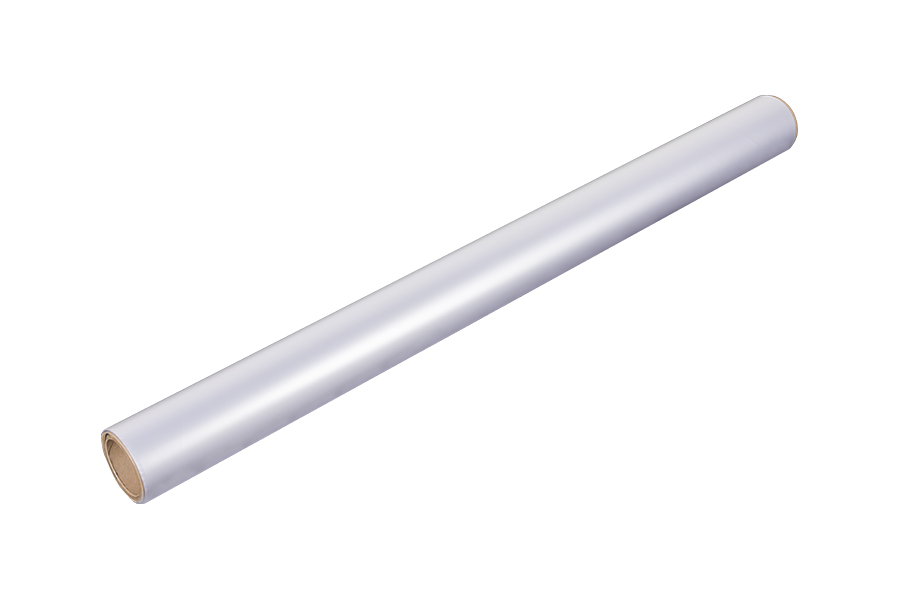
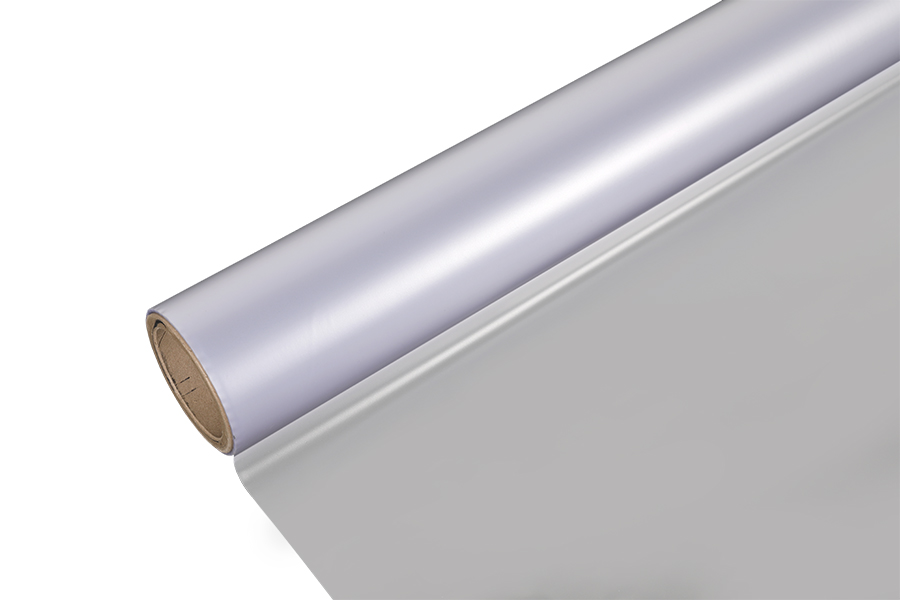
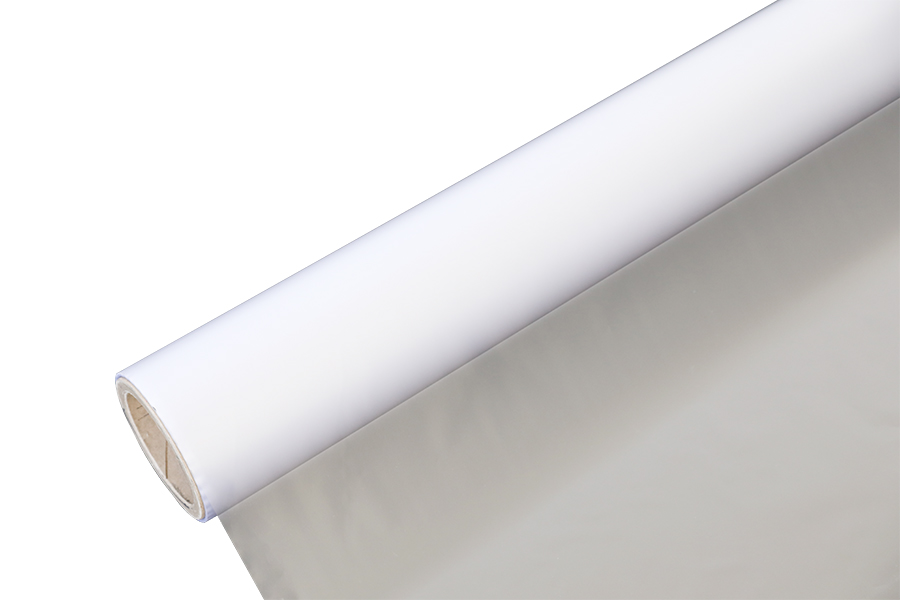
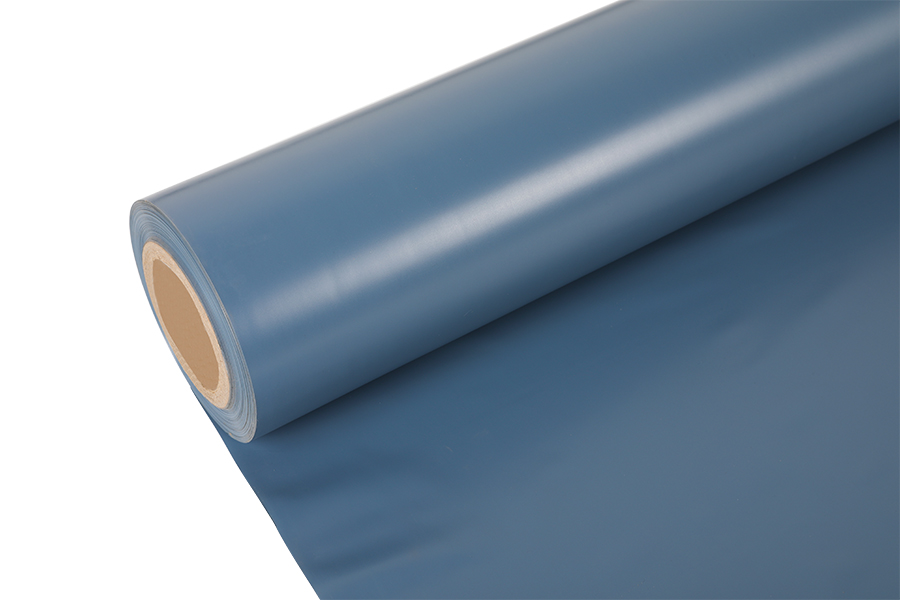
PVC decorative film is a thin, flexible sheet material made from polyvinyl chloride that is laminated or adhered to the surface of furniture, cabinetry, wall panels, doors, and architectural elements to provide a decorative finish. It serves as a cost-effective alternative to solid wood veneer, lacquer painting, or stone cladding, replicating the visual appearance of natural materials — including wood grain, marble, fabric texture, and solid colors — with significantly greater consistency, durability, and ease of application. The film is produced in rolls or sheets and can be applied to MDF, particleboard, plywood, aluminum profiles, PVC substrates, and even existing painted surfaces.
Its applications span residential interiors, commercial fit-outs, retail displays, hospitality environments, and light industrial uses. In home settings, PVC decorative film is most commonly used on kitchen cabinet doors, wardrobe panels, bathroom furniture, tabletops, skirting boards, and window frames. In commercial environments, it covers reception desks, display shelving, wall cladding panels, and partition systems. The versatility of this material makes it one of the most widely specified surface finishing products in the global furniture and interior decoration industry.
Main Types of PVC Decorative Film Available on the Market
Not all PVC decorative films are manufactured the same way or intended for the same applications. The type of film you select will determine how it is applied, how long it lasts, and how well it performs in its intended environment. The following are the primary categories used across the industry:
Self-Adhesive PVC Film
Self-adhesive PVC decorative film has a pressure-sensitive adhesive backing protected by a release liner. It is the most accessible type for DIY and light commercial use. Once the liner is peeled away, the film is pressed onto clean, smooth surfaces without any additional adhesive or equipment. Quality varies significantly across this category — entry-level self-adhesive films use water-based acrylic adhesives that may lift in humid environments, while premium versions use solvent-based or permanent acrylic adhesives that bond reliably to a much wider range of substrates, including curved or slightly textured surfaces.
Hot-Press Laminating PVC Film
Hot-press PVC film is applied to substrates — most commonly MDF and particleboard — using industrial membrane press machines under heat and vacuum pressure. This process creates an exceptionally strong, bubble-free bond and allows the film to wrap tightly around routed edges, grooves, and three-dimensional profiles. This is the preferred application method in furniture manufacturing, where flat-panel doors with decorative routing are wrapped in a single operation. The bond produced by membrane pressing is far more durable than self-adhesive application and is resistant to delamination under normal interior conditions.
Calendered vs. Cast PVC Film
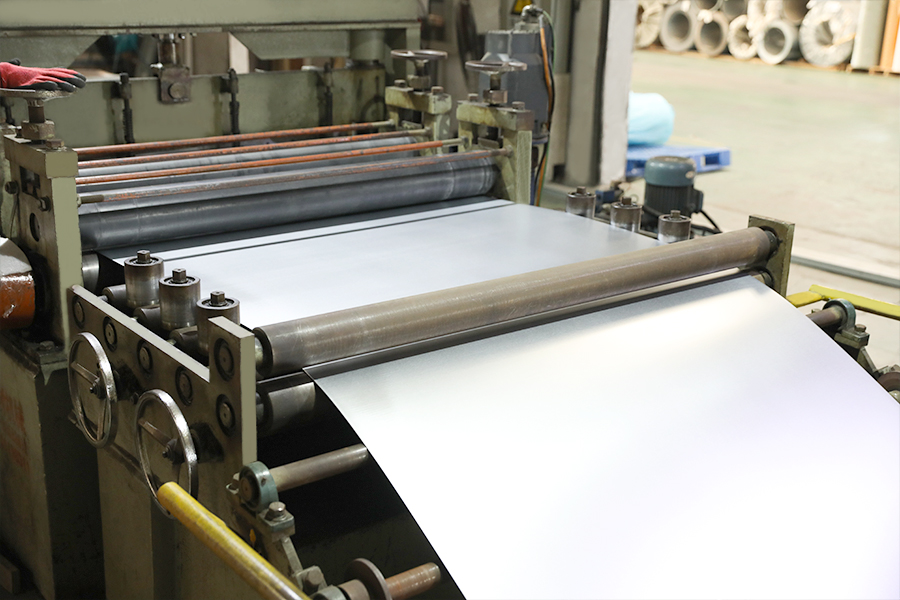
Within both adhesive categories, PVC decorative film is manufactured using either the calendering or casting process. Calendered film is produced by rolling molten PVC compound through a series of precision rollers to achieve the desired thickness. It is cost-effective and widely used for flat surface applications. Cast film, by contrast, is produced by spreading liquid PVC onto a casting sheet and curing it, resulting in a more dimensionally stable product with better conformability to curved surfaces and a longer service life. Cast PVC film is preferred for complex three-dimensional applications and outdoor-adjacent environments.
Key Performance Properties to Evaluate
When specifying or purchasing PVC decorative film, several technical performance properties determine suitability for a given application. The following table summarizes the most important parameters and their typical ranges:
| Property | Standard Range | Why It Matters |
| Film thickness | 0.12 mm – 0.50 mm | Thicker films are more durable and cover surface imperfections better |
| Surface finish | Matte, gloss, satin, embossed | Affects visual appearance and scratch/fingerprint visibility |
| Abrasion resistance | Taber test 500–2000+ cycles | Critical for high-traffic surfaces like tabletops and cabinet fronts |
| Chemical resistance | Varies by formulation | Determines suitability for kitchen and bathroom environments |
| Temperature resistance | Up to 60°C – 80°C | Important near heat sources, radiators, or in warm climates |
| UV stability | Low to high depending on grade | Affects color retention near windows or in bright rooms |
| Fire rating | B1 or B2 (EN 13501) | Required for commercial and public building applications |
For residential furniture in standard living conditions, a film thickness of 0.18–0.25 mm with a matte or satin finish and a Taber abrasion resistance of at least 500 cycles is generally sufficient. For commercial environments with heavy daily use — such as hotel room furniture, office workstations, or retail shelving — specify films of 0.30 mm or above with enhanced abrasion and chemical resistance ratings.
Popular Design Categories and Surface Aesthetics
One of the primary reasons PVC decorative film has grown so widely adopted is the extraordinary range of visual finishes it can replicate. Modern printing and embossing technology allows manufacturers to produce films that are visually and tactilely convincing representations of premium natural materials at a fraction of the cost.
- Wood grain finishes: The single most popular category, covering everything from light Scandinavian oak and warm walnut to dark wenge and reclaimed barn wood aesthetics. High-quality wood grain films feature synchronized embossing — where the physical texture of the surface is aligned with the printed grain pattern — creating a highly realistic tactile and visual experience.
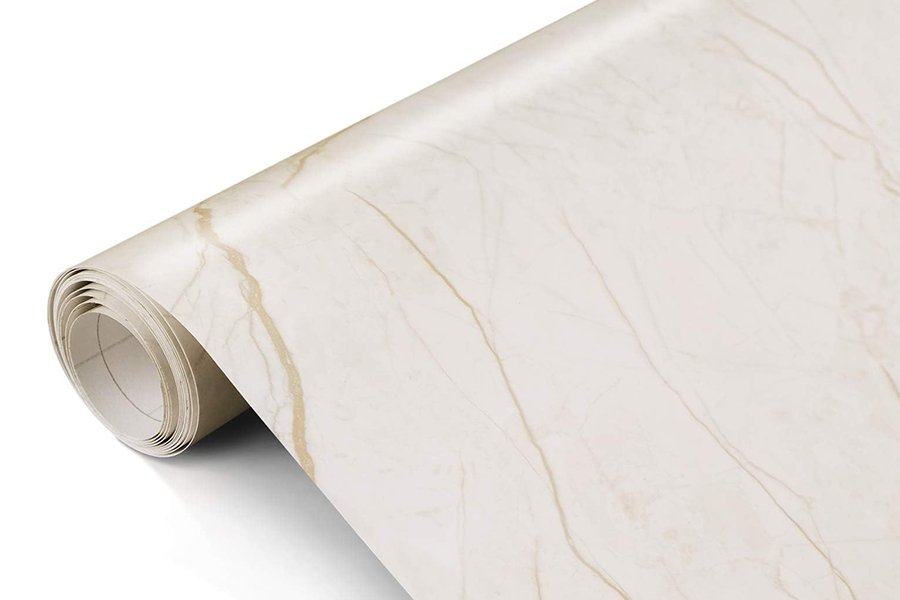
- Marble and stone finishes: Increasingly popular for kitchen and bathroom surfaces, these films replicate Carrara white marble, black marquina, travertine, and concrete finishes. They are applied to cabinet doors, countertop edges, and wall panels to create a high-end stone aesthetic without the weight, fragility, or cost of real stone.
- Solid color and metallic finishes: Solid matte, gloss, satin, and metallic (brushed aluminum, copper, gold) finishes are widely used in modern minimalist and contemporary interiors. These are among the most demanding surfaces in terms of scratch and fingerprint visibility, so surface coating quality is especially important in this category.
- Fabric and woven texture finishes: Films that replicate linen, leather, rattan, or woven textile patterns are used in accent furniture, headboards, wall panels, and decorative cabinet doors to introduce tactile warmth into interiors.
- Abstract and geometric patterns: Custom-printed PVC films with geometric, floral, or abstract graphic patterns are used in retail and hospitality environments for brand-specific interior schemes, feature walls, and bespoke furniture pieces.
How to Prepare Surfaces and Apply PVC Decorative Film Correctly
Even premium PVC decorative film will fail prematurely if the substrate is poorly prepared or the application technique is incorrect. Surface preparation is the single most important factor in achieving a long-lasting, professional result.
Surface Preparation Requirements
- Surfaces must be clean, dry, and free of dust, grease, wax, silicone residue, and loose paint. Wipe down with isopropyl alcohol (IPA) before application.
- Porous or rough substrates like bare MDF edges should be sealed or sanded smooth to prevent adhesive bleed-through and ensure uniform contact across the film surface.
- For membrane press applications, the substrate surface must be free of any raised grain, staple marks, or filler voids that would telegraph through the finished film under heat and vacuum.
- Ambient temperature during self-adhesive application should be between 15°C and 30°C. Cold temperatures reduce adhesive tack; excessive heat accelerates it, making repositioning difficult.
Application Tips for Self-Adhesive Film
- Use a quality squeegee or felt applicator to press the film from the center outward, working in overlapping strokes to expel air bubbles progressively toward the edges.
- For large flat panels, a wet application method (spraying a fine mist of water mixed with a drop of dish soap onto the substrate before laying the film) allows repositioning before the adhesive fully bonds.
- Trim edges with a sharp craft knife or box cutter against a steel rule, cutting in a single confident pass rather than multiple scoring passes to avoid ragged edges.
- On inside corners and curved profiles, use a heat gun on a low setting to soften the film slightly before pressing, which allows it to conform without creasing or lifting.
Comparing PVC Decorative Film Against Alternative Surface Finishes
When specifying surface finishes for furniture or interior panels, PVC decorative film competes directly with several other finishing options. Understanding where it excels and where it falls short helps in making the right specification decision for each project.
- vs. Real wood veneer: Natural wood veneer offers authenticity and the ability to be sanded and refinished, but it is significantly more expensive, more susceptible to moisture, and requires skilled application. PVC film is more consistent in appearance, more moisture-resistant, and far easier to apply at scale.
- vs. High-pressure laminate (HPL): HPL is harder and more impact-resistant than PVC film, making it better suited for horizontal work surfaces and commercial tabletops. However, HPL cannot wrap around edges without post-form processing, while PVC film can wrap complex profiles in a single membrane press cycle.
- vs. Spray lacquer / painting: Paint and lacquer provide a seamless finish but require spray booths, curing time, skilled application, and touch-up work for chips and scratches over time. PVC film can be applied without specialist equipment and replaced if damaged.
- vs. Melamine paper: Melamine-impregnated paper is bonded to substrates under heat and pressure and is widely used in flat-pack furniture. It is less flexible than PVC film and cannot wrap profiles, but it is cheaper for purely flat panel applications at high volume.
Maintenance, Longevity, and When to Replace PVC Decorative Film
Properly applied PVC decorative film in an interior environment typically lasts between 5 and 15 years depending on the quality of the film, the intensity of use, and the care it receives. Routine cleaning with a damp cloth and a mild, non-abrasive household cleaner is all that is needed for most finishes. Avoid scouring pads, solvent-based cleaners, or steam cleaners, as these can damage the surface coating and cause adhesive failure at the edges.
Signs that PVC decorative film needs replacement include persistent lifting at edges that cannot be re-adhered with seam repair adhesive, surface crazing or discoloration from UV exposure, deep scratches that penetrate through the surface coating, or overall color fading that makes the surface appear inconsistent. In most cases, replacement is straightforward — the old film is removed, the substrate is cleaned and re-prepared, and new film is applied without needing to replace the underlying board or panel. This makes PVC decorative film a highly practical choice for rental properties, commercial fit-outs on rolling refresh cycles, and any environment where long-term cost efficiency is a priority.