 English
 中文简体
中文简体
 русский

Content
- 1 Introduction to Semi-Rigid Printing Basement Film
- 2 Key Features of Semi-Rigid Printing Basement Film
- 3 Applications in Food Packaging
- 4 Applications in Cosmetic and Personal Care Packaging
- 5 Industrial and Electronics Packaging Applications
- 6 Customization and Printing Capabilities
- 7 Comparison Table: Semi-Rigid vs Other Packaging Films
- 8 Conclusion
Introduction to Semi-Rigid Printing Basement Film
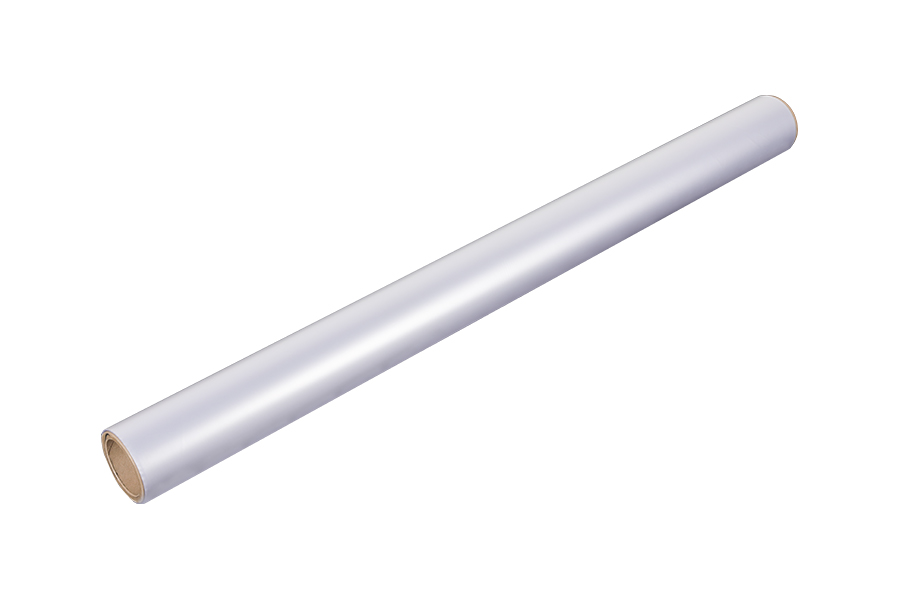
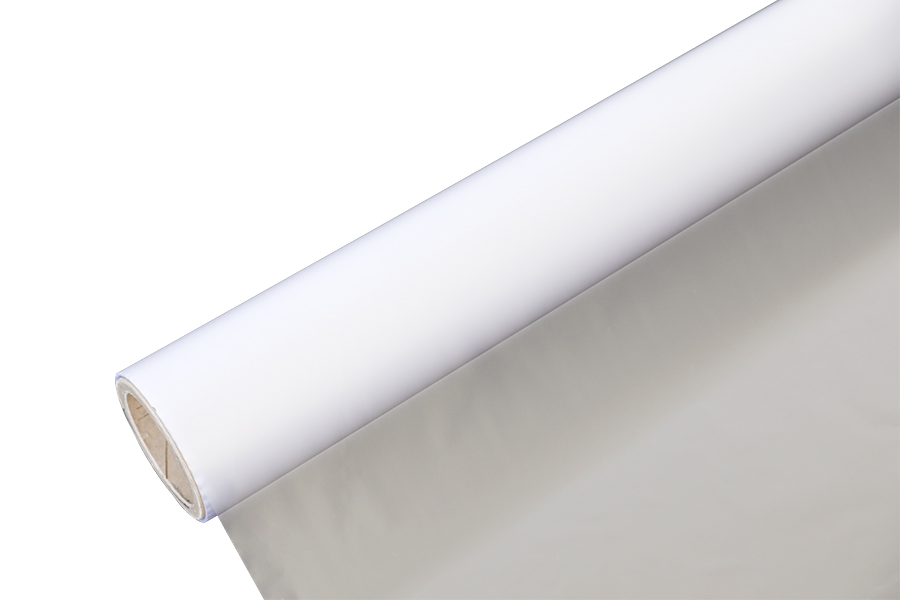
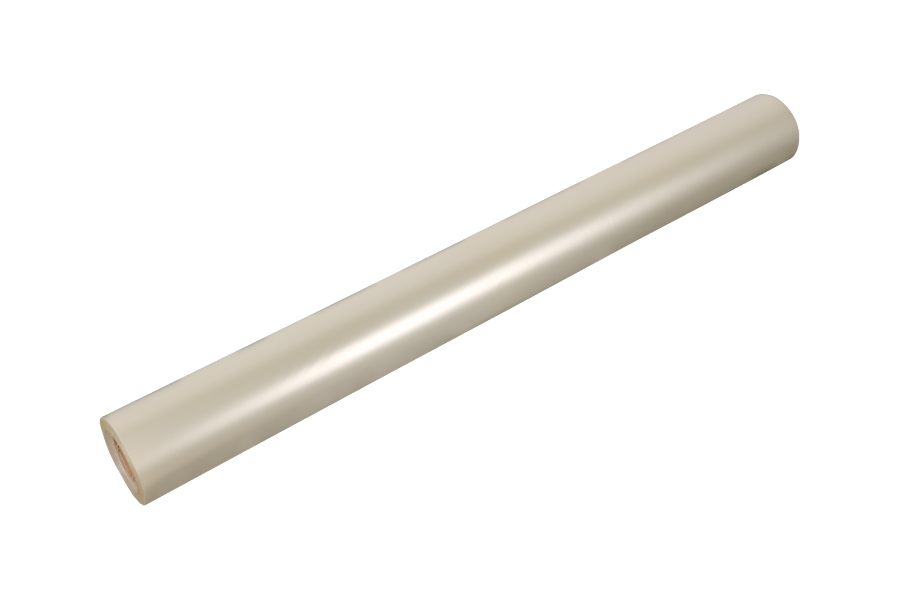
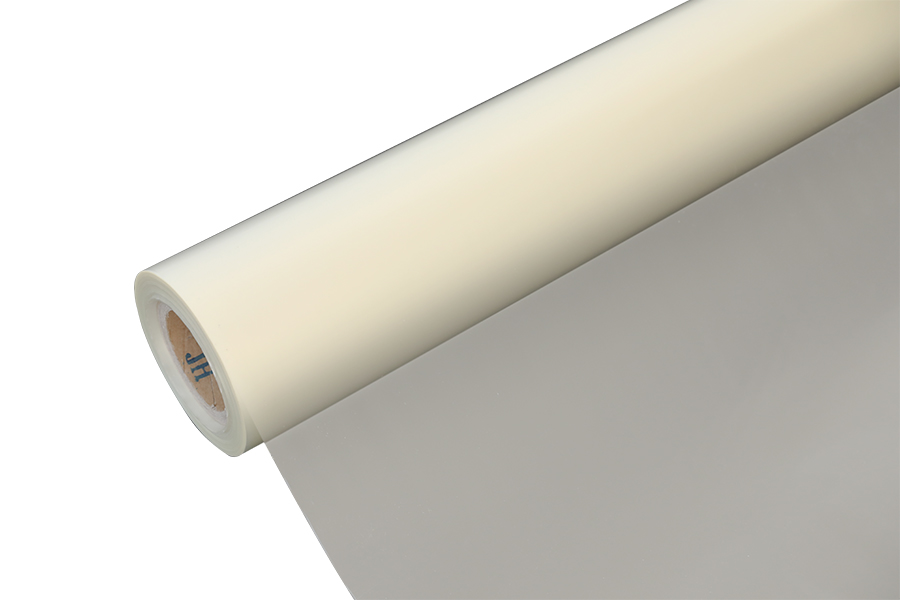
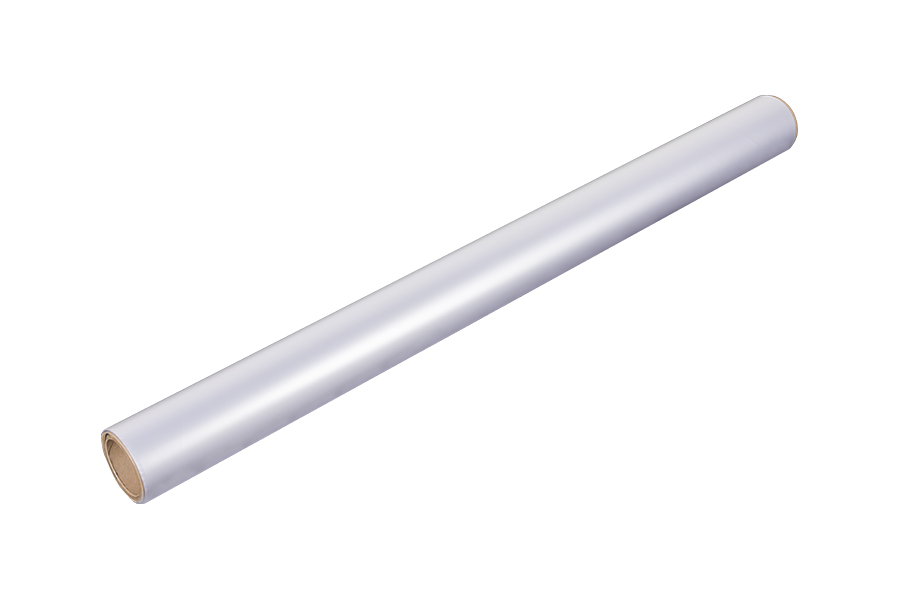
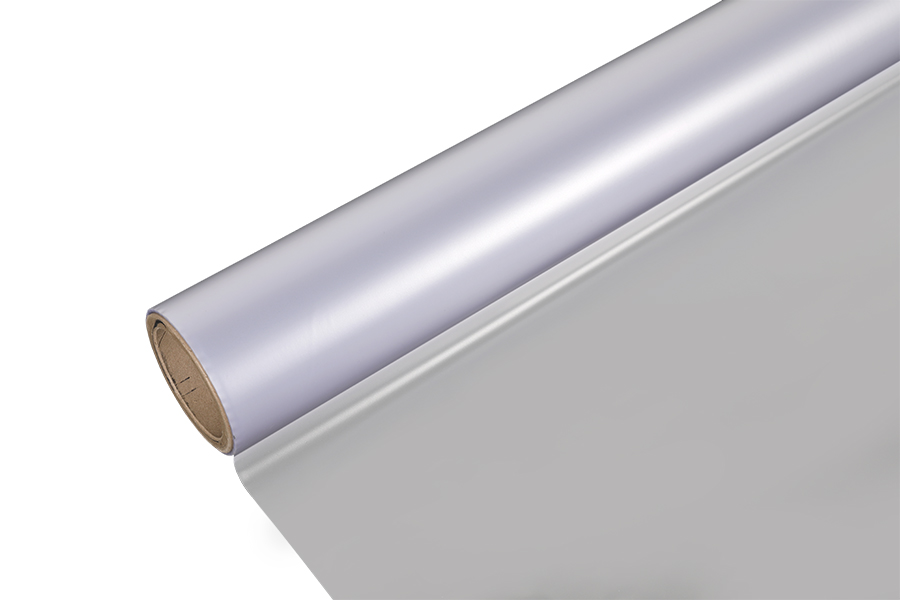
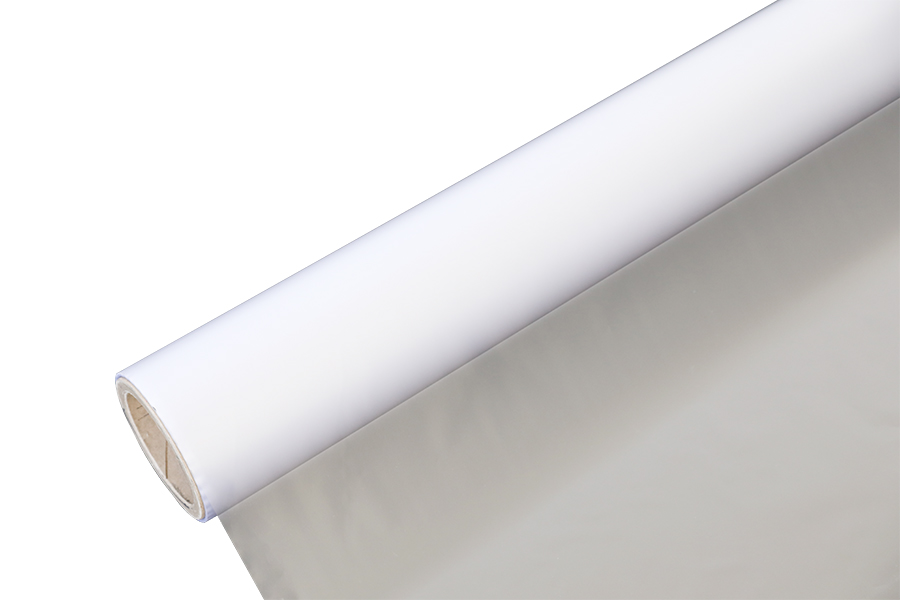
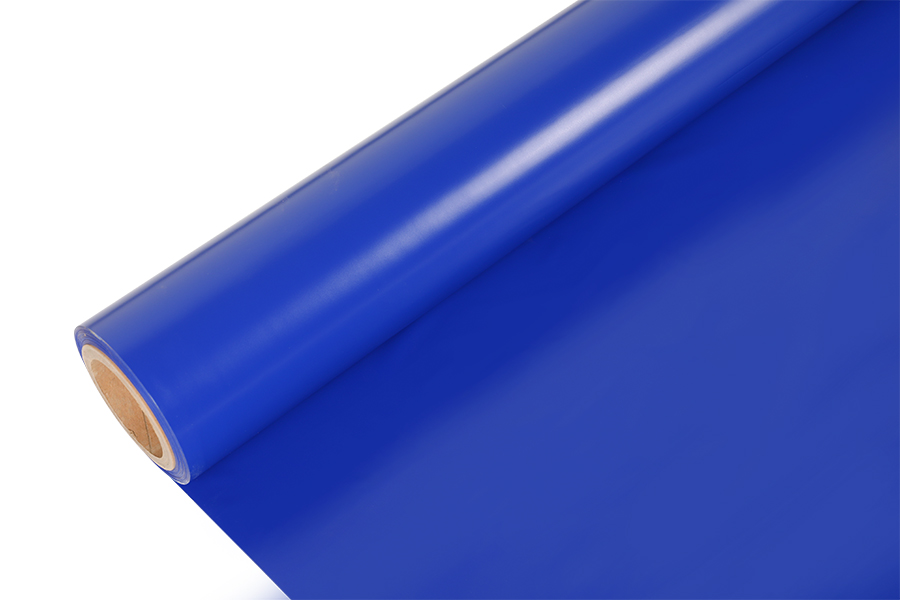
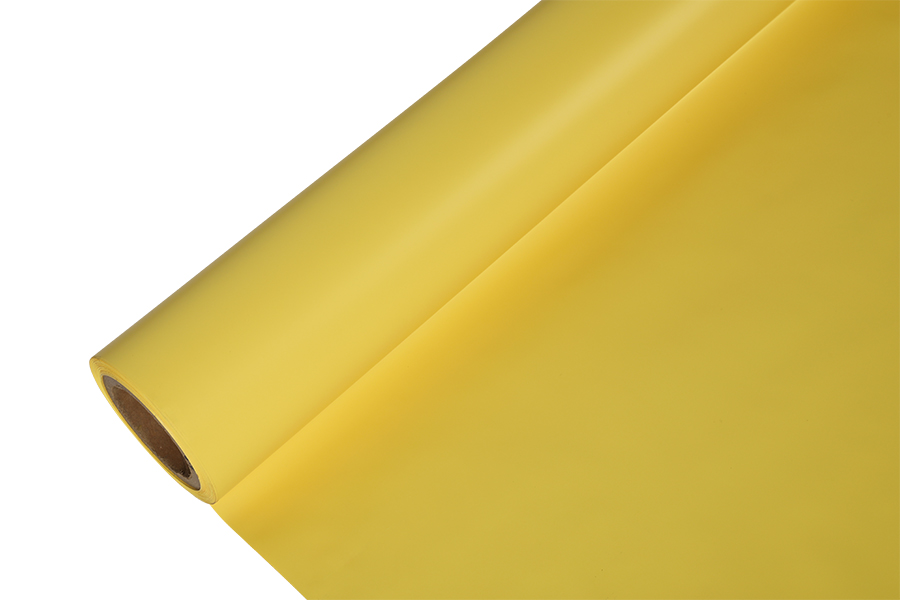
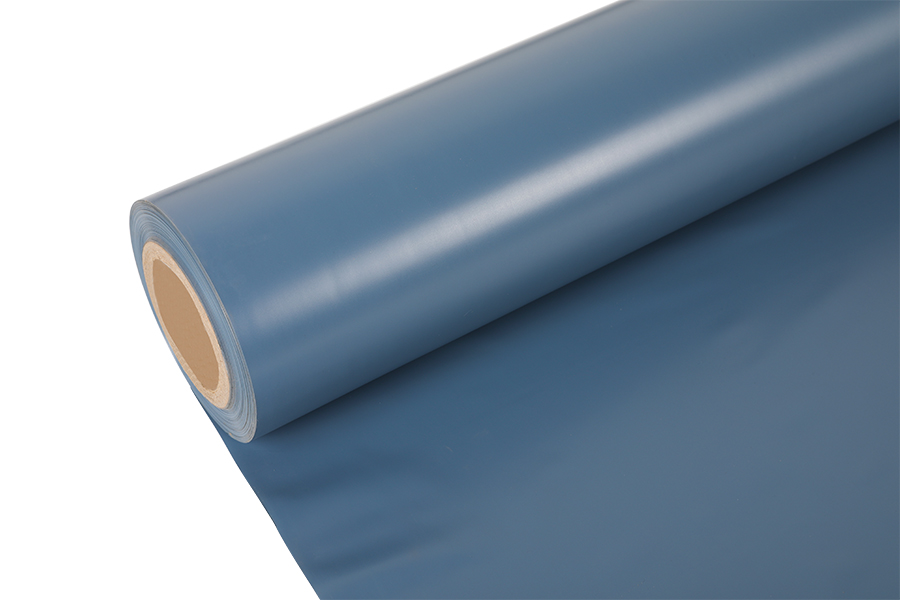
Semi-rigid printing basement film is a specialized material widely used in the packaging industry for its unique balance between flexibility and structural stability. Unlike fully rigid films that are prone to cracking or fully flexible films that lack form, semi-rigid films provide a sturdy base for high-quality printing while remaining adaptable for various packaging designs.
This type of film serves as a substrate in printing processes such as gravure, flexography, and offset printing, offering excellent surface smoothness, dimensional stability, and resistance to deformation. Its semi-rigid properties allow packaging manufacturers to create visually appealing and functional products across multiple industries.
Key Features of Semi-Rigid Printing Basement Film
The distinguishing characteristics of semi-rigid printing basement film include:
- High dimensional stability, preventing warping during printing and packaging processes.
- Surface smoothness suitable for high-resolution and multi-color printing.
- Moderate flexibility, allowing bending and shaping without cracking.
- Good chemical and moisture resistance, enhancing product durability.
- Compatibility with a wide range of inks and coatings, improving print adhesion and quality.
Applications in Food Packaging
One of the primary applications of semi-rigid printing basement film is in food packaging. The film’s strength and flexibility make it ideal for containers, trays, and pouches that must maintain shape while providing a protective barrier for food items. Its smooth surface ensures vibrant branding, nutritional labeling, and attractive product presentation.
Examples include ready-to-eat meal trays, snack packaging, and confectionery boxes. Semi-rigid films can withstand moderate heat and humidity variations, making them suitable for refrigerated or ambient storage conditions while maintaining print quality and structural integrity.
Applications in Cosmetic and Personal Care Packaging
The cosmetics and personal care industry benefits significantly from semi-rigid printing basement film. Cosmetic boxes, blister packs, and product sleeves often require a balance of visual appeal, durability, and protection against minor impacts or pressure.
Semi-rigid films enable intricate printing, embossing, and coating techniques, providing a premium look while ensuring the packaging retains its shape during shipping and retail display. Brands frequently choose this film to enhance product aesthetics and consumer perception.
Industrial and Electronics Packaging Applications
Beyond food and cosmetics, semi-rigid printing basement film is used in industrial and electronics packaging. Components such as circuit boards, small devices, and delicate parts require protective yet printable packaging solutions.
The semi-rigid nature of the film allows for custom inserts, trays, and folders that protect products from impact while providing surfaces suitable for logos, instructions, and barcodes. Its durability and printability are particularly advantageous for branding and identification in logistics and retail settings.
Customization and Printing Capabilities
Semi-rigid printing basement film supports multiple printing and finishing techniques, making it highly versatile for custom packaging solutions. Techniques include:
- Flexographic and gravure printing for large-volume packaging production.
- Offset and digital printing for detailed graphics and premium finishes.
- Lamination and coating for moisture resistance and enhanced durability.
- Embossing or debossing for tactile design effects.
- Die-cutting and folding for creative packaging shapes.
These capabilities allow manufacturers to combine structural functionality with visual appeal, creating packaging that protects products while reinforcing brand identity.
Comparison Table: Semi-Rigid vs Other Packaging Films
| Feature | Semi-Rigid Film | Flexible Film | Rigid Film |
| Flexibility | Moderate, allows shaping without cracking | High, easily bends | Low, prone to cracking when bent |
| Print Quality | High-resolution, smooth surface | Moderate, may wrinkle | High, smooth but less adaptable |
| Durability | Good, resistant to minor impacts | Low, easily deformed | High, very sturdy but brittle |
| Applications | Food, cosmetics, electronics | Flexible pouches, bags | Boxes, trays requiring rigidity |
Conclusion
Semi-rigid printing basement film is a versatile material that bridges the gap between flexible and rigid films, offering both structural stability and high-quality printing surfaces. Its applications span food, cosmetics, electronics, and other industries where protective yet visually appealing packaging is essential.
By combining durability, adaptability, and excellent printability, semi-rigid films allow manufacturers to create packaging that protects products, enhances branding, and meets the demanding requirements of modern packaging solutions.