 English
 中文简体
中文简体
 русский

Content
Introduction: Understanding PVC Decorative Film
PVC decorative film is a versatile material widely used in interior design for furniture, cabinets, doors, walls, and panels. It provides an affordable, aesthetically appealing solution to mimic wood, metal, or stone finishes. While its indoor applications are well-known, questions often arise regarding its suitability for outdoor use. This article examines whether PVC decorative film can be used outdoors or if it is limited to indoor environments, focusing on its material properties, environmental resistance, and practical considerations.
Material Composition and Properties of PVC Decorative Film
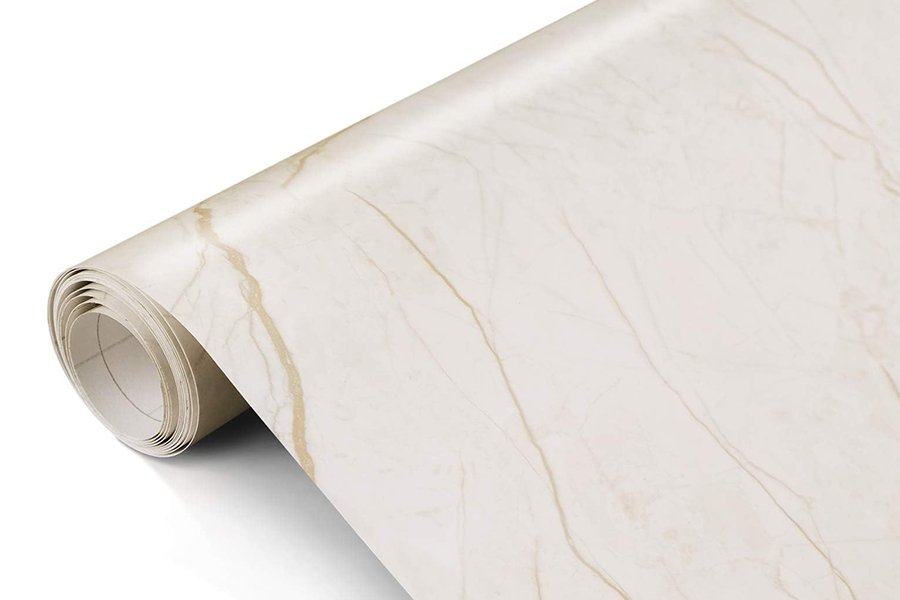
PVC decorative film is composed primarily of polyvinyl chloride (PVC), often with additives that enhance flexibility, color stability, and surface finish. The film is typically laminated or coated to improve durability and adhesion to substrates. Key properties include:
Durability and Flexibility
- PVC films are lightweight and flexible, allowing them to conform to curved surfaces and complex designs.
- They are resistant to cracking under moderate mechanical stress, making them suitable for everyday interior use.
Resistance to Moisture
- PVC is inherently water-resistant, preventing warping or swelling when exposed to indoor humidity or occasional spills.
- This property makes it suitable for kitchens, bathrooms, and furniture in high-humidity areas.
Indoor Applications: Why PVC Decorative Film Excels
PVC decorative film is most commonly used indoors, providing aesthetic appeal and protection for furniture, doors, walls, and cabinets. Its smooth surface, variety of colors, and texture options allow designers to achieve premium finishes without expensive materials like natural wood or metal. Additionally, indoor environments shield the film from UV radiation, extreme temperatures, and harsh weather, preserving its appearance and structural integrity.
Advantages of Indoor Use
- Maintains vibrant colors and finish for years due to absence of UV exposure.
- Easy to clean with mild detergents and water.
- No risk of warping or delamination from temperature fluctuations.
Outdoor Use Considerations
Using PVC decorative film outdoors introduces additional challenges, including exposure to sunlight, temperature extremes, wind, rain, and pollutants. Standard indoor PVC films are typically not formulated to withstand prolonged UV exposure, which can cause fading, yellowing, or degradation of the material over time.
UV Resistance and Color Stability
- Standard PVC films may lose color vibrancy under direct sunlight due to UV degradation.
- Outdoor-grade PVC films often include UV stabilizers or protective coatings to minimize fading and maintain aesthetics.
Temperature Fluctuations
- Extreme heat can cause PVC to soften and expand, while very low temperatures may increase brittleness.
- Proper selection of outdoor-rated PVC film is necessary to ensure performance in varying climates.
Moisture and Weather Resistance
- PVC films are water-resistant, but outdoor exposure to rain, snow, or wind-driven debris may stress adhesion to substrates.
- Application with strong adhesives or protective laminates is recommended for outdoor installations.
Best Practices for Outdoor Installation
If using PVC decorative film outdoors, selecting the right type and following proper installation practices is crucial for durability. Consider outdoor-grade films that are UV-stabilized and weather-resistant, and ensure surfaces are clean, smooth, and primed for adhesion.
Surface Preparation
- Clean the surface thoroughly to remove dirt, grease, or contaminants.
- Ensure the substrate is flat and free from irregularities to prevent bubbling.
Protective Coatings
- Consider adding a clear UV-protective topcoat or laminate for enhanced durability.
- Regular maintenance, such as gentle cleaning, helps preserve appearance and adhesion.
Conclusion: Indoor vs Outdoor Use
PVC decorative film excels in indoor applications, providing beauty, flexibility, and ease of maintenance. While standard indoor films are generally unsuitable for outdoor use due to UV and temperature sensitivity, outdoor-grade PVC films with UV stabilizers and weather-resistant properties can be used successfully with proper surface preparation and protective coatings. Ultimately, the decision depends on selecting the right product for the environment and ensuring correct installation to maximize durability and aesthetics.