 English
 中文简体
中文简体
 русский

Content
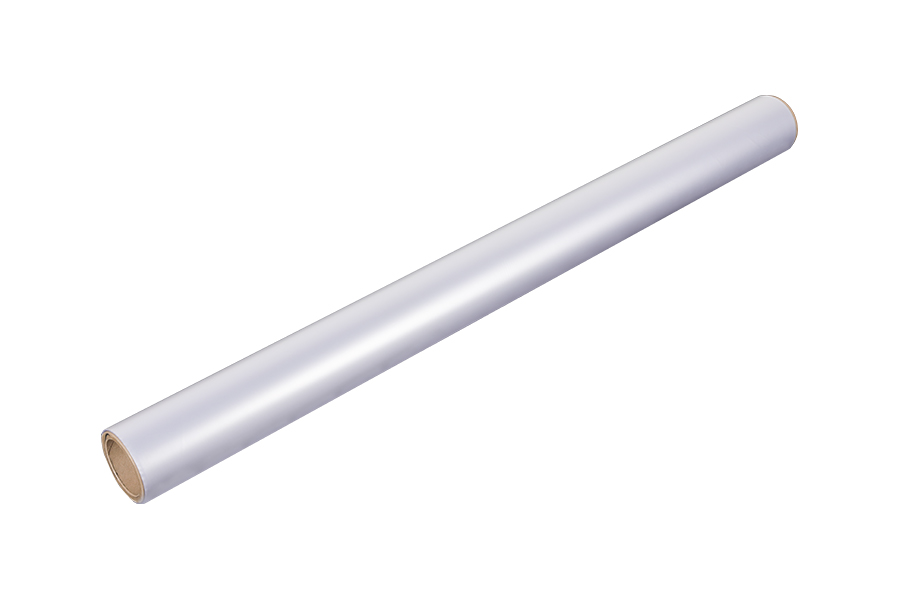
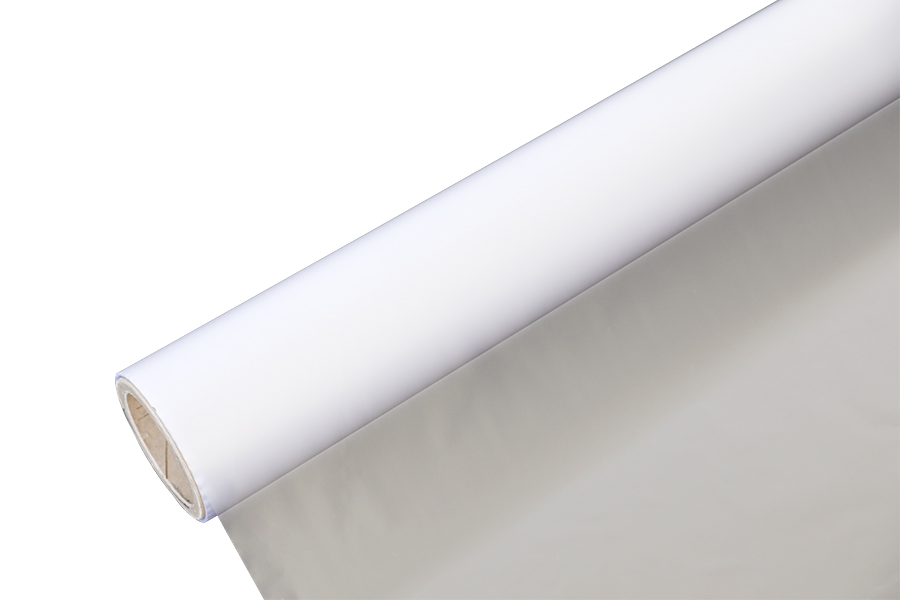
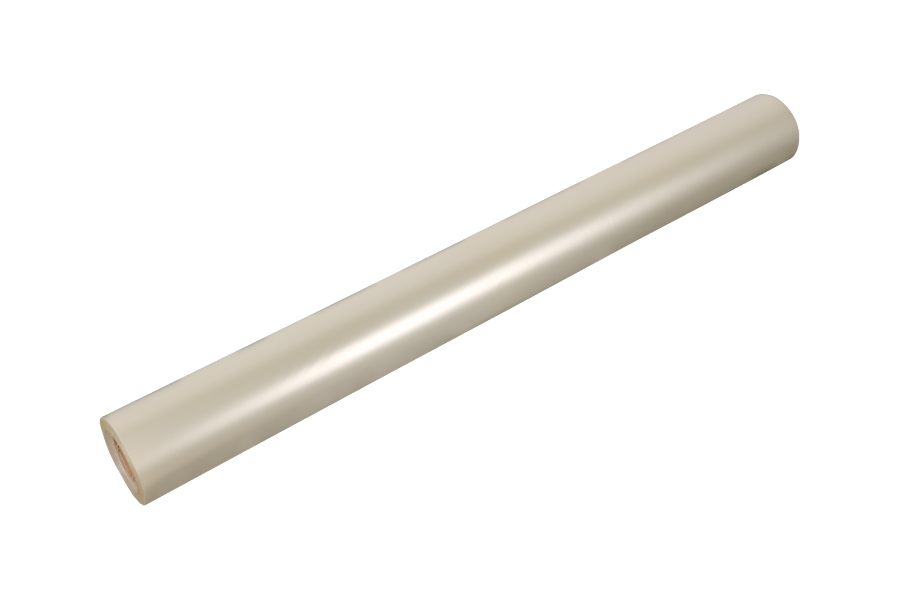
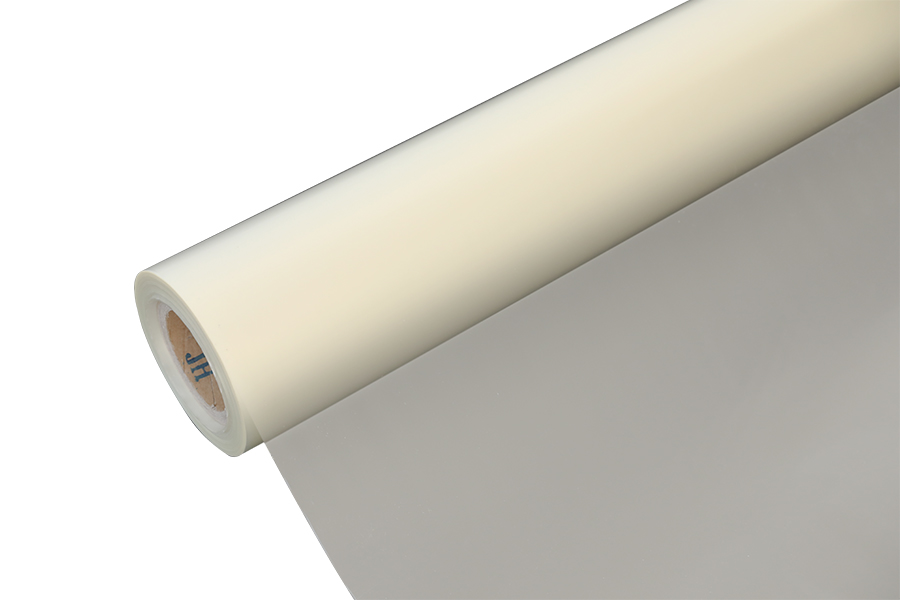
Crystal clear film is a high-quality transparent material widely used across packaging, industrial, and consumer applications. Unlike standard transparent films, it offers superior optical clarity, enhanced durability, and excellent resistance to tearing and environmental factors. Understanding its properties and advantages is essential for manufacturers, retailers, and end-users seeking premium transparent solutions.
This article examines the features that make crystal clear film superior to other transparent films, including material composition, clarity, strength, and versatility in various industries.
Material Composition and Manufacturing
The performance of crystal clear film largely depends on its base materials and the precision of its manufacturing process. Typically made from high-grade polymers such as polyethylene terephthalate (PET), polypropylene (PP), or polyvinyl chloride (PVC), these films offer enhanced transparency and consistent thickness throughout the sheet.
Polymer Selection
- PET-based films provide excellent dimensional stability and heat resistance, suitable for high-end packaging and lamination.
- PP films are lightweight and offer high clarity, commonly used in food packaging and retail displays.
- PVC films combine flexibility with impact resistance, making them suitable for protective covers and labels.
Advanced Manufacturing Techniques
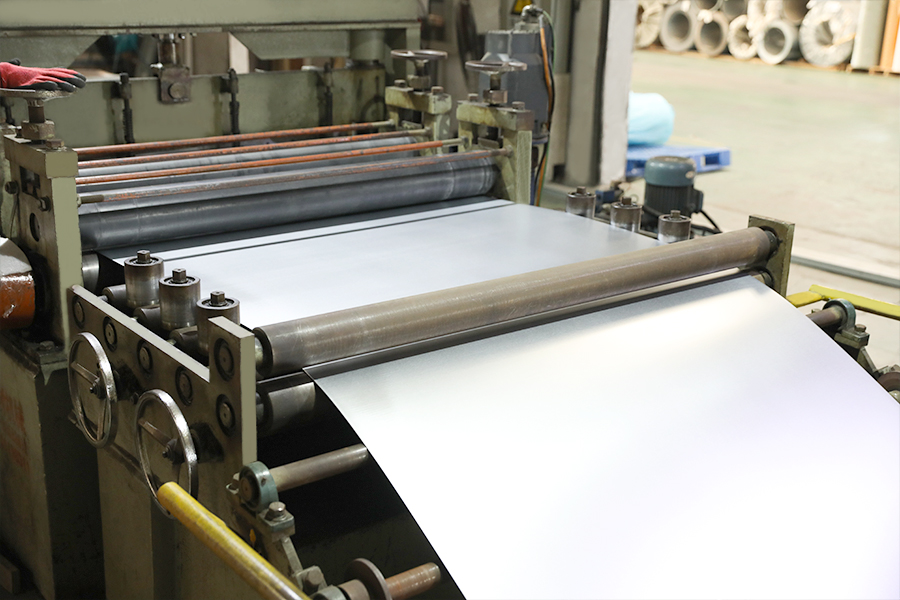
Crystal clear films undergo precision extrusion or casting processes that minimize bubbles, imperfections, and haze. Multi-layer lamination and coating can further enhance surface smoothness, scratch resistance, and optical clarity.
Optical Clarity and Transparency
One of the main advantages of crystal clear film is its unmatched optical clarity. High light transmission rates allow consumers to view packaged products without distortion, making it ideal for premium goods and retail displays.
Light Transmission and Haze Reduction
- Superior light transmission ensures that colors and details of packaged items are vividly visible.
- Low haze levels minimize cloudiness, providing a crystal-like visual effect.
Comparison with Standard Films
Compared to ordinary polyethylene or vinyl films, crystal clear film exhibits higher transparency, better surface gloss, and reduced yellowing over time. This makes it preferable for applications where aesthetics and product visibility are crucial.
Strength and Durability
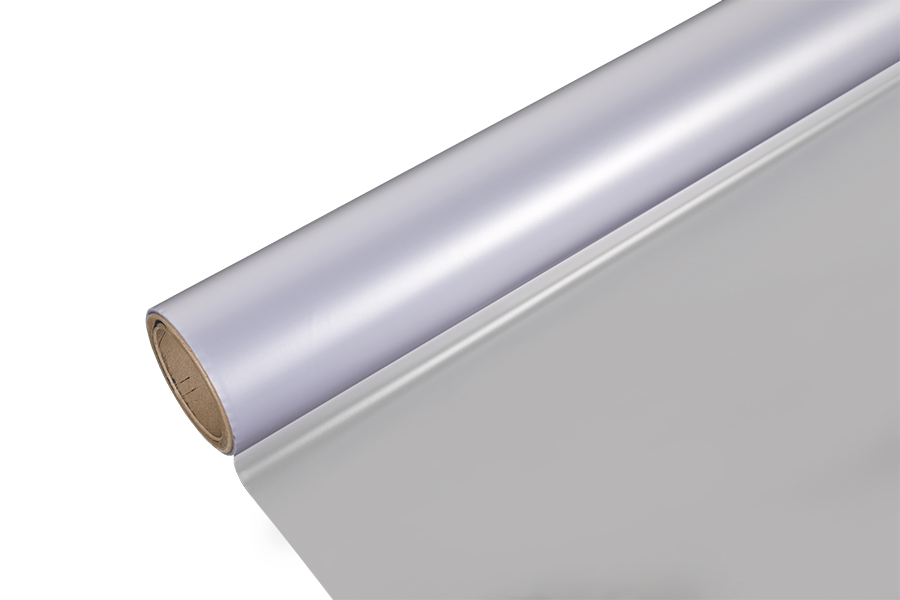
Crystal clear film is engineered to withstand mechanical stress, tearing, and environmental conditions that typically damage conventional films. This durability extends its usability in demanding applications such as industrial packaging and protective overlays.
Tear and Impact Resistance
- Reinforced polymer structures increase tear strength and reduce the risk of punctures.
- High impact resistance allows the film to protect fragile items during shipping or storage.
Environmental Stability
Crystal clear films resist UV radiation, moisture, and temperature fluctuations better than standard transparent films. These properties prevent brittleness, fading, and deformation, ensuring consistent performance over time.
Versatility in Applications
The unique combination of clarity, strength, and flexibility makes crystal clear film suitable for a wide range of applications. From consumer packaging to industrial and artistic uses, it provides a premium solution that enhances both functionality and aesthetics.
Packaging and Retail
- Used for food, cosmetics, electronics, and luxury items where product visibility and protection are essential.
- Shrink wraps and blister packs often utilize crystal clear films for premium presentation.
Protective Applications
- Applied as screen protectors, overlays, and furniture covers to shield surfaces from scratches and dust.
- Industrial machinery often uses clear films for temporary protection during assembly or transport.
Art and Display
Artists and display designers use crystal clear films for framing, laminating artwork, and creating protective layers over printed media, as the transparency preserves color integrity and visual detail.
Cost vs. Value Considerations
While crystal clear film may be more expensive than standard transparent films, its superior performance, longevity, and aesthetic benefits often justify the investment, especially in high-end or professional applications.
Long-Term Durability
Investing in high-quality crystal clear film reduces the need for frequent replacements and minimizes product damage, ultimately lowering overall costs for businesses and consumers.
Enhanced Presentation
For retail and premium packaging, the clear film elevates product presentation, enhancing perceived value and customer satisfaction.
Conclusion
Crystal clear film surpasses conventional transparent films due to its unmatched optical clarity, superior strength, environmental stability, and versatility across applications. Whether for packaging, protective use, or artistic presentation, its high performance and premium appearance make it a preferred choice for professionals and consumers alike.