 English
 中文简体
中文简体
 русский

Content
- 1 What Is Wood Grain Series PVC Laminated Sheet-Metal?
- 2 Key Performance Advantages Over Traditional Materials
- 3 Primary Application Scenarios
- 4 Understanding the Lamination Process and Quality Indicators
- 5 Installation Best Practices for Optimal Results
- 6 Maintenance and Long-Term Care
- 7 Environmental and Sustainability Considerations
- 8 Selecting the Right Supplier and Product Specification
In a market flooded with surface material options, one product has steadily risen to prominence across construction, furniture manufacturing, and interior design sectors: the Wood Grain Series PVC Laminated Sheet-Metal. Combining the structural integrity of metal with the warm, natural aesthetic of wood grain, this material offers an exceptional balance of function and form. But what exactly makes it stand out, and why are architects, contractors, and designers increasingly specifying it over traditional alternatives?
What Is Wood Grain Series PVC Laminated Sheet-Metal?
Wood Grain Series PVC Laminated Sheet-Metal is a composite material produced by thermally bonding a PVC film — printed with realistic wood grain patterns — onto a metal substrate, typically steel, aluminum, or galvanized iron. The lamination process uses heat and pressure to ensure the PVC layer adheres permanently to the metal surface, creating a unified material that inherits the best properties of both components.
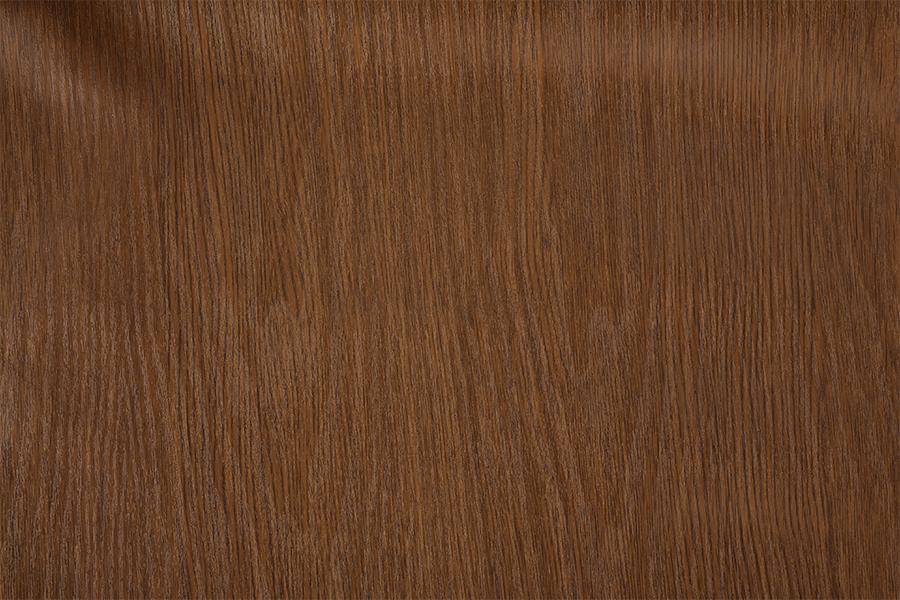
The PVC film layer is available in dozens of wood grain patterns, ranging from classic oak and walnut to modern ash and teak designs. High-definition printing technology ensures that the texture and color depth closely mimic real wood, making it difficult to distinguish from genuine timber at a glance. Beneath this decorative surface lies the strength and rigidity of metal, providing load-bearing capability and resistance to impact that natural wood simply cannot match.
Key Performance Advantages Over Traditional Materials
Understanding why this material is gaining traction requires a direct comparison with conventional options like solid wood, MDF panels, and plain metal sheets. The following table highlights how Wood Grain PVC Laminated Sheet-Metal performs across critical criteria:
| Feature | Solid Wood | MDF Panel | Plain Metal Sheet | PVC Laminated Sheet-Metal |
| Moisture Resistance | Low | Medium | High | High |
| Aesthetic Appeal | High | Medium | Low | High |
| Structural Strength | Medium | Low–Medium | Very High | Very High |
| Fire Resistance | Low | Low | High | Medium–High |
| Maintenance Cost | High | Medium | Low | Very Low |
| Eco-Friendliness | Low (deforestation) | Medium | Medium | High (no timber use) |
As the table demonstrates, PVC Laminated Sheet-Metal uniquely combines high aesthetics with high structural performance — a combination that neither wood nor plain metal can achieve independently.
Primary Application Scenarios
The versatility of Wood Grain Series PVC Laminated Sheet-Metal makes it suitable across a broad spectrum of industries and project types. Its applications can be broadly categorized into interior and exterior uses.
Interior Applications
Inside buildings, this material performs exceptionally well in environments where both appearance and durability are priorities. Common interior uses include:
- Wall cladding panels in commercial lobbies, hotels, and retail stores
- Furniture surfaces including wardrobe doors, cabinet fronts, and shelving units
- Ceiling tiles and suspended ceiling systems requiring lightweight yet durable panels
- Partition walls and office dividers where fire codes require metal-backed materials
- Kitchen and bathroom cabinetry, where moisture resistance is non-negotiable
Exterior Applications
Outdoors, the material's resistance to UV radiation, moisture, and temperature fluctuation proves especially valuable. Typical exterior uses include:
- Facade cladding for residential buildings, commercial complexes, and warehouses
- Outdoor signage frames and display structures
- Garden structures including pergolas, gazebos, and fencing panels
- Balcony railings and privacy screens
- Roofing trim and architectural accents requiring consistent color over time
Understanding the Lamination Process and Quality Indicators
Not all PVC laminated sheet-metal products are created equal. The quality of the final product depends heavily on the lamination process, the grade of raw materials, and the precision of manufacturing controls. Buyers and specifiers should understand what differentiates a premium product from a substandard one.
The lamination process typically involves surface pre-treatment of the metal substrate to remove oils, oxidation, and contaminants. A primer or adhesive layer is then applied before the PVC film is pressed under controlled heat — usually between 150°C and 200°C — to create a permanent bond. Premium manufacturers use dry-lamination or hot-melt adhesive systems that resist delamination even under thermal cycling conditions, where temperature changes between day and night repeatedly stress the bond interface.
When evaluating product quality, buyers should look for the following indicators:
- PVC film thickness: Premium products typically use a PVC film between 0.12mm and 0.20mm, ensuring adequate color depth and surface durability.
- Metal substrate grade: Cold-rolled steel or aluminum alloy substrates provide better flatness and adhesion surface than hot-rolled alternatives.
- UV stabilizers in PVC film: High-quality films contain UV inhibitors that prevent color fading and chalking in outdoor applications.
- Peel strength test results: Reputable suppliers provide test reports showing peel strength values of at least 3N/mm to confirm bond integrity.
- Surface hardness and scratch resistance: A protective topcoat should provide a pencil hardness rating of at least 2H to resist daily wear in high-traffic areas.
Installation Best Practices for Optimal Results
Even the highest-quality material will underperform if installed incorrectly. Wood Grain Series PVC Laminated Sheet-Metal requires careful handling and specific installation techniques to preserve its appearance and structural integrity throughout its service life.
Cutting and Fabrication
Use carbide-tipped saw blades or fine-tooth metal cutting blades to minimize edge chipping. Always cut with the decorative PVC face positioned upward to reduce surface scratching from metal shavings. After cutting, deburr all edges with a file or edge trimmer to prevent sharp metal edges from compromising adjacent surfaces or posing a safety hazard during handling.
Fastening and Fixing
Self-tapping screws, rivets, or concealed clip systems are all suitable for fixing these panels, depending on the application. When using visible fasteners, choose stainless steel or color-matched powder-coated screws to maintain visual consistency with the wood grain surface. In outdoor applications, always provide thermal expansion gaps of at least 3–5mm between adjacent panels to accommodate dimensional changes caused by temperature variation.
Surface Protection During Installation
Many suppliers ship panels with a protective PE film on the decorative surface. This film should remain in place throughout cutting, drilling, and installation, and only be removed after all adjacent construction work is complete. Removing the film prematurely exposes the PVC surface to concrete splatter, paint, adhesive, and mechanical damage that can permanently disfigure the finish.
Maintenance and Long-Term Care
One of the most compelling selling points of Wood Grain Series PVC Laminated Sheet-Metal is its exceptionally low maintenance requirement compared to real wood or painted metal. The PVC surface is non-porous, meaning it does not absorb moisture, stains, or biological contaminants such as mold and mildew.
Routine cleaning requires nothing more than wiping the surface with a damp cloth and a mild detergent solution. Avoid abrasive cleaning pads, strong solvents such as acetone or toluene, and high-pressure washing at close range, as these can damage the PVC film surface. For stubborn marks such as grease or adhesive residue, isopropyl alcohol applied with a soft cloth is generally safe and effective.
In coastal or high-humidity environments, periodic inspection of panel edges and fastener points is advisable to detect any early signs of rust migration from exposed metal edges. Applying a clear edge sealant during installation significantly reduces this risk and extends the service life of the installation by preventing moisture ingress at vulnerable cut edges.
Environmental and Sustainability Considerations
As sustainability becomes a central criterion in material specification, Wood Grain Series PVC Laminated Sheet-Metal offers meaningful environmental advantages over natural wood alternatives. By eliminating the need for timber harvesting, this material directly reduces pressure on forest ecosystems. A single commercial project that substitutes PVC laminated panels for solid wood cladding can conserve dozens of cubic meters of timber that would otherwise require decades of growth to replace.
Metal substrates used in production are highly recyclable. At end-of-life, the metal core can be separated and melted down for reuse in new products, contributing to circular economy principles. Some manufacturers now also offer PVC films produced with reduced heavy-metal stabilizers, aligning with RoHS and REACH compliance standards increasingly demanded by European and international buyers.
The long service life of this material — typically 15 to 25 years in well-specified applications — further reduces the environmental burden associated with frequent replacement, repainting, and waste disposal that characterize shorter-lived alternatives such as painted MDF or untreated wood.
Selecting the Right Supplier and Product Specification
With a growing number of manufacturers offering Wood Grain PVC Laminated Sheet-Metal, selecting a reliable supplier requires careful due diligence. Buyers should request product samples to assess color accuracy, surface texture realism, and edge quality before committing to large orders. Ask suppliers for third-party test reports covering key parameters such as adhesion strength, salt spray resistance, UV aging performance, and formaldehyde emission levels.
Lead times, minimum order quantities, and the availability of custom wood grain patterns are also important commercial factors. Premium suppliers typically maintain a standard catalog of 20 to 50 wood grain designs and can produce custom patterns for high-volume projects with sufficient lead time. Ensure that the supplier can provide consistent color matching across different production batches, which is critical for large-scale projects where panels are installed from multiple shipments.
Wood Grain Series PVC Laminated Sheet-Metal represents a mature, proven technology that successfully bridges the gap between the warmth of natural wood aesthetics and the performance demands of modern construction. For any project where appearance, durability, and cost-efficiency must align, it deserves serious consideration as the surface material of choice.