 English
 中文简体
中文简体
 русский

Content
- 1 What Wood Grain PVC Decorative Film Is and How It Works
- 2 Key Types of Wood Grain PVC Decorative Film
- 3 Surface Applications and Compatible Substrates
- 4 Performance Specifications That Matter for Different Environments
- 5 Advantages Over Alternative Surfacing Materials
- 6 How to Select the Right Wood Grain PVC Film for Your Project
- 7 Application Tips for Consistent, Professional Results
What Wood Grain PVC Decorative Film Is and How It Works
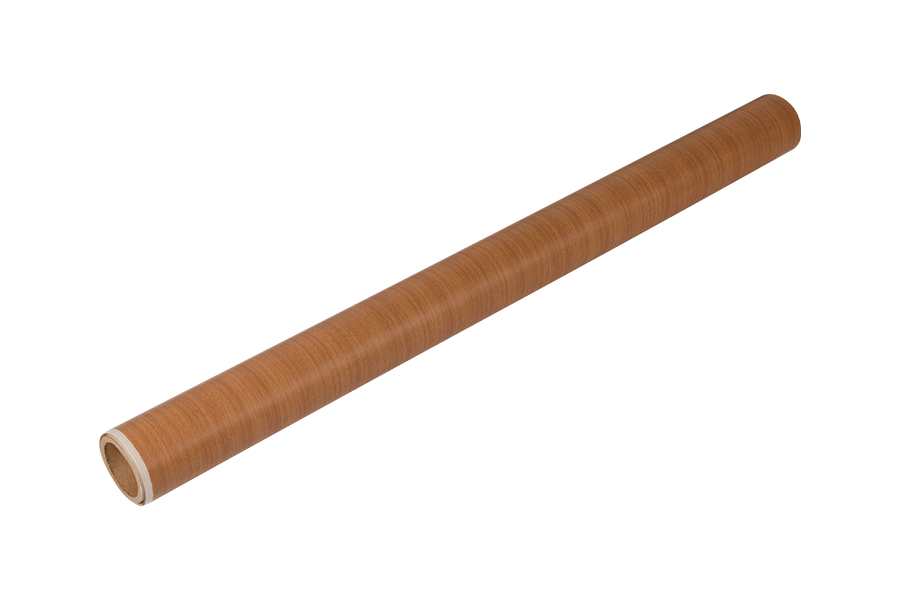
Wood grain PVC decorative film is a thin, flexible sheeting material made from polyvinyl chloride (PVC) resin that has been printed, embossed, or both, to replicate the visual and tactile characteristics of natural wood. It is manufactured in roll form and applied to substrate surfaces — including MDF, particleboard, plywood, metal, and rigid foam panels — using pressure-sensitive adhesive, heat activation, or lamination processes. The result is a surface that closely mimics the appearance of real wood species such as oak, walnut, teak, cherry, pine, and wenge, at a fraction of the cost and with considerably greater consistency than natural timber veneers.
The film typically consists of multiple functional layers working together. A base PVC film provides structural integrity and dimensional stability. A printed decorative layer — produced using high-resolution rotogravure or digital printing — carries the wood grain pattern with precise color registration and grain direction control. A surface wear layer, often made from transparent PVC or polyurethane coating, protects the printed image from abrasion, staining, UV fading, and moisture. Some premium products add an embossed texture layer whose grain pattern is mechanically synchronized with the printed design, creating a surface that not only looks like wood but also feels like it underhand.
Key Types of Wood Grain PVC Decorative Film
Not all wood grain PVC films are constructed or intended for the same applications. Understanding the main product categories helps buyers and specifiers select the right film for each specific use case, avoiding costly mismatches between film capability and application demands.
Calendered PVC Film
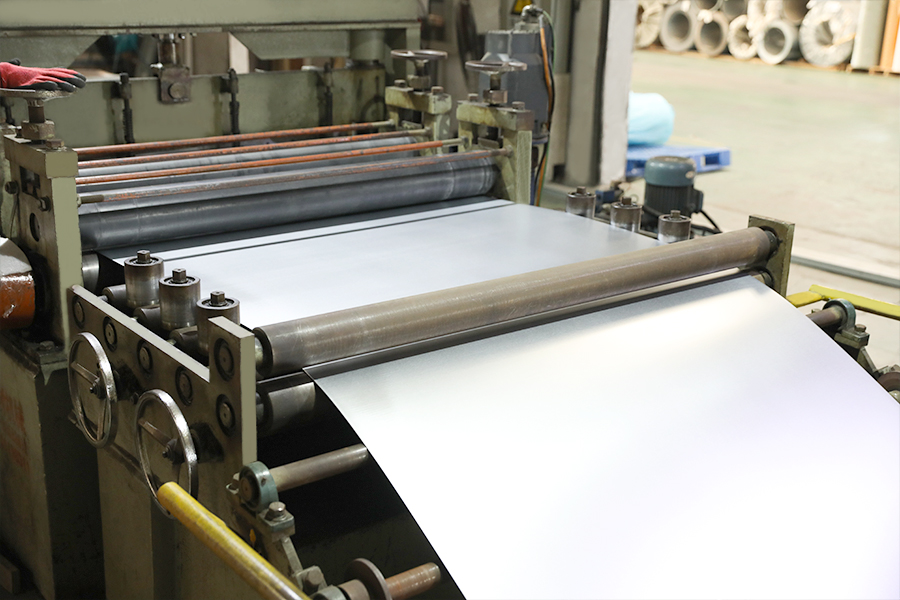
Calendered PVC film is produced by passing molten PVC compound through a series of heated rollers that progressively thin and smooth the material to the target thickness, typically 0.08mm to 0.25mm. This manufacturing process introduces some internal stress into the film, which can cause it to shrink slightly over time, particularly when exposed to heat. Calendered films are cost-effective and suitable for flat surface applications with moderate performance requirements — interior furniture panels, cabinet doors in temperature-controlled environments, and wall cladding in residential settings are typical applications.
Cast PVC Film
Cast PVC film is manufactured by spreading liquid PVC solution onto a moving casting sheet and curing it through a series of heated ovens. This solvent-casting process produces a film with minimal internal stress, exceptional dimensional stability, and superior conformability to curved or irregular surfaces. Cast films can wrap around tight radii, concave profiles, and complex three-dimensional shapes without lifting, creasing, or developing stress whitening. They are the preferred choice for thermoforming applications, profile wrapping for door frames and window casings, and any application involving curved substrates or post-forming of laminated panels.
Rigid PVC Decorative Sheet
Rigid decorative PVC sheet is a thicker product — typically 0.3mm to 1.0mm — that combines the decorative surface layer with enough structural rigidity to be handled as a panel facing rather than a flexible film. It is commonly laminated to substrate boards using hot-press or cold-press adhesive systems in furniture manufacturing facilities. Rigid PVC decorative sheet offers excellent flatness, controlled gloss levels, and good resistance to edge chipping during machining — properties that make it particularly well-suited for kitchen cabinet door production, furniture panel facing, and modular storage systems.
Self-Adhesive Decorative Film
Self-adhesive wood grain PVC film incorporates a pressure-sensitive adhesive layer protected by a release liner on the back face. It can be applied without specialized equipment, making it practical for renovation, refurbishment, and DIY applications. The adhesive system determines performance: removable adhesives allow repositioning and clean removal after use, while permanent adhesives provide stronger long-term bonding suitable for high-traffic surfaces. Self-adhesive films are widely used in retail fit-outs, office furniture refreshment, and residential renovation projects where replacing existing furniture or panels is impractical.
Surface Applications and Compatible Substrates
Wood grain PVC decorative film is applied across an exceptionally wide range of surfaces and substrate materials, making it one of the most versatile surfacing solutions in the building products and furniture industries. Compatibility between film type, adhesive system, and substrate is critical for achieving durable results.
| Substrate | Recommended Film Type | Application Method | Typical End Use |
| MDF / Particleboard | Rigid sheet or calendered film | Hot or cold press lamination | Cabinet doors, shelving panels |
| PVC / Aluminum Profile | Cast film | Profile wrapping machine | Door frames, window casings |
| Steel / Aluminum Sheet | Self-adhesive or laminated film | Roll lamination or hand application | Steel doors, elevator panels |
| Plywood | Calendered or rigid sheet | Cold press lamination | Furniture backs, wall panels |
| Foam Board / XPS | Self-adhesive film | Hand or machine application | Display fixtures, exhibition stands |
| Existing Furniture Surface | Self-adhesive film (removable) | Hand application with squeegee | Renovation, refurbishment |
Performance Specifications That Matter for Different Environments
Wood grain PVC decorative film must meet different performance standards depending on where it is installed and what demands it will face in service. Specifying a film purely on the basis of its visual appearance without evaluating its technical performance characteristics is a common and costly mistake, particularly in commercial and high-traffic environments.
Abrasion and Scratch Resistance
Surface durability is critical for tabletops, countertops, flooring, and any other horizontal surface subject to regular contact. Abrasion resistance is typically measured using the Taber abraser test (ASTM D4060) or the Martindale method. Films with polyurethane (PU) topcoats generally achieve significantly better abrasion resistance than those with standard PVC surface layers, making PU-coated films the preferred choice for worksurfaces and high-contact furniture components. Scratch resistance ratings — expressed as the force in Newtons required to produce visible scratching — should also be verified against application requirements before specification.
Chemical and Stain Resistance
Kitchen and bathroom applications expose decorative film surfaces to cleaning agents, cooking oils, cosmetics, and household chemicals on a regular basis. Quality wood grain PVC films are tested for resistance to common household chemicals including bleach solutions, ethanol, coffee, red wine, and standard cleaning products. Films intended for kitchen use should demonstrate no staining, softening, or surface dulling after contact with these substances for the test durations specified in relevant standards such as EN 12720 for surface resistance of furniture.
UV and Light Stability
Color fading and yellowing under UV exposure are primary concerns for decorative films used near windows or in retail environments with strong artificial lighting. UV stability is evaluated using accelerated weathering tests such as Xenon arc exposure (ISO 4892-2), with results expressed as color shift (delta E) after a defined exposure period. Films stabilized with UV absorbers and light stabilizers (HALS — hindered amine light stabilizers) maintain color accuracy significantly longer than unstabilized products. For exterior-facing applications such as window profile wrapping, UV stability ratings become a primary selection criterion rather than a secondary consideration.
Formaldehyde and VOC Emissions
Indoor air quality requirements in residential and commercial buildings have driven increasing scrutiny of VOC (volatile organic compound) and formaldehyde emissions from decorative surface materials. Wood grain PVC films intended for interior use should carry certification under recognized low-emission standards such as GREENGUARD Gold, REACH compliance, or the French VOC emission class A+. This is particularly important in bedroom furniture, children's room fittings, and healthcare environments where occupant exposure to emissions is a regulatory and ethical concern.
Advantages Over Alternative Surfacing Materials
Wood grain PVC decorative film competes with several alternative surfacing solutions in the furniture and interior products market. Understanding how it compares on practical and economic dimensions helps manufacturers and designers make informed material choices for each project context.
- Versus natural wood veneer: Real wood veneer offers authentic grain character and can be sanded and refinished, but it is significantly more expensive, requires careful moisture management to prevent cracking and delamination, and exhibits natural variation that can cause color and grain inconsistency across large panel runs. PVC film delivers consistent appearance across thousands of square meters of production with zero grain matching waste.
- Versus melamine paper: Melamine-faced board is cost-competitive with PVC film but has limited post-forming capability — it chips and cracks when bent around tight radii. PVC film, particularly cast types, wraps smoothly around profiles and curved edges that melamine cannot negotiate, offering far greater design freedom for shaped furniture components.
- Versus paint and lacquer: Painted surfaces require multiple application passes, drying time, and skilled labor, with results that are sensitive to application conditions. PVC film lamination is a fast, consistent, factory-controlled process that delivers the same result regardless of ambient humidity or temperature variations during production.
- Versus high-pressure laminate (HPL): HPL is extremely durable and impact resistant, but it is rigid, heavy, and limited in its ability to wrap profiles. PVC film is lighter, more flexible, easier to process on automated wrapping equipment, and significantly lower in material cost per square meter for most applications.
How to Select the Right Wood Grain PVC Film for Your Project
With hundreds of wood grain patterns, film constructions, and surface finishes available from global manufacturers, selecting the right product requires a structured evaluation approach that addresses both aesthetic and technical requirements simultaneously.
- Define the substrate and application method first: The film type — calendered, cast, or rigid sheet — is determined primarily by the substrate and the lamination process available. Confirm these parameters before evaluating specific products to avoid testing films that are fundamentally incompatible with your manufacturing process.
- Match gloss level to end use: Matte and satin finish films (typically 3–15 GU at 60°) are preferred for contemporary furniture and reduce visible fingerprinting on horizontal surfaces. High-gloss films (70–90 GU) create a premium visual effect suited to showcase furniture and retail displays but require careful handling to avoid surface marring during production and installation.
- Request physical samples before ordering: Digital representations of wood grain patterns are unreliable guides to actual appearance. Always evaluate physical samples under the lighting conditions of the intended installation environment, and assess the emboss texture by touch as well as visually.
- Verify certifications for the target market: European projects may require REACH compliance and EN standard test reports. North American projects may need CARB Phase 2 or GREENGUARD certification. Export projects must be checked against the destination country's regulatory requirements, which vary significantly for PVC-containing products across different regulatory jurisdictions.
- Evaluate repeat length for large-area applications: Wood grain pattern repeat — the distance after which the printed pattern begins to repeat — is a critical but often overlooked specification for large wall panels or long countertop runs. Short repeat lengths create a visibly artificial, tiled appearance. Premium films designed for architectural applications offer repeat lengths of 1.5 meters or longer to minimize pattern repetition across large surfaces.
Application Tips for Consistent, Professional Results
Achieving the best results from wood grain PVC decorative film depends as much on correct application technique as on product quality. Even the highest-grade film will perform poorly if applied to an inadequately prepared substrate or processed under incorrect conditions.
Substrate surfaces must be clean, dry, smooth, and free from dust, grease, release agents, and any surface contaminants that can prevent adhesive bonding. For MDF and particleboard, moisture content should be between 6% and 10% — excessively dry or wet boards cause adhesive failure and delamination in service. Application temperature and pressure must be matched to the adhesive system specified by the film manufacturer; insufficient pressure produces bond voids, while excessive heat can cause the PVC film to stretch, distort the printed pattern, or alter the emboss texture. After lamination, panels should be allowed to condition at ambient temperature for at least 24 hours before machining, edging, or assembly to allow the adhesive to reach full bond strength and the film to stabilize dimensionally on its substrate.