 English
 中文简体
中文简体
 русский

Content
- 1 Material Composition and Film Structure
- 2 Fire Performance and Safety Benefits
- 3 Printing Compatibility and Surface Treatment
- 4 Dimensional Stability and Flatness Control
- 5 Lamination and Coating Compatibility
- 6 Applications Across Industries
- 7 Quality Control and Testing Standards
- 8 Comparison of Standard vs Flame Retardant Basement Film
- 9 Conclusion
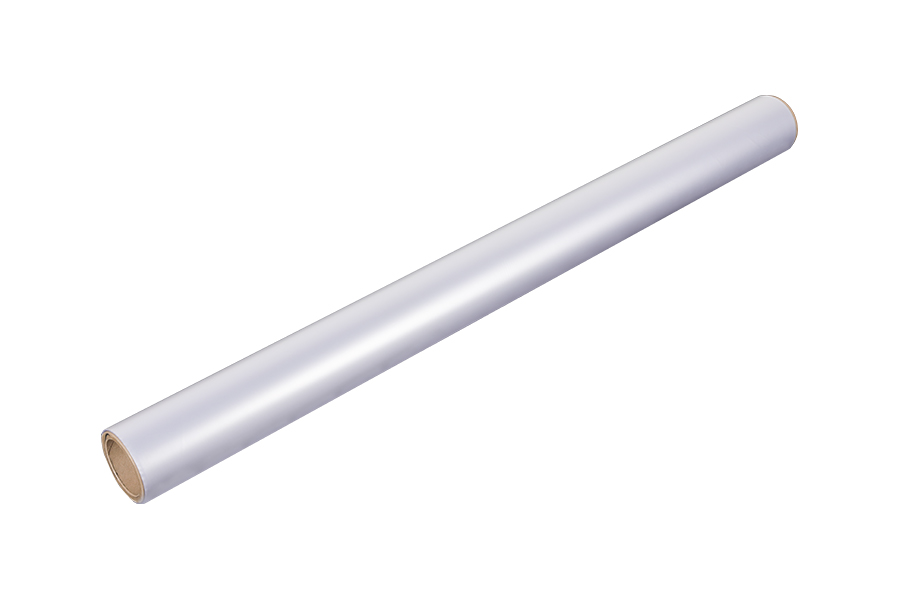
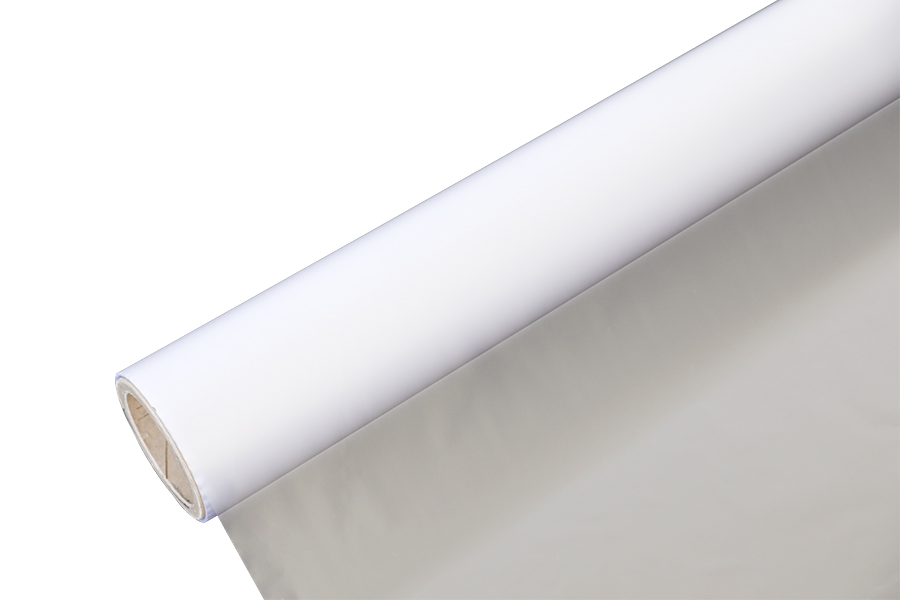
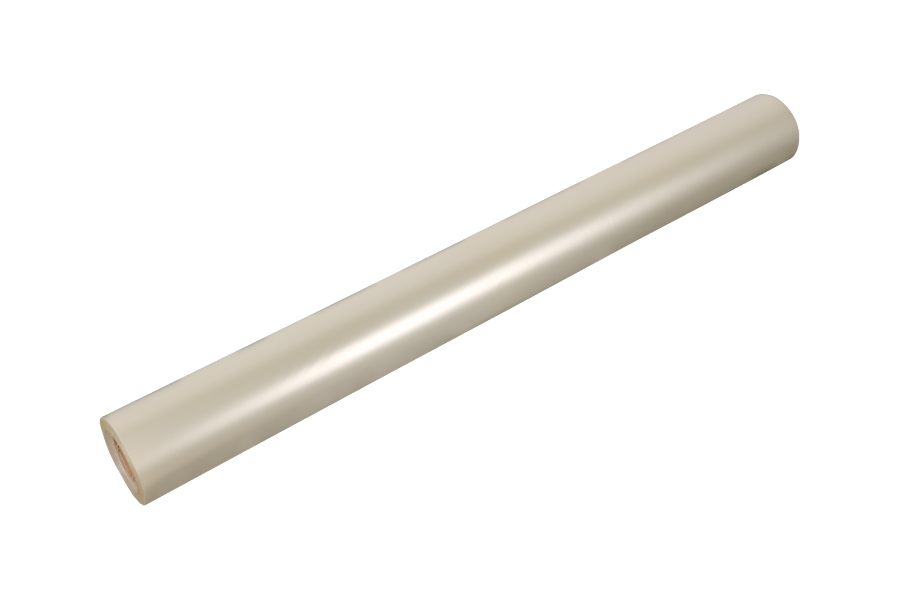
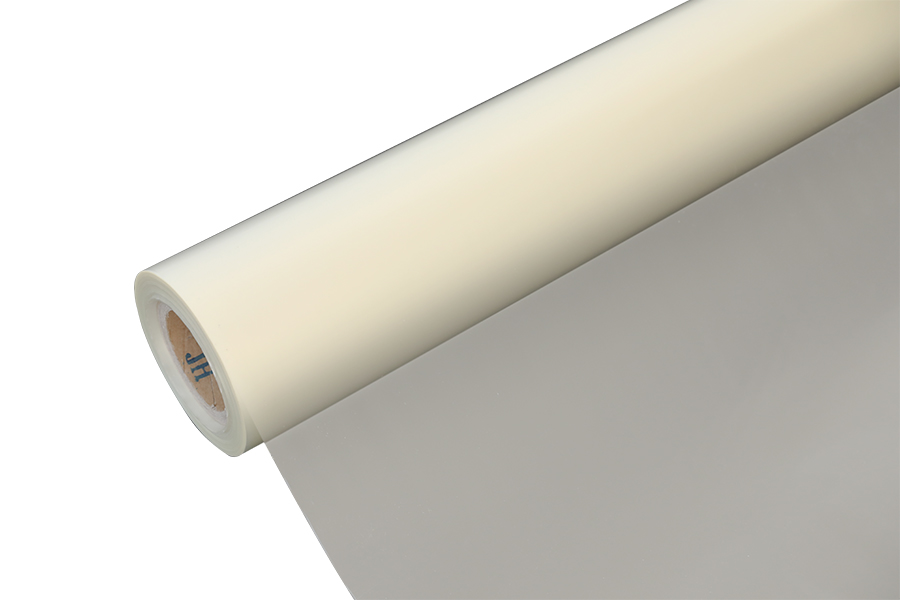
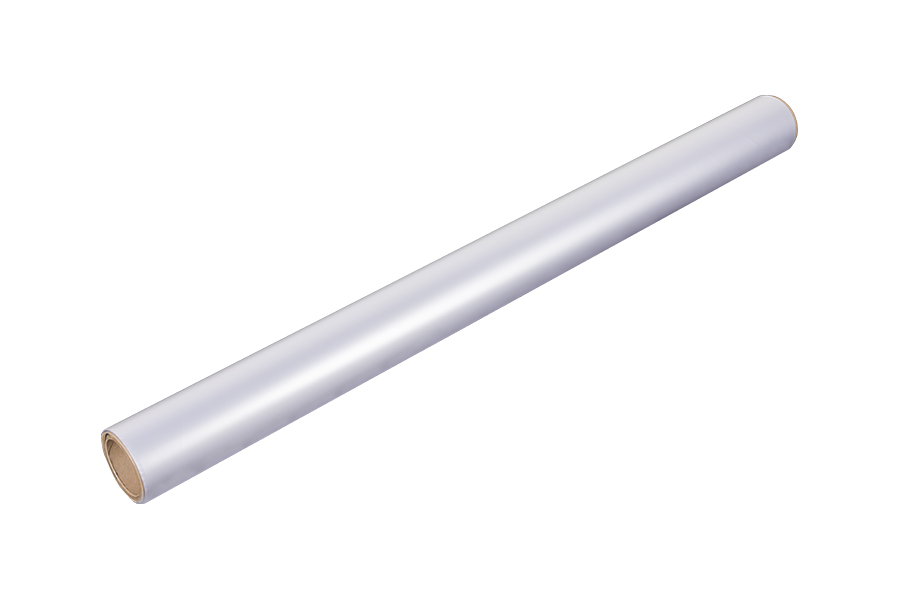
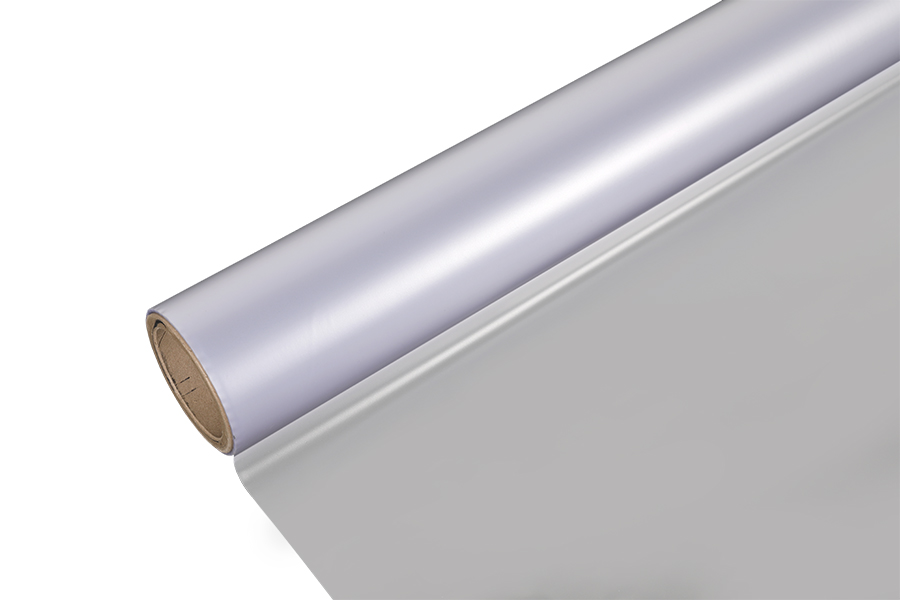
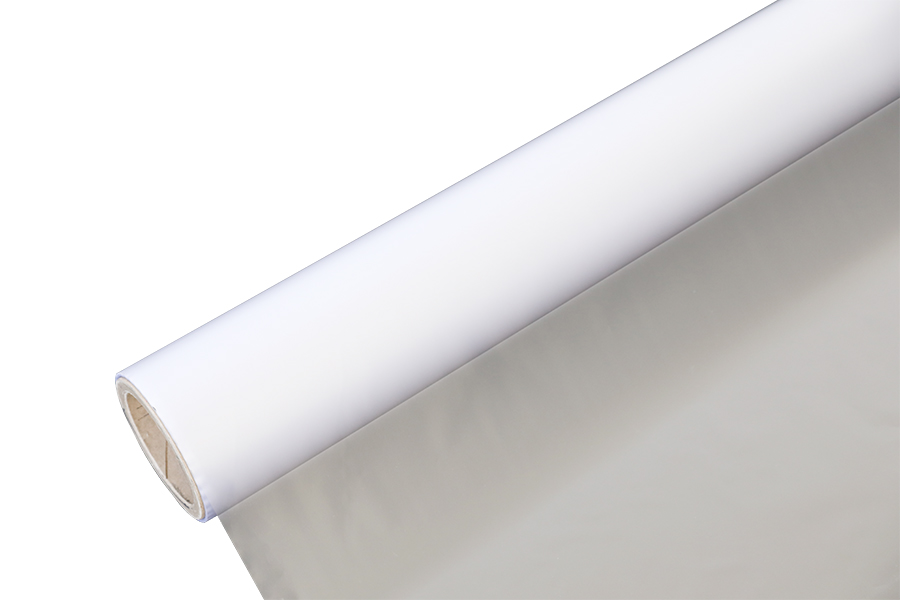
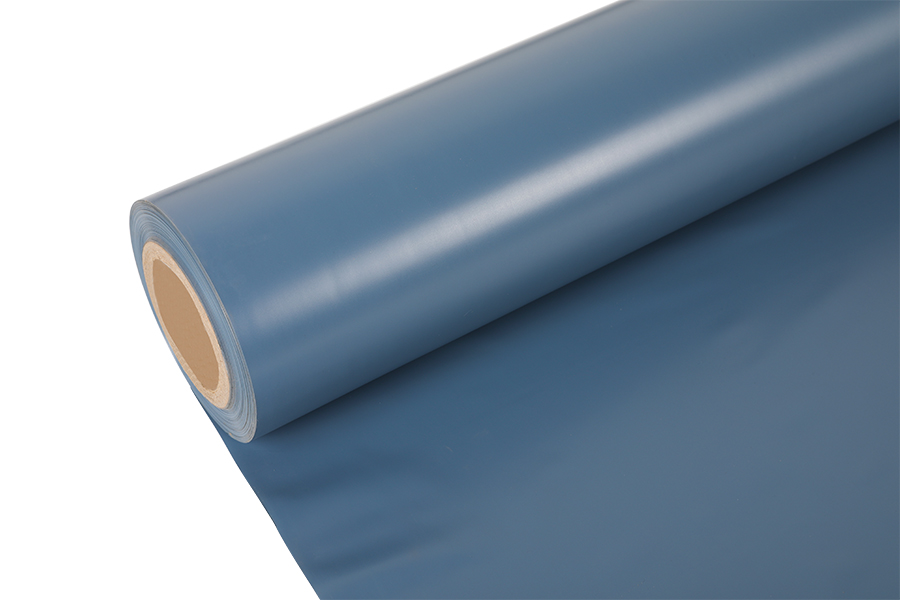
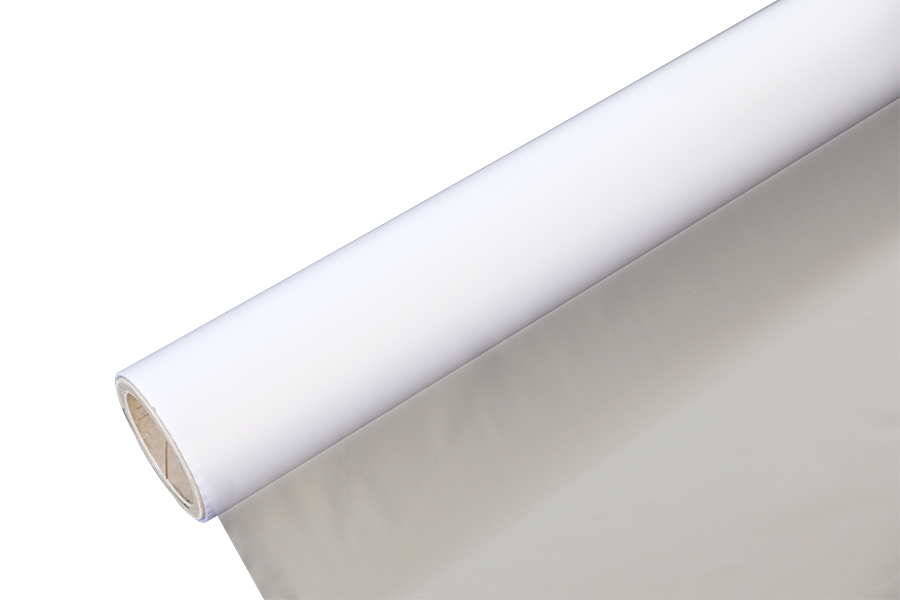
Flame retardant semi-rigid printing basement film is a specialized polymer-based substrate designed to provide enhanced fire resistance while maintaining dimensional stability and excellent printability. It serves as a base material for printed decorative panels, wall coverings, signage, packaging inserts, and functional laminated products where fire safety and visual quality are both critical.
The semi-rigid structure offers a balance between flexibility and stiffness, allowing the film to maintain flatness during printing and lamination while still being easy to process. Flame retardant additives or inherently fire-resistant polymers are integrated into the film matrix to help reduce flame spread, limit heat release, and improve compliance with fire safety standards.
Material Composition and Film Structure
This type of basement film is typically manufactured using modified PVC, PET, PP, or specialty flame-retardant polymer blends. The formulation is carefully engineered to balance fire performance, mechanical strength, surface quality, and compatibility with printing inks and coatings.
The internal structure may include single-layer or multi-layer co-extruded designs. Multi-layer constructions often separate mechanical support layers from surface printing layers, allowing optimized performance in each functional zone.
Flame Retardant Additives
Flame retardant systems may include halogen-free phosphorus compounds, nitrogen-based additives, or mineral fillers such as aluminum hydroxide. These additives help suppress combustion, promote char formation, and reduce smoke generation during fire exposure.
Semi-Rigid Mechanical Properties
The semi-rigid nature of the film ensures sufficient stiffness to prevent curling, wrinkling, or distortion during high-speed printing. At the same time, it retains enough flexibility to allow die cutting, bending, and lamination without cracking.
Fire Performance and Safety Benefits
Fire performance is a defining characteristic of flame retardant basement films. These materials are engineered to slow flame propagation and reduce ignition risk, making them suitable for use in public spaces, transportation interiors, and commercial building environments.
In fire conditions, flame retardant films can help limit flame spread, reduce dripping of molten material, and lower overall heat release rates. This contributes to improved evacuation time and reduced structural fire damage.
- Reduced flame spread and ignition risk.
- Lower heat release during combustion.
- Improved smoke suppression characteristics.
- Enhanced compliance with fire safety regulations.
Printing Compatibility and Surface Treatment
Flame retardant semi-rigid printing basement films are designed with optimized surface energy to support various printing technologies. Surface treatments such as corona, plasma, or chemical primers may be applied to enhance ink adhesion and color vibrancy.
The smooth and controlled surface topography ensures consistent dot formation and sharp image reproduction, which is essential for high-resolution decorative and branding applications.
Supported Printing Methods
These films are compatible with multiple industrial printing techniques, including:
- UV inkjet printing for fast curing and durability.
- Solvent and eco-solvent printing for strong adhesion.
- Screen printing for thick ink layers and special effects.
- Gravure and flexographic printing for high-volume production.
Dimensional Stability and Flatness Control
Dimensional stability is critical for basement films used in printing and lamination processes. Semi-rigid flame retardant films are engineered to minimize thermal expansion and contraction, reducing registration errors and misalignment during multi-pass printing.
Controlled flatness ensures smooth feeding through printing equipment and reduces downtime caused by jams or wrinkles. This is particularly important for high-speed industrial printing lines.
Lamination and Coating Compatibility
Flame retardant semi-rigid basement films are commonly used as base layers for laminated decorative and functional products. They can be combined with clear protective films, textured overlays, or adhesive layers to create finished panels with enhanced durability and appearance.
The film’s chemical resistance and surface stability help ensure strong bonding with common laminating adhesives and coatings.
Applications Across Industries
This type of film is used in a wide range of applications where fire safety, print quality, and mechanical performance are required simultaneously.
- Interior decorative panels for commercial buildings.
- Wall covering substrates and printed wall films.
- Transportation interior graphics and safety signage.
- Exhibition panels and retail display backings.
- Fire-rated decorative laminates and furniture surfaces.
Quality Control and Testing Standards
Manufacturers apply strict quality control measures to ensure consistent fire retardant performance and mechanical properties. Testing typically includes flame spread, oxygen index, smoke density, tensile strength, and surface adhesion tests.
Process monitoring during extrusion or calendaring ensures uniform thickness, controlled surface finish, and stable flame retardant distribution throughout the film.
Comparison of Standard vs Flame Retardant Basement Film
| Feature | Standard Basement Film | Flame Retardant Film |
| Fire Resistance | Low | High |
| Smoke Suppression | Limited | Enhanced |
| Printing Stability | Good | Excellent |
| Compliance Potential | Basic | Fire-rated capable |
Conclusion
Flame retardant semi-rigid printing basement film combines fire safety, mechanical stability, and high-quality print performance in a single material solution. Its ability to support decorative, functional, and safety-critical applications makes it a valuable substrate for modern commercial, architectural, and transportation environments. By integrating flame retardancy with excellent processing characteristics, this film supports both regulatory compliance and premium visual presentation.