 English
 中文简体
中文简体
 русский

Content
- 1 What Is Single Color PVC Decorative Film and How Is It Made?
- 2 Where Is Single Color PVC Decorative Film Commonly Used?
- 3 What Are the Key Performance Properties of Quality PVC Decorative Film?
- 4 How Do Different Surface Finishes Affect the Final Look and Feel?
- 5 How to Select the Right Single Color PVC Decorative Film for Your Project
- 6 What Are the Advantages of Single Color Over Patterned PVC Films?
- 7 Practical Tips for Applying and Maintaining Single Color PVC Decorative Film
What Is Single Color PVC Decorative Film and How Is It Made?
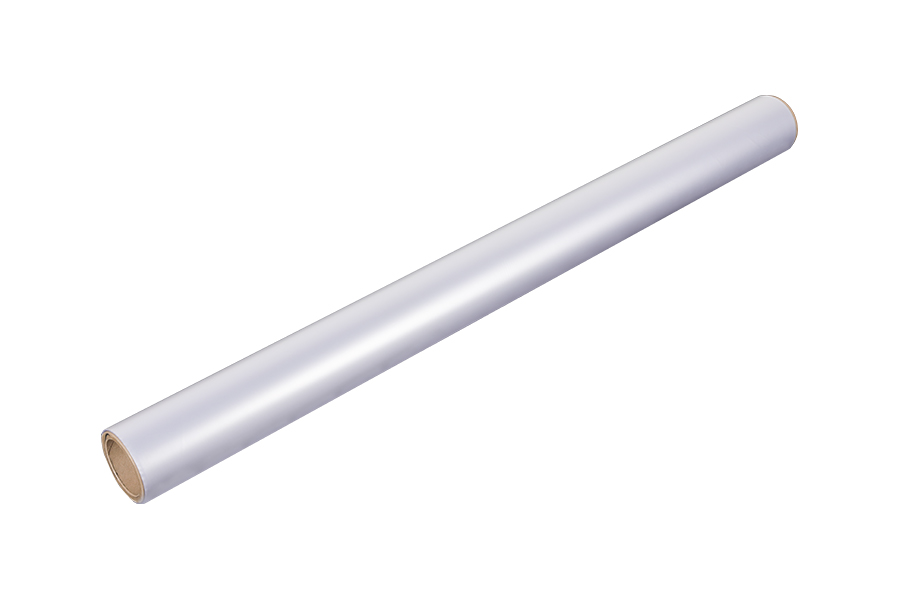
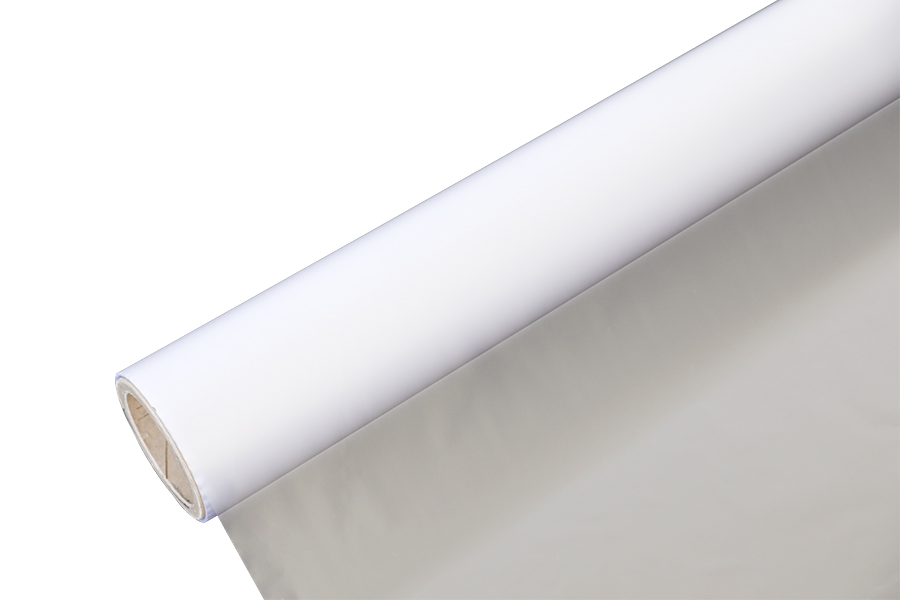
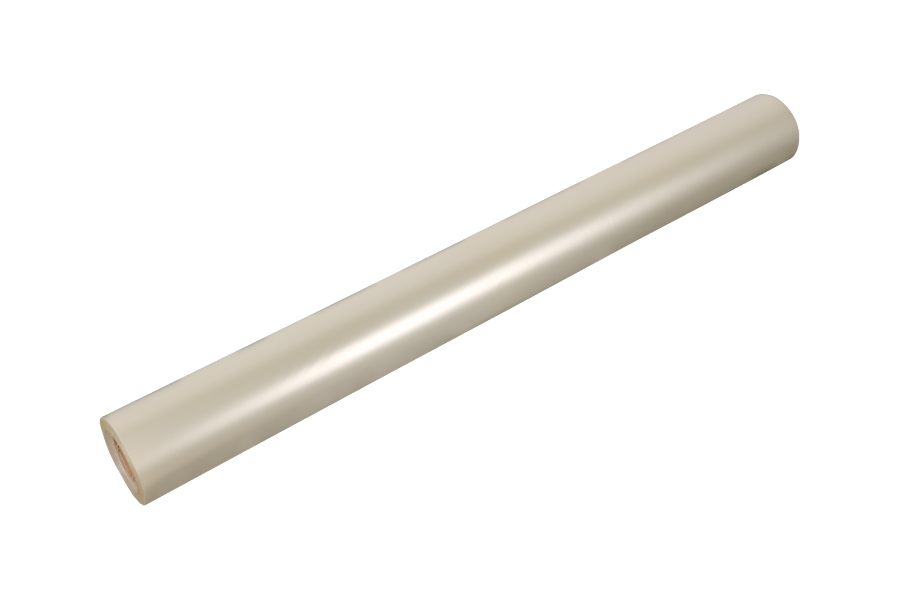
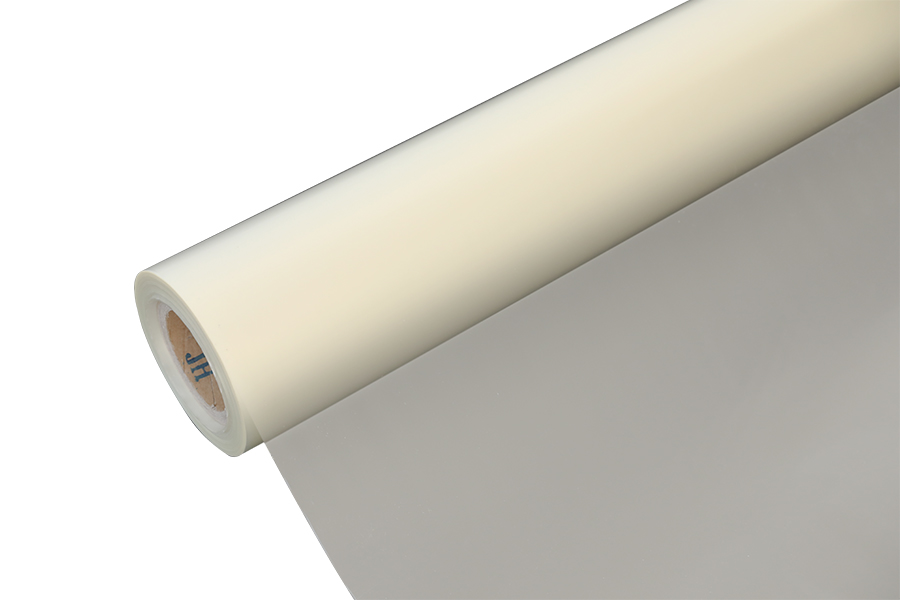
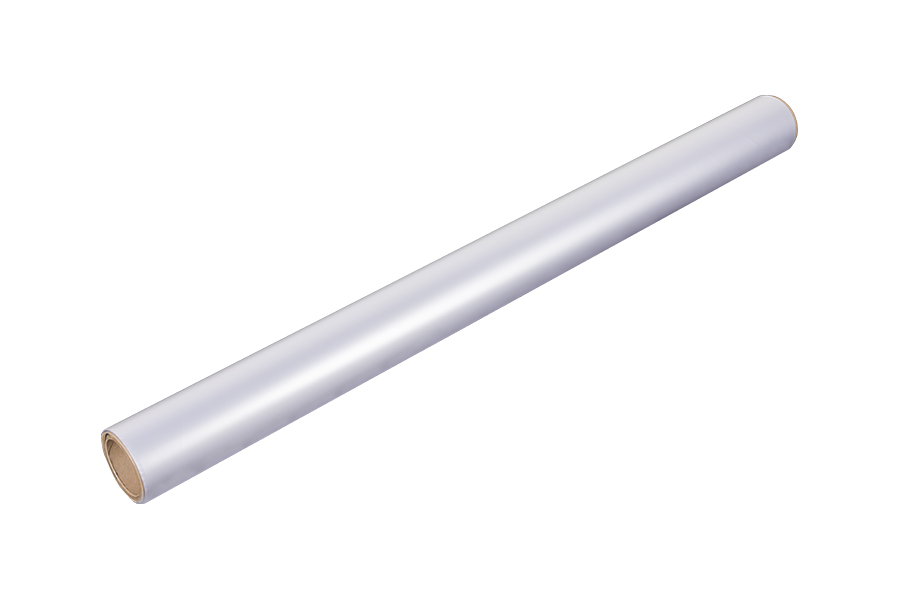
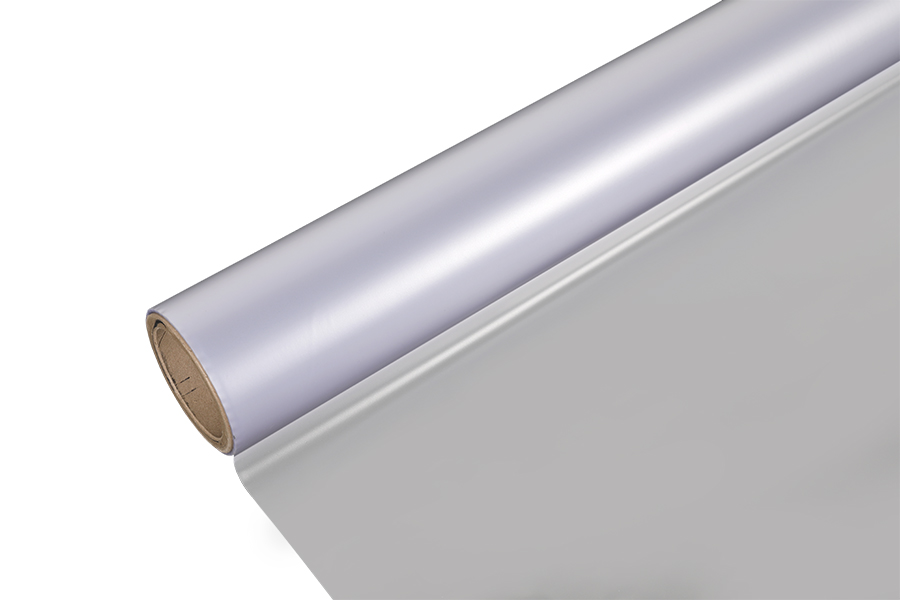
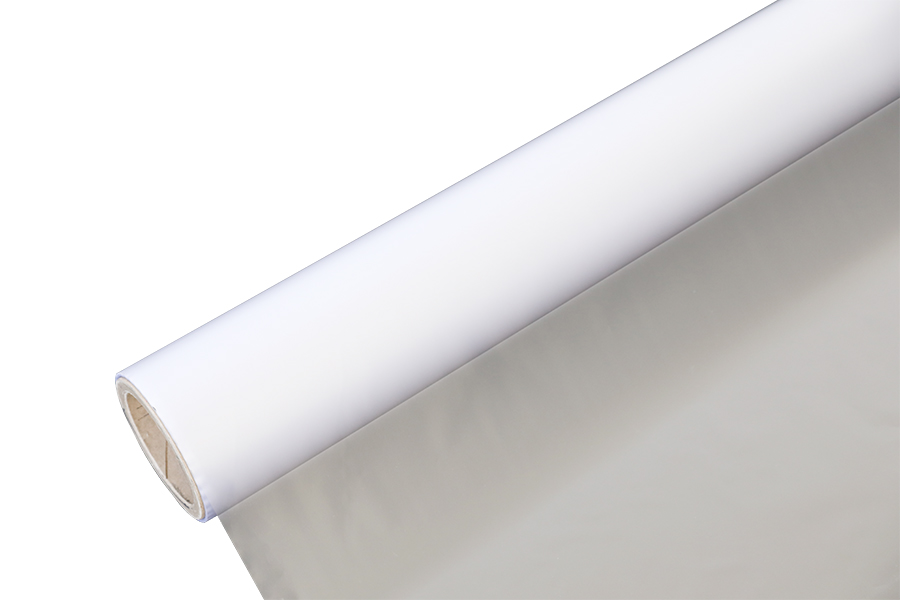
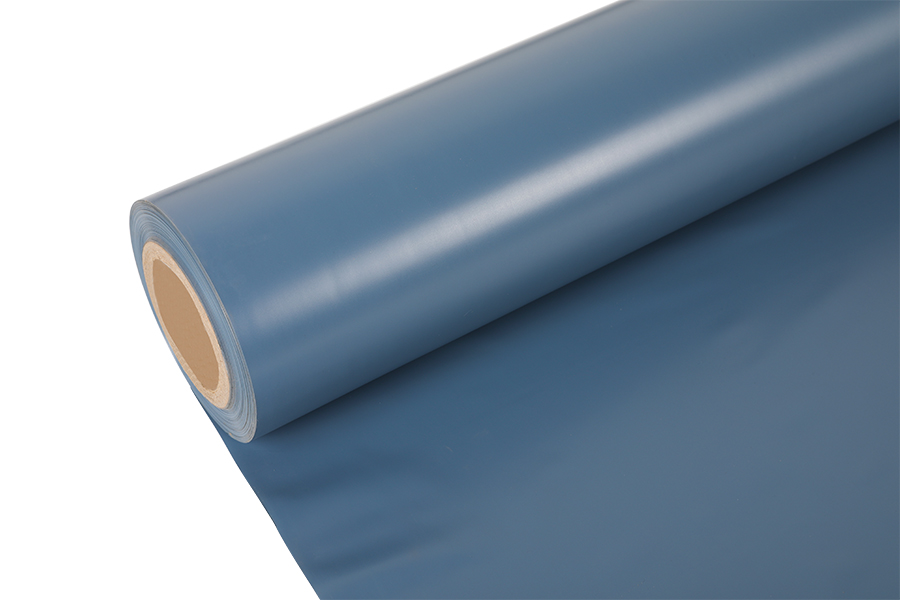
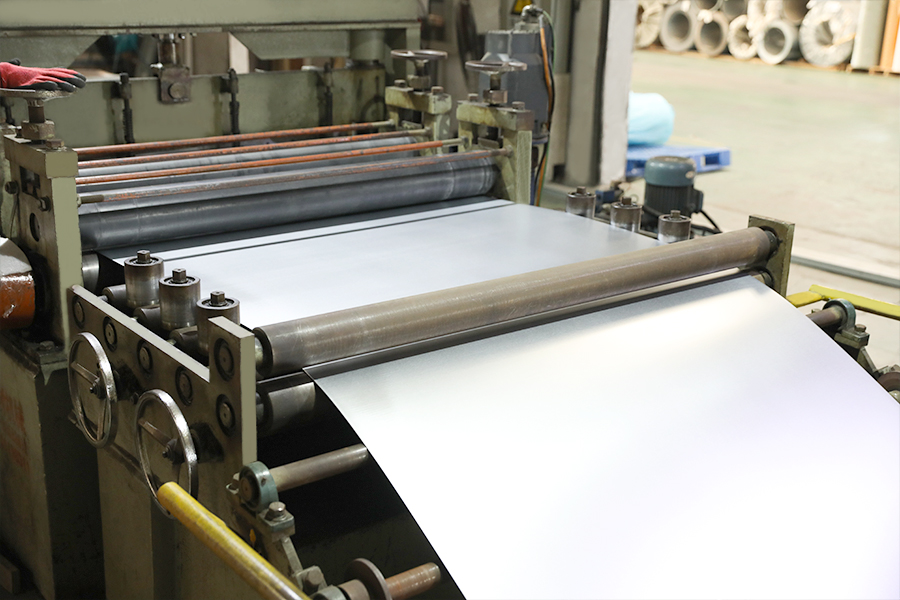
Single color PVC decorative film is a flexible, polymer-based surface material manufactured from polyvinyl chloride resin combined with plasticizers, stabilizers, pigments, and functional additives. Unlike printed or patterned films, single color variants are formulated to deliver a consistent, uniform hue across the entire surface — making them ideal for applications where visual uniformity and color accuracy are critical. The production process typically involves calendering or casting the PVC compound into thin, even sheets, which are then coated, embossed, or laminated depending on the intended end use.
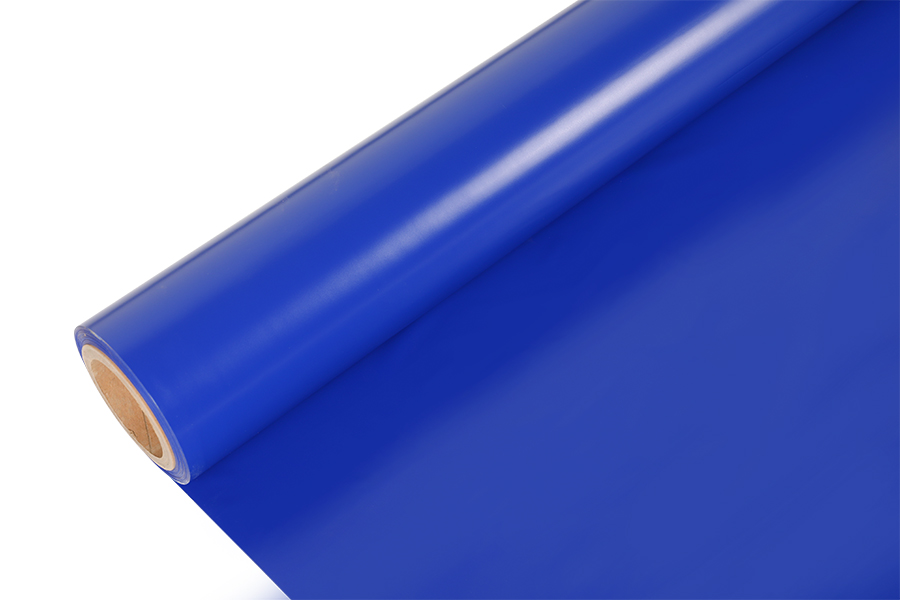
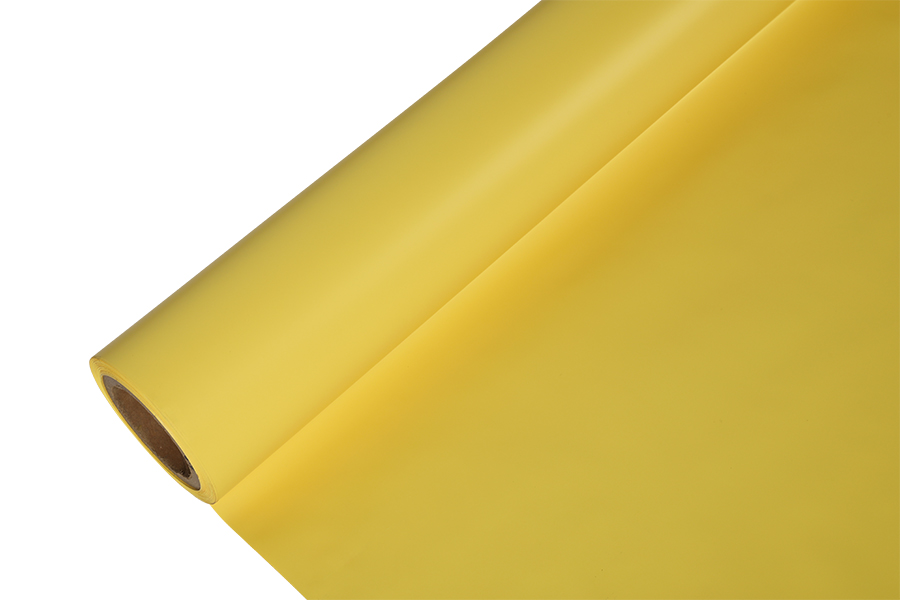
The result is a material that combines aesthetic versatility with practical performance. Single color PVC decorative films are produced in an extensive palette ranging from neutral whites, beiges, and grays to bold primary colors, deep blacks, and specialty finishes such as matte, gloss, and satin. The film is typically manufactured in thicknesses ranging from 0.1mm to 0.5mm, with the specific thickness chosen based on the substrate it will cover and the mechanical demands of the application.
Where Is Single Color PVC Decorative Film Commonly Used?
The application range of single color PVC decorative film is remarkably broad, spanning residential interiors, commercial fit-outs, furniture manufacturing, and industrial surface finishing. Its adaptability to different substrates and bonding methods makes it one of the most widely used surface covering materials in the global decoration industry.
Furniture and Cabinet Surfaces
One of the largest application areas is furniture manufacturing, particularly for flat-pack and modular furniture produced from MDF, particleboard, or plywood substrates. Single color PVC film is laminated onto panel surfaces to deliver a clean, consistent finish that is both scratch-resistant and easy to clean. Kitchen cabinet doors, wardrobe panels, TV units, and office desks are among the most common products finished with this film. The uniformity of a single color makes it especially popular in minimalist and contemporary interior styles where visual noise is kept to a minimum.
Wall Panels and Interior Cladding
Single color PVC decorative film is widely applied to wall panels used in commercial spaces such as hotels, clinics, retail stores, and office interiors. The film provides a durable, washable surface that resists the everyday wear common in high-traffic environments. Unlike paint, a PVC film finish does not chip, scuff easily, or require recoating over time, significantly reducing long-term maintenance costs.
Door Skins and Profile Wrapping
Interior door manufacturers frequently use single color PVC film to wrap door skins and frame profiles. The film conforms well to contoured and molded surfaces through a process called membrane pressing or vacuum forming, allowing complex 3D profiles to receive a seamless color coating without visible seams or joints. This approach is faster and more cost-effective than spray painting while delivering a consistently smooth surface quality.
Flooring Underlayers and Edge Banding
While thicker flooring-grade PVC films serve as wear layers in luxury vinyl products, thinner single color PVC films are used extensively in edge banding — the narrow strips applied to the exposed edges of furniture panels to create a finished, color-matched appearance. Edge banding film must have excellent adhesion to hot-melt glue systems and sufficient flexibility to wrap around curved edges without cracking.
What Are the Key Performance Properties of Quality PVC Decorative Film?
Not all single color PVC decorative films perform equally. When evaluating film quality, several technical properties directly determine how well the material will perform in real-world applications over time. Understanding these properties helps buyers, specifiers, and fabricators make informed sourcing decisions.
- Tensile strength and elongation: A film with adequate tensile strength resists tearing during handling and application, while sufficient elongation allows it to conform to curved or embossed surfaces without cracking or whitening at the bend point.
- Surface hardness: Measured by pencil hardness or scratch resistance tests, surface hardness determines how well the film resists everyday abrasion from keys, utensils, cleaning tools, and similar contact.
- Color fastness and UV resistance: High-quality films use UV-stable pigments that resist fading under light exposure, which is particularly important for films used near windows or in rooms with high natural light.
- Chemical resistance: Films used in kitchens or healthcare environments must withstand exposure to cleaning agents, disinfectants, and mild acids without discoloring or degrading.
- Dimensional stability: Quality films maintain their dimensions under temperature fluctuations, preventing lifting, bubbling, or delamination when applied to substrates in environments with variable heating or cooling.
- Formaldehyde and VOC compliance: Increasingly important for residential and healthcare projects, environmental certifications such as REACH, RoHS, and E0/E1 formaldehyde ratings indicate that the film meets safety standards for indoor air quality.
How Do Different Surface Finishes Affect the Final Look and Feel?
Within the single color category, the choice of surface finish has a major impact on the visual result and the tactile experience. The same base color can look dramatically different depending on whether the film has a high-gloss, matte, or structured surface. Each finish also has distinct practical implications for cleaning, light reflection, and visible wear over time.
| Finish Type | Visual Effect | Best Applications | Maintenance Notes |
| High Gloss | Mirror-like, reflective, vivid color depth | Kitchen cabinets, display furniture | Shows fingerprints; requires frequent wiping |
| Matte | Soft, non-reflective, understated | Wardrobes, office furniture, wall panels | Hides fingerprints; easier daily maintenance |
| Satin / Semi-Gloss | Balanced sheen, subtle luminosity | Bathroom panels, retail fixtures | Good balance of appearance and practicality |
| Soft Touch / Velvet | Tactile matte with premium feel | Luxury furniture, hospitality interiors | Sensitive to oils; clean with dry microfiber |
| Embossed / Textured | 3D surface pattern with tactile depth | Door skins, decorative wall panels | Grooves can trap dust; use soft brush |
How to Select the Right Single Color PVC Decorative Film for Your Project
Selecting the most appropriate film involves matching the material's properties to the specific demands of the application. A film that performs excellently on a bedroom wardrobe may be entirely unsuitable for a commercial kitchen surface, even if both are finished in the same color. Evaluating the following factors systematically will lead to a better outcome and fewer costly mistakes.
Start by identifying the substrate material. PVC film adhesion and flexibility requirements differ significantly between MDF, particleboard, metal, and rigid PVC substrates. Some films are formulated with specific adhesive systems optimized for particular substrate types. Confirm compatibility before committing to a large order, ideally by requesting samples and conducting a small-scale application test.
Next, consider the application method. Films intended for flat lamination in a roll press require different properties than films used in membrane pressing for 3D profiles. Membrane press films need higher elongation and heat formability, while flat lamination films prioritize dimensional stability and consistent adhesive coat weight. Specifying the wrong film type for the process will result in adhesion failures, surface defects, or premature delamination.
Environmental conditions at the end-use location also matter. High-humidity environments such as bathrooms and commercial kitchens demand films with enhanced moisture resistance and adhesive systems that do not re-emulsify under prolonged damp conditions. Outdoor or semi-outdoor applications require UV-stabilized formulations with weather-resistant topcoats. Always request the manufacturer's technical data sheet and check that the film's rated performance parameters match your project's actual environmental exposure.
What Are the Advantages of Single Color Over Patterned PVC Films?
While patterned and wood-grain PVC films have their own applications, single color films offer a distinct set of advantages that make them the preferred choice for many designers, manufacturers, and contractors.
- Pattern matching elimination: Single color films require no pattern alignment during cutting and application, which significantly reduces material waste and speeds up the fabrication process — particularly on large panel runs.
- Design flexibility: A solid color provides a neutral canvas that integrates easily with different materials, hardware finishes, and color palettes, giving designers more freedom to build cohesive interior schemes.
- Easier color matching across components: When multiple panels, edges, and profiles need to match precisely, a single color film is far easier to coordinate than a printed pattern with potential batch-to-batch variation in repeat alignment.
- Timeless aesthetic appeal: Solid colors do not date as quickly as trend-driven patterns, making single color PVC film a safer long-term investment for furniture and interiors that need to remain relevant over many years.
- Simpler reordering and stock management: Manufacturing facilities that use single color films benefit from simpler inventory management, as a single SKU covers an entire product range rather than requiring separate rolls for each pattern variant.
Practical Tips for Applying and Maintaining Single Color PVC Decorative Film
Proper application technique is critical to achieving the clean, bubble-free finish that single color films are valued for. Before lamination, the substrate surface must be thoroughly cleaned, dried, and free of dust, oils, and surface irregularities. Even minor surface contamination can cause visible adhesion failures that are impossible to correct once the film is bonded.
During application, maintain consistent temperature and pressure as specified by the film manufacturer. For hot-melt adhesive systems, incorrect temperature settings — either too low or too high — can result in poor initial bond strength or adhesive squeeze-out that contaminates the film surface. Roll application should proceed from the center outward to prevent air entrapment beneath the film layer.
For ongoing maintenance, most single color PVC decorative films can be cleaned with a damp cloth and mild detergent. Avoid abrasive scrubbing pads, solvent-based cleaners, and bleach-containing products, as these can dull the surface finish or cause discoloration over time. For matte and soft-touch finishes in particular, use only microfiber cloths to prevent surface marring. Regular gentle cleaning will keep the film looking fresh and extend its service life well beyond that of painted alternatives.