 English
 中文简体
中文简体
 русский

Content
- 1 What Is Calendered PVC Film and How Is It Made
- 2 Calendered vs. Cast PVC Film: Understanding the Core Differences
- 3 Main Types of Calendered PVC Film by Application
- 4 Key Physical Properties to Evaluate When Specifying Calendered PVC Film
- 5 Common Industries and Applications for Calendered PVC Film
- 6 Printing and Converting Calendered PVC Film
- 7 Environmental and Regulatory Considerations
What Is Calendered PVC Film and How Is It Made
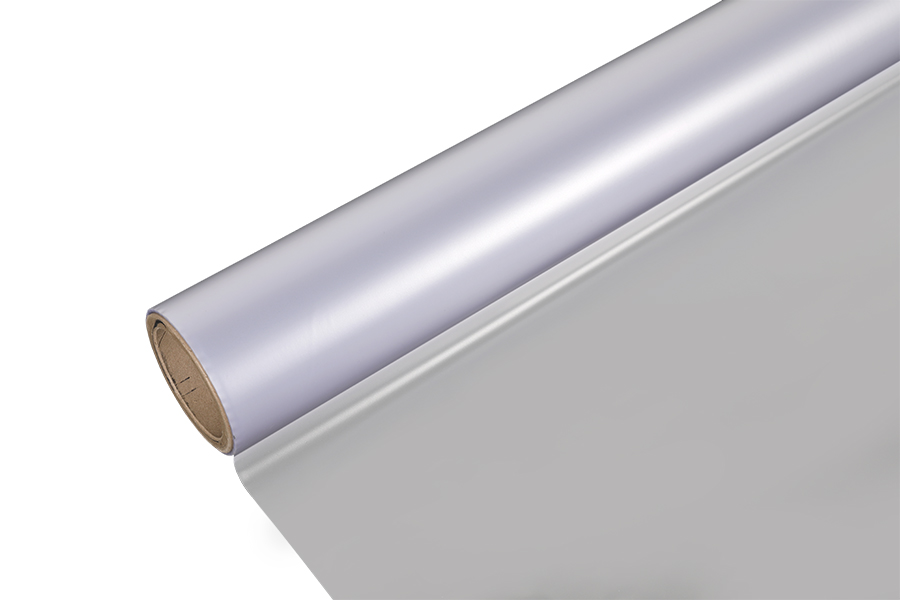
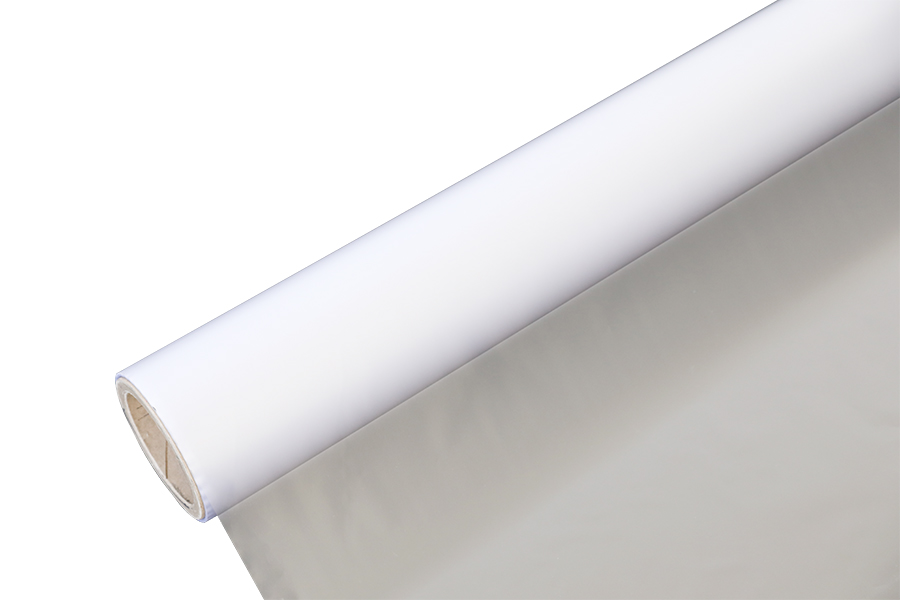
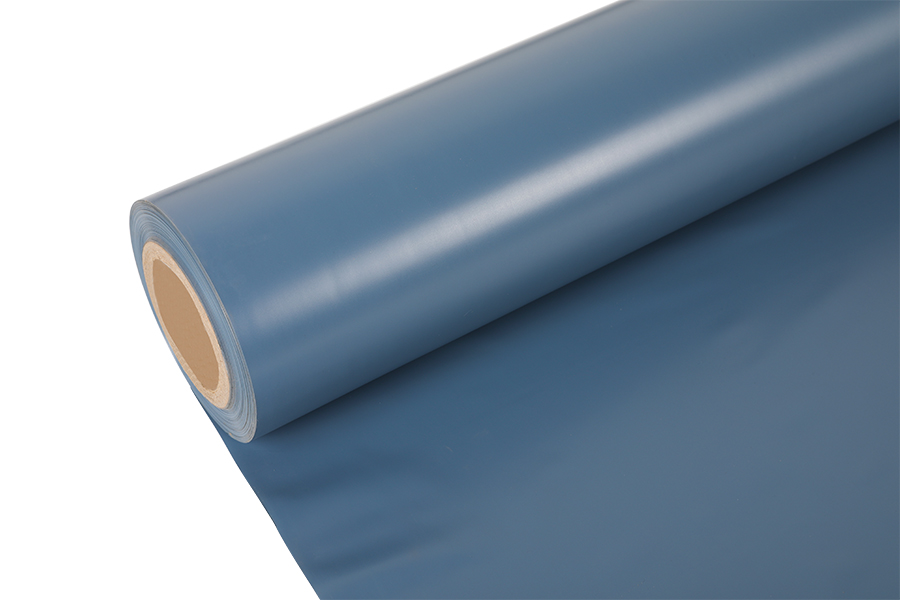
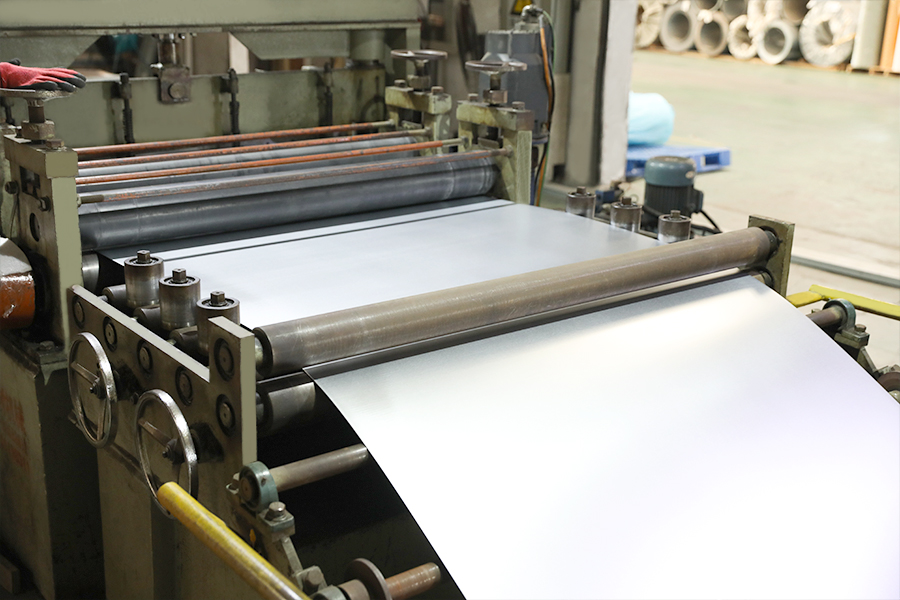
Calendered PVC film is a type of polyvinyl chloride film produced through a calendering process, in which a heated PVC compound is fed through a series of large, heated steel rollers — called a calender stack — that progressively thin and smooth the material into a continuous, uniform sheet. Unlike cast PVC film, which is produced by spreading a liquid PVC solution onto a moving belt and evaporating the solvent, calendered film is formed entirely through mechanical compression and heat. This difference in manufacturing fundamentally shapes the film's physical characteristics, cost profile, and suitability for various end uses.
The base PVC resin used in calendering is compounded with plasticizers, stabilizers, lubricants, and pigments before processing. Plasticizers — most commonly phthalates or non-phthalate alternatives such as DINP or DOTP — are added in carefully controlled ratios to achieve the desired flexibility. Stabilizers, typically calcium-zinc or organotin systems, prevent thermal degradation during the high-temperature calendering process. The final compound passes through the roller gap under precise temperature and pressure settings, typically between 150°C and 200°C, yielding a film with consistent gauge, surface texture, and mechanical properties throughout its width.
Calendered vs. Cast PVC Film: Understanding the Core Differences
The distinction between calendered and cast PVC film is critical for anyone specifying material for a graphics, labeling, or industrial application. Each process produces films with meaningfully different performance characteristics, and selecting the wrong type can result in premature failure, poor conformability, or unnecessary cost.
| Property | Calendered PVC Film | Cast PVC Film |
| Production method | Roller compression | Solvent casting on belt |
| Thickness range | 50–200+ microns | 25–100 microns |
| Dimensional stability | Moderate (memory effect) | Excellent (stress-free) |
| Conformability | Good on flat/mild curves | Excellent on complex curves |
| Cost | Lower | Higher |
| Typical service life | 3–5 years (outdoor) | 7–12 years (outdoor) |
| Best applications | Short-term graphics, interiors, industrial | Vehicle wraps, long-term signage |
The memory effect in calendered films — a tendency to shrink back toward its original dimensions over time, particularly under heat — is the key practical limitation compared to cast film. For flat surface applications or interior uses where temperatures remain stable, this is rarely a problem. However, for applications requiring film to conform tightly to riveted panels, corrugated surfaces, or compound curves and remain stable for years outdoors, cast film is the more appropriate choice.
Main Types of Calendered PVC Film by Application
Calendered PVC film is not a single product but a broad family of materials differentiated by their plasticizer content, thickness, surface finish, and additive packages. Understanding the major categories helps buyers and specifiers identify the right product for their specific requirements.
Monomeric Calendered PVC Film
Monomeric calendered PVC film uses low-molecular-weight monomeric plasticizers that are relatively inexpensive but prone to migration over time. As plasticizer migrates out of the film, the material can become stiffer, more brittle, and prone to shrinkage — a process that accelerates in high-temperature environments. Monomeric films are well-suited to short-term applications such as promotional banners, point-of-sale graphics, and temporary indoor signage where a service life of one to three years is acceptable. They are not recommended for vehicle graphics or outdoor installations expected to last more than three years.
Polymeric Calendered PVC Film
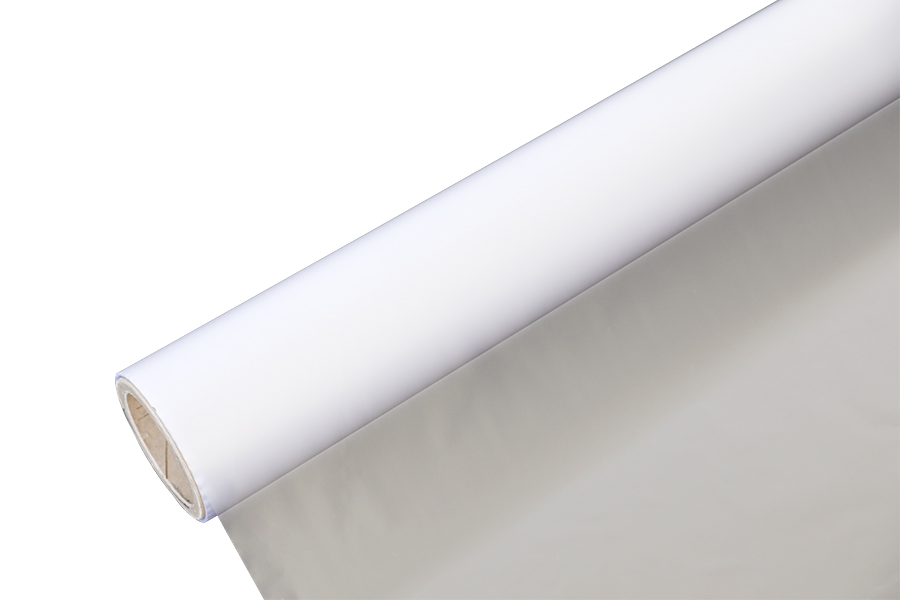
Polymeric calendered PVC film incorporates high-molecular-weight polymeric plasticizers that resist migration far more effectively than monomeric grades. The result is a film with better dimensional stability, lower shrinkage rates, improved low-temperature flexibility, and a longer usable service life — typically four to six years in outdoor environments depending on climate and UV exposure. Polymeric calendered films are a cost-effective middle ground for medium-term outdoor graphics, fleet graphics on flat truck panels, and general signage where cast film performance is not required but durability beyond monomeric grades is needed.
Rigid and Semi-Rigid Calendered PVC Film
Not all calendered PVC film is flexible. Rigid and semi-rigid grades contain little to no plasticizer and are used in entirely different applications — credit cards, blister packaging, stationery products, and medical device packaging. These films are typically thicker (200 to 500 microns or more), optically clear or opaque depending on formulation, and valued for their excellent stiffness, printability, and thermoformability. Semi-rigid grades with limited plasticizer content offer a balance between stiffness and moderate flexibility for applications like clamshell packaging or folder dividers.
Specialty and Functional Calendered PVC Film
A growing range of specialty calendered PVC films are formulated with specific functional additives for targeted end uses. Examples include flame-retardant films for wall coverings and transportation interiors, antimicrobial films for healthcare environments, anti-static films for electronics packaging, and UV-stabilized films for prolonged outdoor exposure. Metallic and pearlescent finishes achieved through calendering over embossed rollers or by incorporating metallic pigments are widely used in decorative applications such as gift wrapping, stationery, and fashion accessories.
Key Physical Properties to Evaluate When Specifying Calendered PVC Film
When reviewing technical data sheets for calendered PVC films, several properties deserve close attention to ensure the material will perform as expected in your application.
- Thickness (gauge): Measured in microns (μm) or mils (1 mil = 25.4 μm). Thicker films offer greater durability and opacity but are less conformable and more expensive. Standard self-adhesive graphic films typically range from 70 to 100 μm.
- Tensile strength and elongation at break: Tensile strength indicates how much force the film can withstand before tearing; elongation at break shows how far it can stretch. Higher elongation values (often 150–250% for flexible grades) indicate better conformability around curves and edges.
- Shrinkage rate: Expressed as a percentage change in dimensions after heat aging tests. Lower shrinkage — ideally under 1% at 70°C — is critical for applications with tight dimensional tolerances or long outdoor service requirements.
- Shore A hardness: A measure of surface hardness relevant to flexible PVC films. Lower Shore A values indicate softer, more pliable material; values around 65–80 Shore A are typical for medium-flexibility graphic films.
- Gloss level: Measured in gloss units (GU) at a standard angle (typically 60°). High-gloss films (80+ GU) produce vibrant colors; matte films (under 20 GU) are preferred for anti-glare applications or textured aesthetics.
- Opacity and whiteness: For printed graphic films, high opacity (typically 95%+) ensures printed colors appear true without substrate show-through. Whiteness index affects color accuracy, particularly for white-based designs.
Common Industries and Applications for Calendered PVC Film
The versatility of calendered PVC film means it appears across a remarkably wide range of industries. Its combination of processability, printability, and cost-effectiveness makes it the default choice for many high-volume applications where performance requirements are clearly defined.
- Advertising and signage: Calendered PVC film is the dominant substrate for short- to medium-term outdoor banners, retail window graphics, floor graphics, and backlit displays. Solvent, eco-solvent, UV, and latex inkjet printing all adhere effectively to properly coated calendered PVC surfaces.
- Construction and architecture: Flexible calendered PVC is laminated onto wall panels, used as protective surface films on flooring products, applied as decorative laminates on furniture and cabinetry, and formed into window profile gaskets and edge banding strips.
- Packaging: Rigid and semi-rigid calendered PVC films are thermoformed into blister packs, clamshell containers, and tray inserts for consumer goods, electronics, and pharmaceutical products. Their clarity, rigidity, and barrier properties make them well-suited to transparent packaging formats.
- Stationery and printing: Clear and colored calendered PVC films are converted into document sleeves, card holders, ring binder covers, and presentation folders. The material's printability, dimensional stability, and relatively low cost suit it well for high-volume stationery production.
- Medical and hygiene products: Medical-grade calendered PVC film — formulated with approved, non-toxic plasticizers and stabilizers — is used in examination gloves, IV bags, blood tubing, and sterile packaging. Regulatory compliance with FDA, EU REACH, and RoHS standards is mandatory in this sector.
Printing and Converting Calendered PVC Film
Calendered PVC film is compatible with a wide range of printing and converting processes, but surface preparation and ink or adhesive compatibility must be matched carefully to the film grade in use. Most flexible calendered PVC films intended for graphics applications are supplied with a surface coating or corona treatment that promotes ink adhesion and prevents crawling or bead-up during printing.
Solvent-based inkjet printing remains the most common method for wide-format graphics on self-adhesive calendered PVC, offering excellent adhesion, color gamut, and outdoor durability when paired with appropriate lamination. UV-curable inkjet systems provide faster cure times and lower solvent emissions. Screen printing is widely used for high-opacity spot colors and specialty inks on calendered PVC in packaging and industrial applications. Rotogravure and flexographic printing are preferred for high-volume roll-to-roll production such as decorative laminates and packaging films.
Converting operations including slitting, die-cutting, embossing, laminating, and heat-sealing are all routinely performed on calendered PVC. The film's thermoplastic nature makes it straightforward to heat-seal using standard equipment, which is particularly valuable in packaging and medical device assembly. When cutting calendered PVC with steel-rule dies, blade sharpness is critical — dull blades cause edge tearing and delamination on adhesive-backed constructions.
Environmental and Regulatory Considerations
Calendered PVC film, like all PVC products, faces ongoing scrutiny regarding its environmental footprint and the chemical profile of its additives. Key regulatory frameworks affecting product specification include the EU's REACH regulation, which restricts specific phthalate plasticizers (DEHP, DBP, BBP, DIBP) in consumer articles above 0.1% by weight; RoHS directives limiting heavy metal stabilizers in electrical and electronic applications; and California's Proposition 65, which requires disclosure of chemicals above threshold levels in products sold in the state.
Manufacturers have responded by transitioning to non-phthalate plasticizers such as DINP, DIDP, DOTP, and citrate esters, and replacing lead- and cadmium-based stabilizer systems with calcium-zinc alternatives. Buyers specifying calendered PVC film for regulated applications — particularly children's products, food contact, medical use, or EU market distribution — should request full compliance documentation including REACH declarations, RoHS certificates, and plasticizer composition confirmation. Sourcing from manufacturers with ISO 9001 certification and third-party testing relationships provides additional assurance of consistent compliance.