 English
 中文简体
中文简体
 русский

Content
- 1 What PVC Decorative Film Is and How It Is Manufactured
- 2 Key Types of PVC Decorative Film and Their Differences
- 3 Performance Properties That Define Quality in PVC Decorative Film
- 4 Primary Applications Across Furniture, Architecture, and Retail
- 5 Application Methods: Thermal Lamination vs. Self-Adhesive Installation
- 6 Comparing PVC Decorative Film to Alternative Surface Finishing Options
- 7 Sustainability and Compliance Considerations
Surface finishing is one of the most consequential decisions in interior design, furniture manufacturing, and architectural fit-out. Among the wide array of options available today, PVC decorative film has carved out a dominant position across both residential and commercial applications. Lightweight, cost-effective, and available in an almost limitless range of textures and patterns, PVC decorative film offers a practical alternative to solid wood veneers, laminates, paint, and stone cladding. Understanding what it is, how it performs, and where it excels will help designers, contractors, and homeowners make better-informed decisions about surface finishing projects of any scale.
What PVC Decorative Film Is and How It Is Manufactured
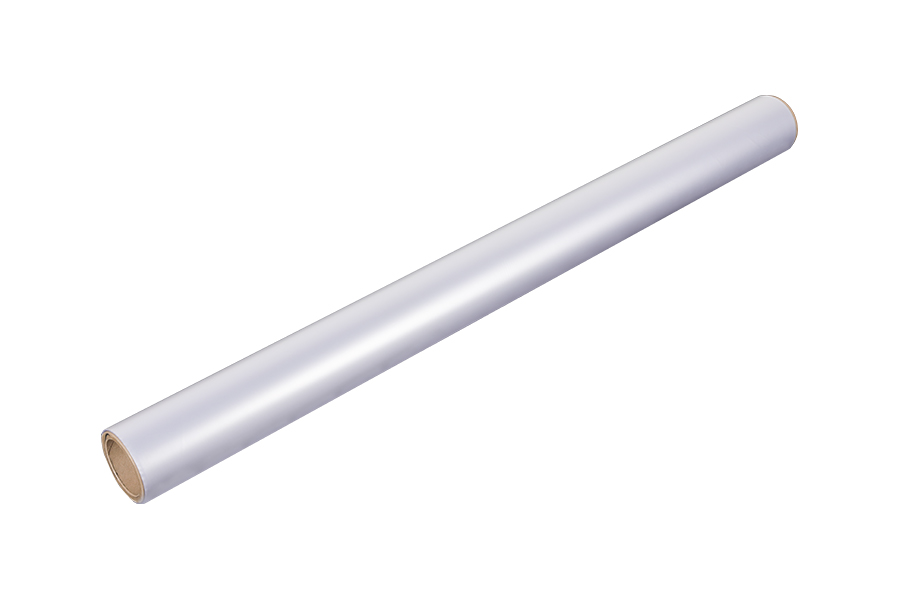
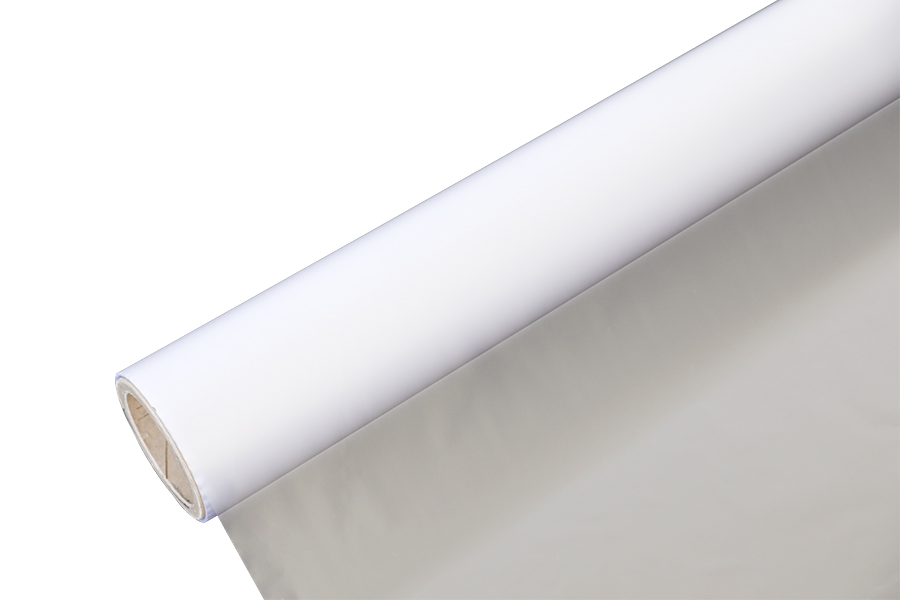
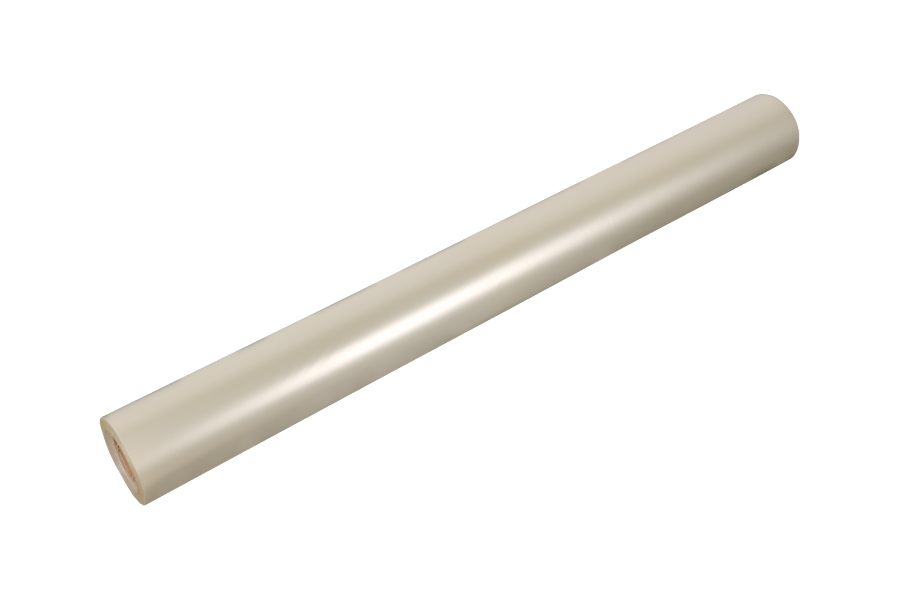
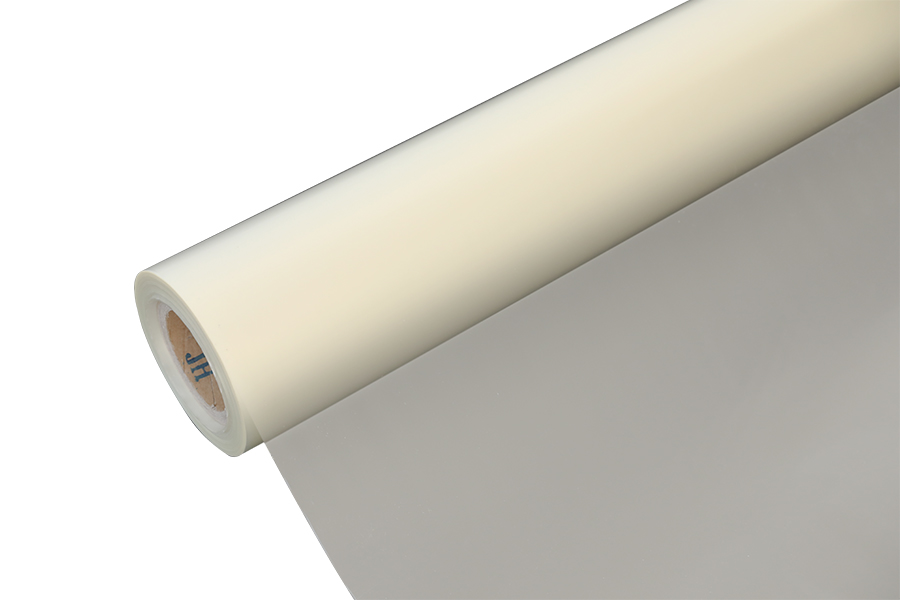
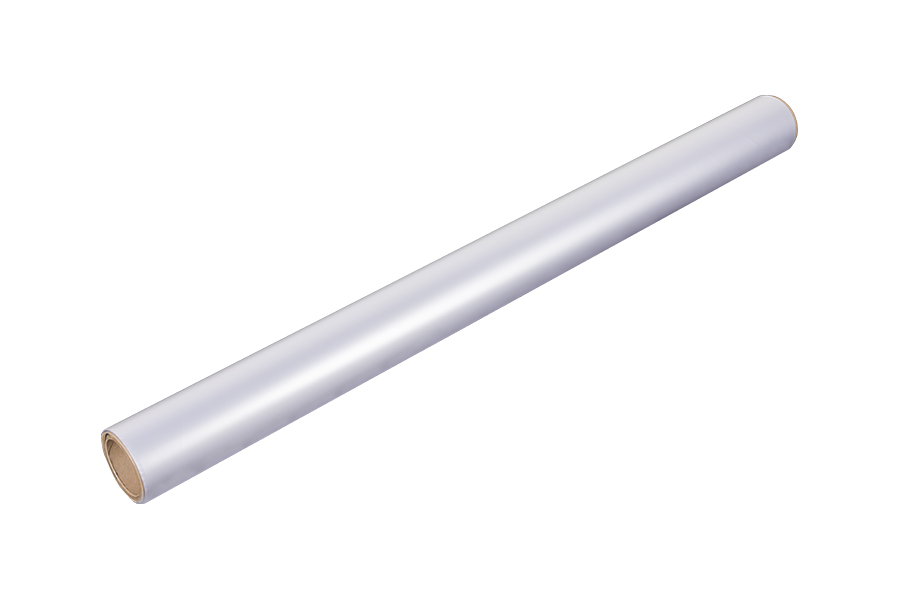
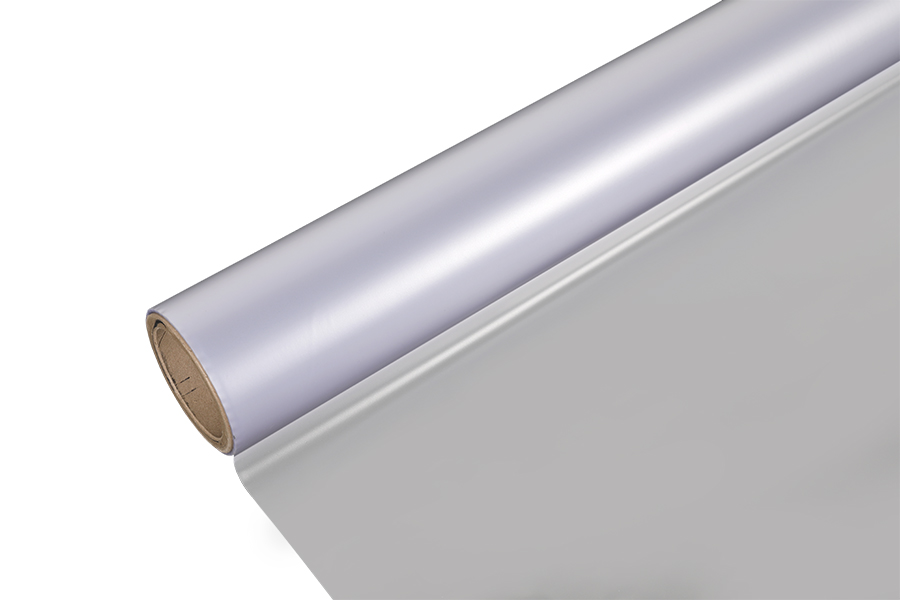
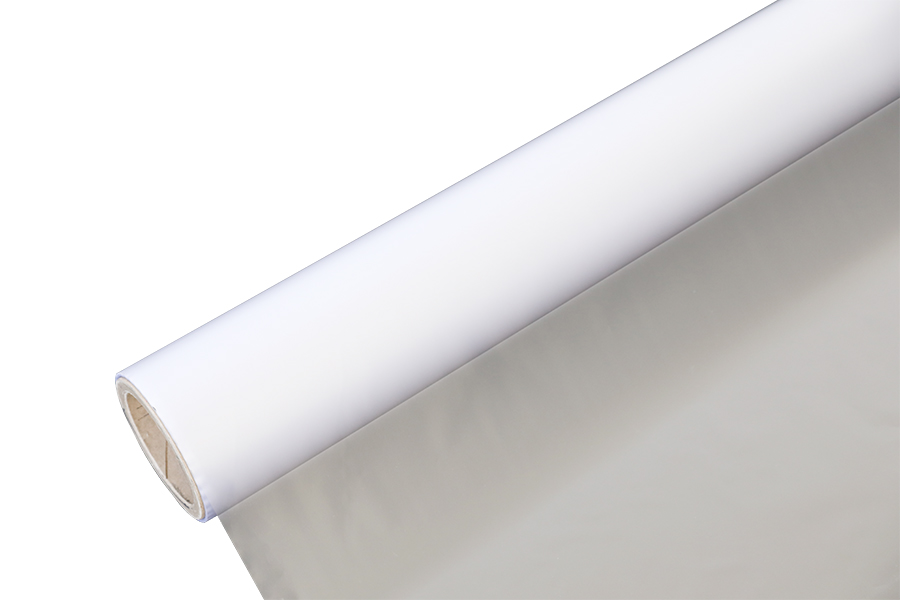
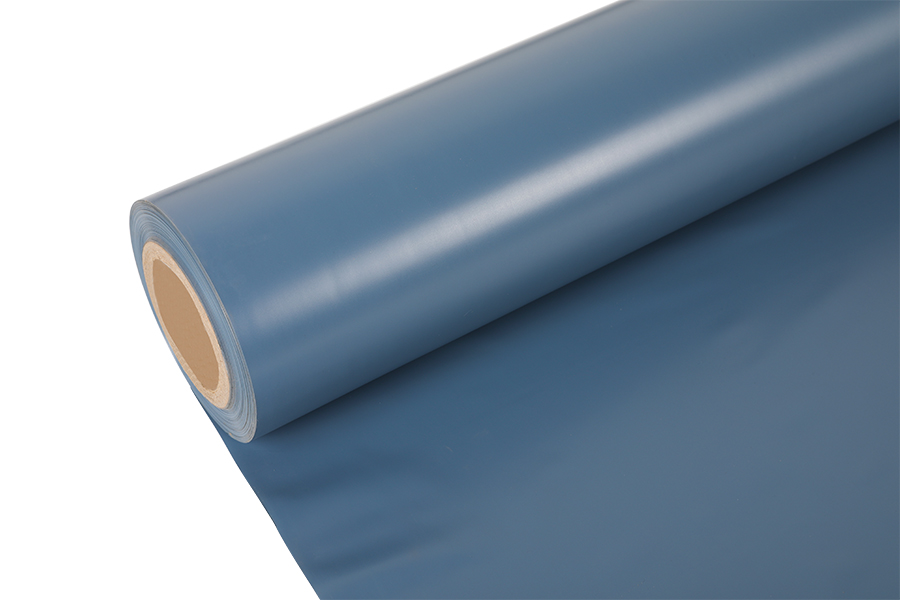
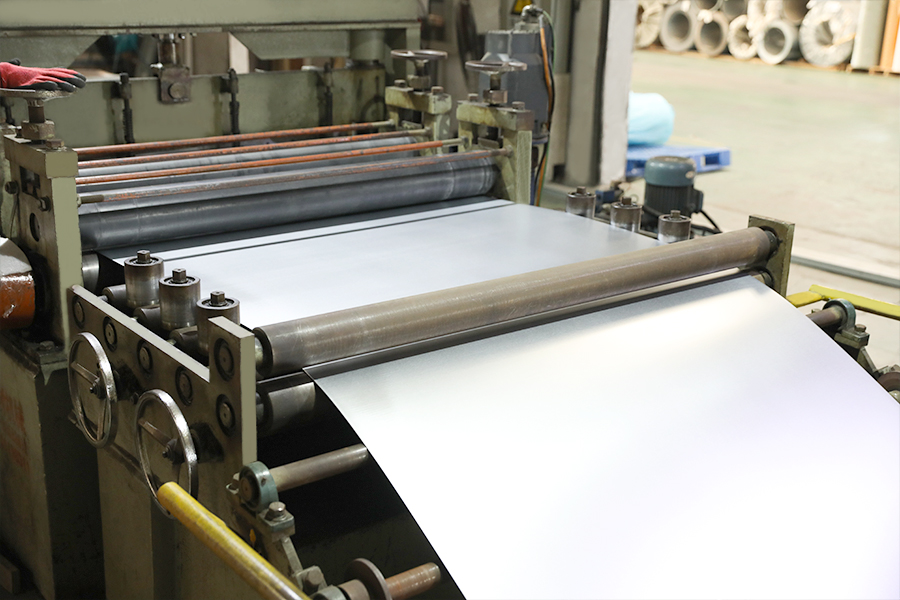
PVC decorative film is a thin, flexible sheet material made primarily from polyvinyl chloride resin, combined with plasticizers, stabilizers, pigments, and functional additives. The film is produced through a calendering or casting process, where the PVC compound is pressed between heated rollers to form a continuous sheet of precise thickness — typically ranging from 0.07mm to 0.5mm depending on the intended application. During production, decorative patterns such as wood grain, marble, fabric textures, solid colors, or abstract geometric designs are printed onto the film surface using high-resolution gravure or digital printing technology.
A protective topcoat — most commonly a UV-cured lacquer or a matte/gloss varnish layer — is then applied over the printed surface to enhance scratch resistance, chemical resistance, and color fastness. The reverse side of the film is typically coated with a pressure-sensitive adhesive (PSA) protected by a release liner, or left uncoated for thermal lamination processes used in furniture panel manufacturing. The result is a versatile surface material that can mimic premium natural materials with remarkable visual fidelity at a fraction of the cost.
Key Types of PVC Decorative Film and Their Differences
Not all PVC decorative films perform identically. The market offers several distinct product categories, each engineered for specific substrates, environments, and application methods. Selecting the wrong type for a given project leads to adhesion failures, surface bubbling, or premature wear.
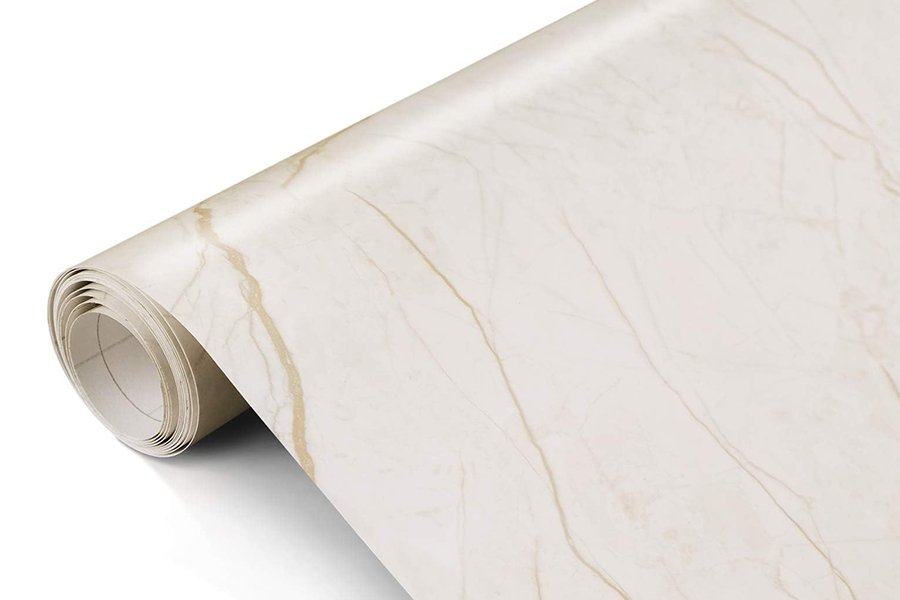
Calendered PVC Film
Produced by the calendering process, this is the most widely used and cost-effective type. It has a degree of memory — meaning it tends to return toward its original flat shape if stretched — making it best suited for flat or gently curved surfaces. Calendered film is commonly used for furniture wrapping, wall panels, and cabinet doors where complex curves are not required. Typical thickness ranges from 0.12mm to 0.35mm.
Cast PVC Film
Cast film is manufactured by spreading liquid PVC compound onto a casting sheet and curing it, resulting in a film with virtually no internal stress. This makes it highly conformable and capable of wrapping tightly around complex three-dimensional shapes, deep recesses, and sharp inside corners without lifting, wrinkling, or tearing. Cast PVC decorative film is the preferred choice for vacuum membrane pressing of MDF profiles, kitchen cabinet doors with routed designs, and curved architectural elements. It is more expensive than calendered film but delivers superior long-term adhesion on complex geometries.
Self-Adhesive Decorative Film
This category includes films with a pre-applied pressure-sensitive adhesive backing, making them suitable for direct application by end users or installers without specialized equipment. They are widely used for furniture refacing, wall decoration, shelf lining, and retail display surfaces. Premium self-adhesive films feature air-release channels in the adhesive layer that allow bubbles to be squeegeed out during application, dramatically improving installation results on large flat surfaces.
Performance Properties That Define Quality in PVC Decorative Film
When evaluating PVC decorative film for a specific project, several measurable performance properties determine whether the product will meet long-term expectations. The table below summarizes the most important quality indicators and their practical significance:
| Performance Property | Standard / Typical Value | Practical Importance |
| Scratch Resistance | ≥ 3H pencil hardness | Prevents surface marring from daily contact with keys, utensils, and tools |
| Abrasion Resistance | Taber test ≥ 500 cycles | Critical for high-traffic surfaces such as flooring overlays and commercial countertops |
| UV Resistance | ΔE ≤ 3 after 500h xenon arc exposure | Prevents fading and yellowing in applications exposed to natural light |
| Chemical Resistance | Resistant to ethanol, mild acids, alkalis | Essential for kitchen, bathroom, and laboratory surface applications |
| Elongation at Break | 100% – 300% | Higher elongation enables wrapping around curved and profiled substrates |
| Fire Rating | B1 or B2 (EN 13501-1) | Required for commercial interiors and public buildings under building codes |
| Formaldehyde Emission | E0 or E1 class | Affects indoor air quality compliance and green building certifications |
Primary Applications Across Furniture, Architecture, and Retail
The versatility of PVC decorative film is reflected in the breadth of industries and applications it serves. Its combination of visual flexibility, physical durability, and installation practicality makes it suitable for uses that range from mass-market flat-pack furniture to bespoke commercial interiors.
- Furniture Manufacturing: PVC decorative film is extensively used in the production of flat-pack and ready-to-assemble (RTA) furniture. It is thermally laminated onto MDF, particleboard, and plywood panels to produce kitchen cabinet doors, wardrobe panels, office desks, and shelving units. The film provides a durable, moisture-resistant surface that eliminates the need for painting or varnishing in the factory finishing process.
- Interior Wall Cladding: Rigid PVC decorative film laminated onto PVC or aluminum substrate boards creates wall cladding panels used in residential feature walls, commercial lobbies, retail store interiors, and hospitality fit-outs. Wood grain, concrete, and marble-effect films are particularly popular for creating premium-looking feature walls without the cost or installation complexity of natural materials.
- Door Surfacing: Interior doors finished with vacuum-pressed PVC decorative film are a dominant product category in both residential new-build and renovation markets. The membrane pressing process allows the film to conform precisely to routed panel profiles, creating doors with three-dimensional visual depth that closely replicates solid wood craftsmanship at a fraction of the material cost.
- Retail Display and Shop Fitting: Self-adhesive PVC decorative films are widely used for counter wrapping, display shelving, brand wall graphics, and seasonal store refreshes. They allow retailers to rapidly change the visual environment without permanent structural modifications, making them cost-effective for franchise rollouts and promotional campaigns.
- Appliance and Electronics Surfaces: Thin, formable PVC decorative films are used as surface coverings for household appliances such as refrigerators, washing machines, and air conditioning units, providing color customization and a protective layer against minor scratches and fingerprints.
Application Methods: Thermal Lamination vs. Self-Adhesive Installation
The two primary methods of applying PVC decorative film require fundamentally different equipment and skill levels. Thermal lamination — used in industrial furniture production — involves applying heat and pressure to bond the film permanently to the substrate using a hot-melt adhesive layer. This process, conducted on flat-bed or roller laminating machines at temperatures between 80°C and 130°C, produces an extremely durable bond with no visible edge lifting, making it the standard for high-volume panel production.
Vacuum membrane pressing is the thermal method used for three-dimensional profiles and routed door faces. The MDF component is placed on a heated vacuum table, the film is laid over it, and atmospheric pressure from above presses the softened film tightly into every contour of the profile as vacuum is drawn from below. Cycle times typically range from 60 to 180 seconds per press cycle depending on film thickness and profile complexity.
Self-adhesive film installation, used for renovation and decorative purposes, requires thorough substrate preparation as the most critical success factor. The substrate must be clean, dry, smooth, and free from grease, dust, and loose particles. Primer application is recommended for porous substrates or surfaces in high-humidity environments to maximize long-term adhesion. Application is performed using a squeegee tool at a low angle, working from the center outward to prevent air entrapment. Heating the film with a heat gun during application on curved surfaces improves conformability and ensures the adhesive seats fully into surface texture.
Comparing PVC Decorative Film to Alternative Surface Finishing Options
Understanding where PVC decorative film stands relative to competing surface finishing solutions helps clarify when it is the optimal choice and when alternatives may be more appropriate.
- vs. Melamine Paper: Melamine-impregnated paper is cheaper and more rigid, making it suitable for flat panel surfaces. However, it cannot be used on profiles or curved surfaces without cracking, and it offers lower impact resistance. PVC film's superior flexibility and profile-wrapping capability make it the preferred choice wherever three-dimensional shapes are involved.
- vs. Real Wood Veneer: Natural wood veneer delivers authentic grain aesthetics and premium tactile quality, but it is significantly more expensive, requires skilled installation, is susceptible to moisture damage, and shows natural variation that complicates large-scale matching. PVC decorative film offers consistent pattern repeatability, better moisture resistance, and far lower cost per square meter.
- vs. High-Pressure Laminate (HPL): HPL is harder and more impact-resistant than PVC film, making it better suited for worktop surfaces subject to heavy mechanical stress. However, HPL cannot conform to curved profiles without post-forming grades, is heavier, and costs substantially more. PVC film wins on flexibility, weight, and cost for vertical and light-duty horizontal surfaces.
- vs. Paint: Paint allows unlimited color customization but requires surface preparation, multiple coats, drying time, and skilled application to achieve a quality finish. PVC decorative film provides an immediately finished surface with consistent texture and sheen, requires no drying time, and can be applied over existing finishes in renovation scenarios without stripping.
Sustainability and Compliance Considerations
Environmental scrutiny of PVC-based products has intensified in recent years, and manufacturers of decorative film have responded with significant formulation improvements. Lead and cadmium stabilizers, once common in PVC production, have been largely replaced by calcium-zinc (Ca-Zn) and organic stabilizer systems that comply with RoHS, REACH, and EN 71-3 toy safety standards. Phthalate plasticizers such as DEHP, DBP, and BBP — restricted under REACH Annex XVII — are now routinely substituted with non-phthalate alternatives including DOTP and DINCH in products intended for indoor residential applications.
For projects seeking green building certification under systems such as LEED, BREEAM, or WELL, specifying PVC decorative film with low-VOC adhesives, E0-class formaldehyde emission ratings, and verified compliance with relevant chemical restriction standards is essential. Requesting third-party test reports from accredited laboratories — rather than relying solely on manufacturer declarations — ensures that compliance claims can withstand scrutiny during building certification audits. With the right product selection and due diligence, PVC decorative film can be used confidently in environmentally responsible design and construction projects.