 English
 中文简体
中文简体
 русский

Content
What Semi-Rigid Printing Opaque Film Is Made For
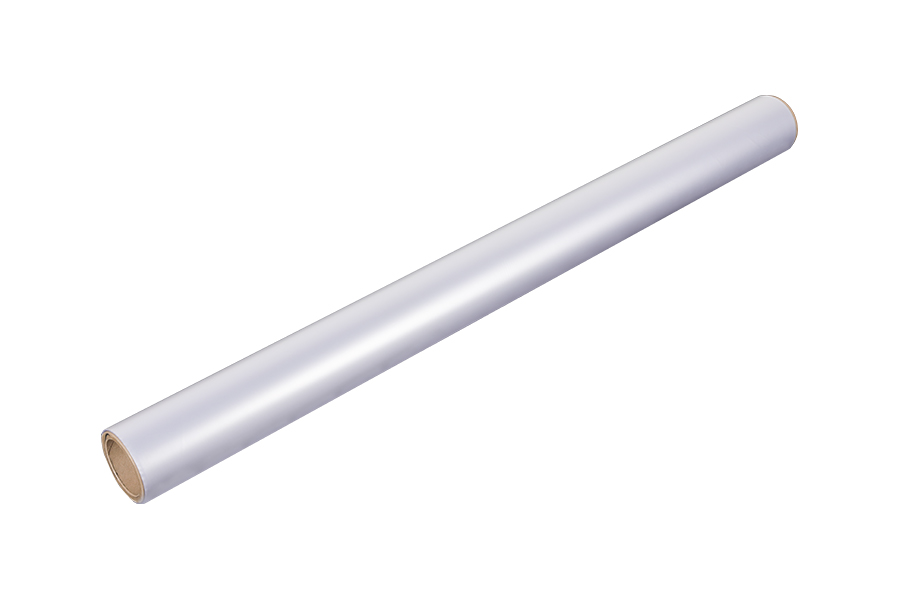
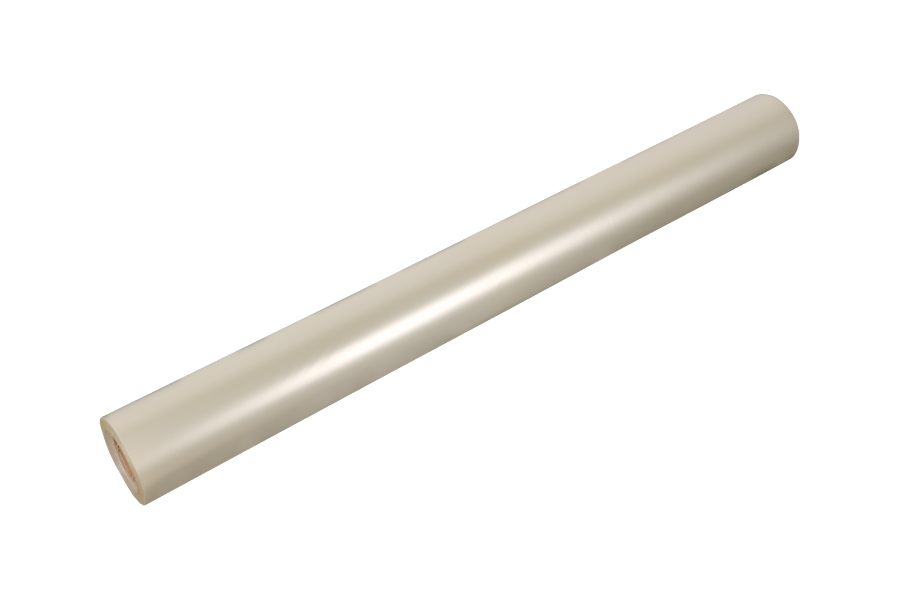
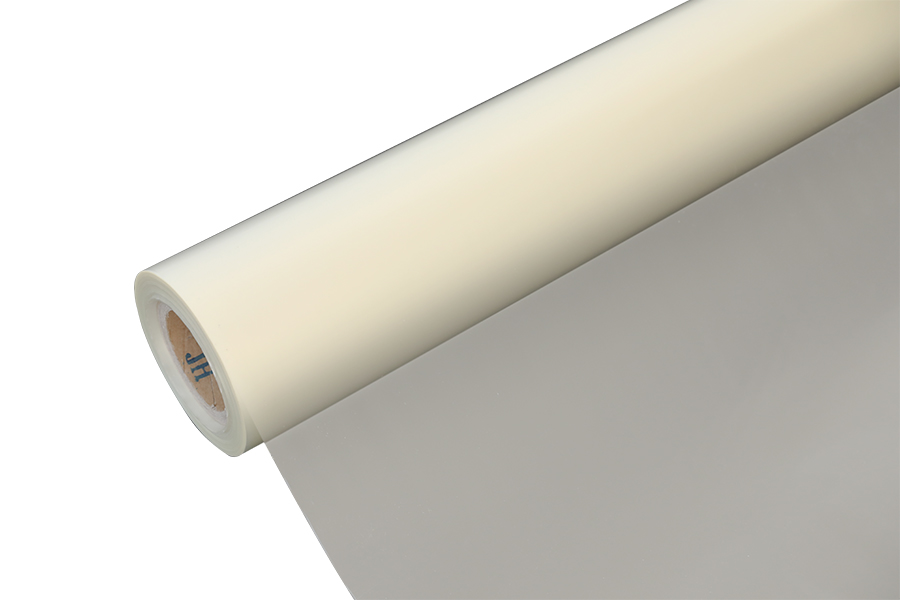
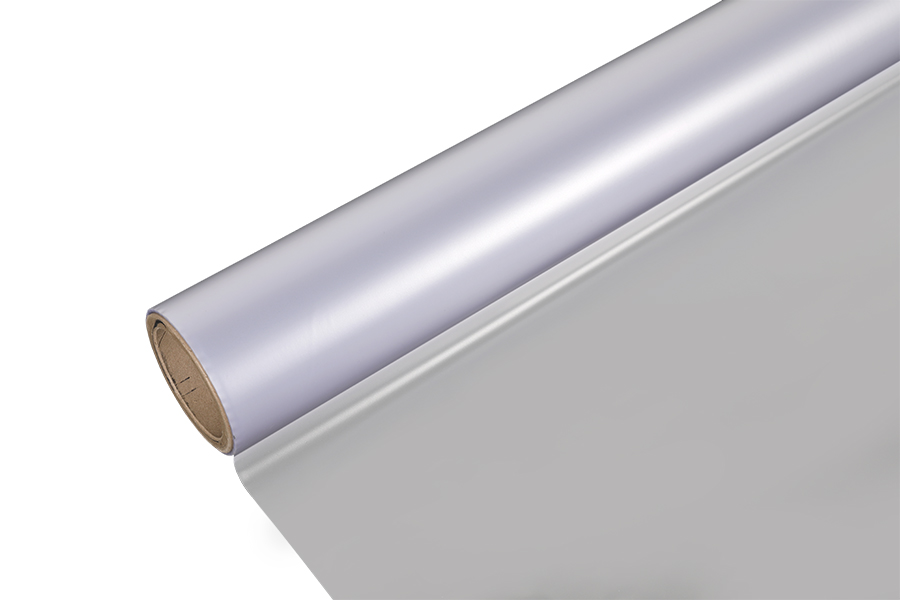
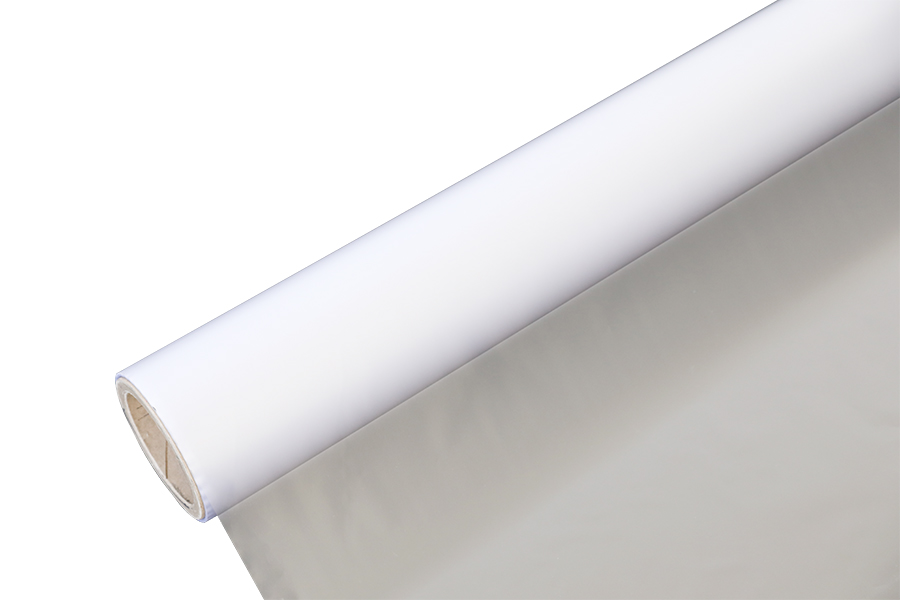
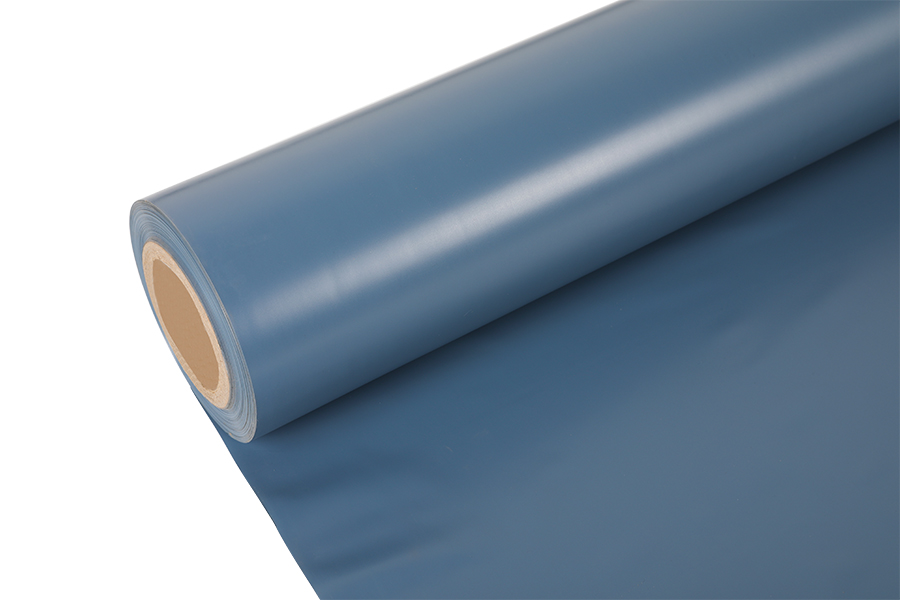
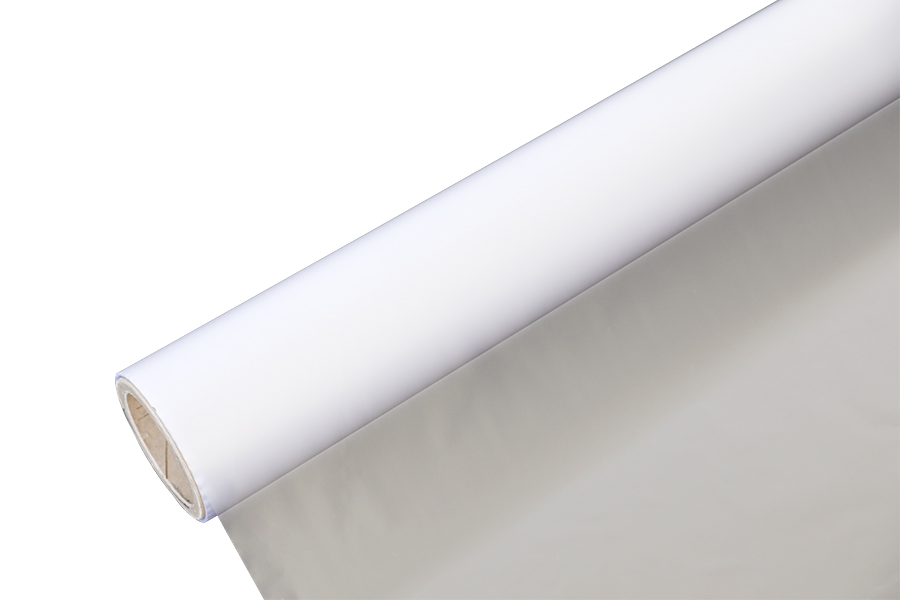
Semi-rigid printing opaque film is a packaging material that sits between flexible plastic film and fully rigid plastic sheet in terms of thickness and structural stability. It holds its shape well enough to form protective packaging shells, blister packs, and folding cartons, while still being thin and workable enough to run through standard printing presses for branding and product information. The opaque quality of this film means it fully blocks light transmission, which makes it particularly valuable for products that degrade when exposed to light, such as certain pharmaceuticals, cosmetics, and food items sensitive to UV exposure.
Because this film accepts print directly on its surface, manufacturers can incorporate branding, barcodes, usage instructions, and regulatory information without needing a separate printed label applied afterward. This single-step approach reduces production time and material costs compared to packaging that requires a separate label or sleeve, while also reducing the risk of labels peeling or misaligning during shipping and handling.
Common Materials Used to Produce This Film
Several plastic resins are commonly used to manufacture semi-rigid printing opaque film, each offering different balances of rigidity, printability, and cost. PVC, or polyvinyl chloride, remains widely used because it offers excellent print clarity and a smooth surface finish, though environmental regulations in some regions have pushed manufacturers toward alternative materials. PET, or polyethylene terephthalate, provides strong barrier properties against moisture and gases, making it a preferred choice for food packaging where shelf life is a priority. PP, or polypropylene, offers good chemical resistance and is often chosen for products that may come into contact with oils, cleaning agents, or other substances that could degrade less resistant plastics.
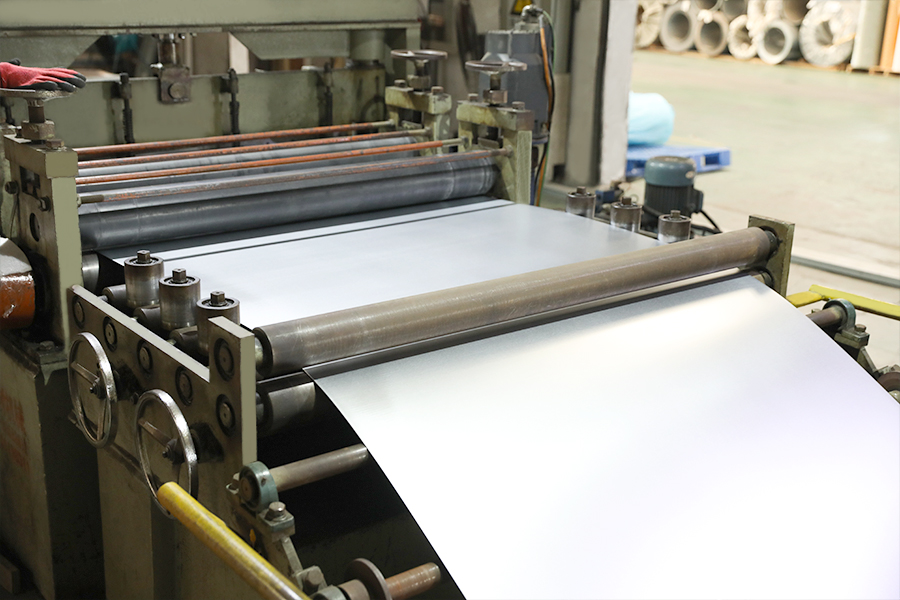
Opacity is typically achieved by adding white masterbatch or specific pigments during the film's extrusion process, rather than through a separate coating applied afterward. This integrated approach to opacity tends to produce more consistent light-blocking performance across the entire sheet compared to films that rely on surface coatings, which can wear or scratch over time.
Common Resin Types and Their Strengths
| Material | Key Strength |
| PVC | Excellent print clarity and smooth finish |
| PET | Strong moisture and gas barrier |
| PP | Good chemical resistance |
Where This Film Is Commonly Applied
Pharmaceutical packaging represents one of the largest applications for semi-rigid printing opaque film, particularly in blister packs for tablets and capsules that need to block light while displaying dosage information and batch numbers directly on the packaging surface. Cosmetic and personal care packaging also relies heavily on this material, since many formulations are sensitive to light degradation and benefit from packaging that combines protective opacity with attractive, directly printed branding.
Food packaging applications include trays and clamshell containers for items that need protection from both light and physical damage during transport, while retail packaging for electronics and small consumer goods often uses this film to create custom-shaped protective housings with product information printed directly onto the packaging rather than added as a separate label. The versatility across these industries stems from the film's ability to be thermoformed into custom shapes after printing, allowing manufacturers to design packaging that fits the exact dimensions of their product.
Typical Industry Applications
- Pharmaceutical blister packs requiring light protection
- Cosmetic and personal care product packaging
- Food trays and clamshell containers
- Retail packaging for small electronics and consumer goods
Key Factors to Check Before Selecting a Film Supplier
Thickness, typically measured in microns or mils, directly affects how well the film holds its shape during thermoforming and how much protection it offers against physical damage. Thinner films are more economical and easier to fold, but they may not provide adequate rigidity for packaging that needs to protect fragile contents during shipping. Print compatibility is another important consideration, since not all films perform equally well with every printing method; buyers should confirm whether a given film works well with the specific printing process their production line uses, whether that is offset, flexographic, or digital printing.
Regulatory compliance matters significantly for pharmaceutical and food packaging applications, since materials in direct or indirect contact with these products often need to meet specific safety standards depending on the region of sale. Requesting documentation confirming compliance with relevant food-contact or pharmaceutical packaging regulations before finalizing a supplier avoids costly compliance issues after production has already begun.
Questions to Ask Before Ordering
- What thickness range is available and how does it affect rigidity
- Which printing methods is the film verified to work with
- Does the film meet relevant food-contact or pharmaceutical standards
- What opacity level does the film guarantee across its surface
Getting the Most Value From This Packaging Material
Buyers who take time to match film thickness, resin type, and print compatibility to their specific product needs typically avoid the most common packaging failures, such as cracking during thermoforming or print quality that degrades after shipping and handling. Requesting physical samples before committing to a full production run allows manufacturers to test how the film performs with their exact printing setup and packaging machinery, catching potential compatibility issues early rather than after a large order has already been placed.