 English
 中文简体
中文简体
 русский

Content
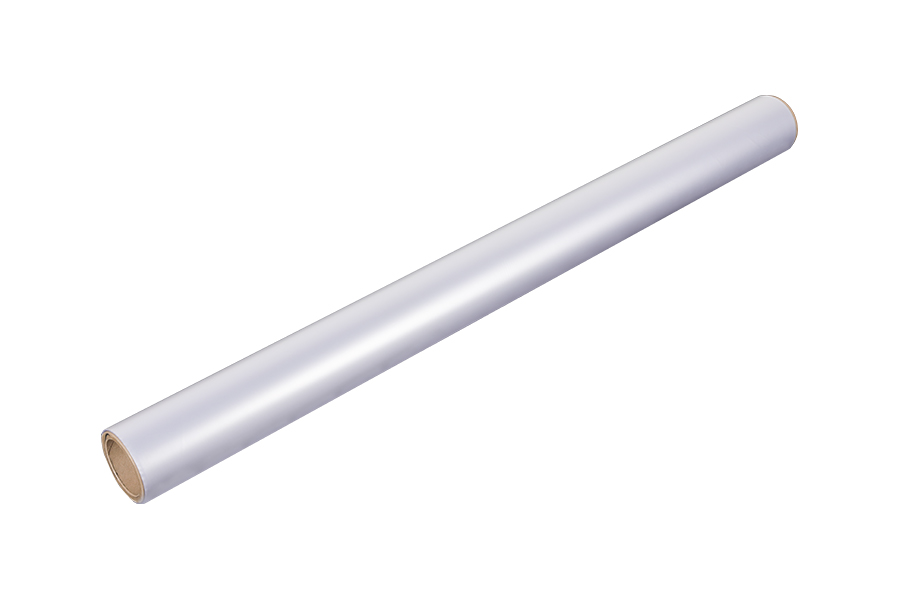
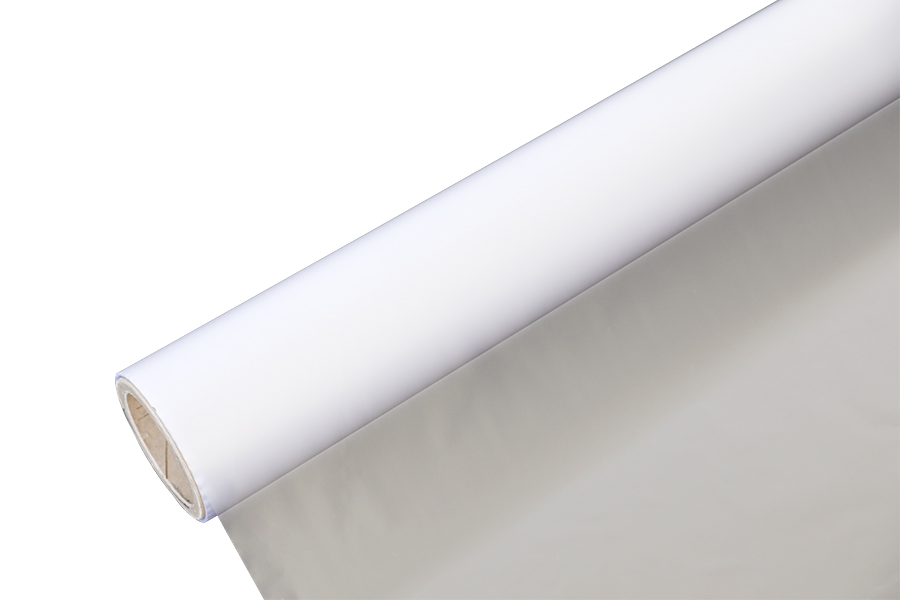
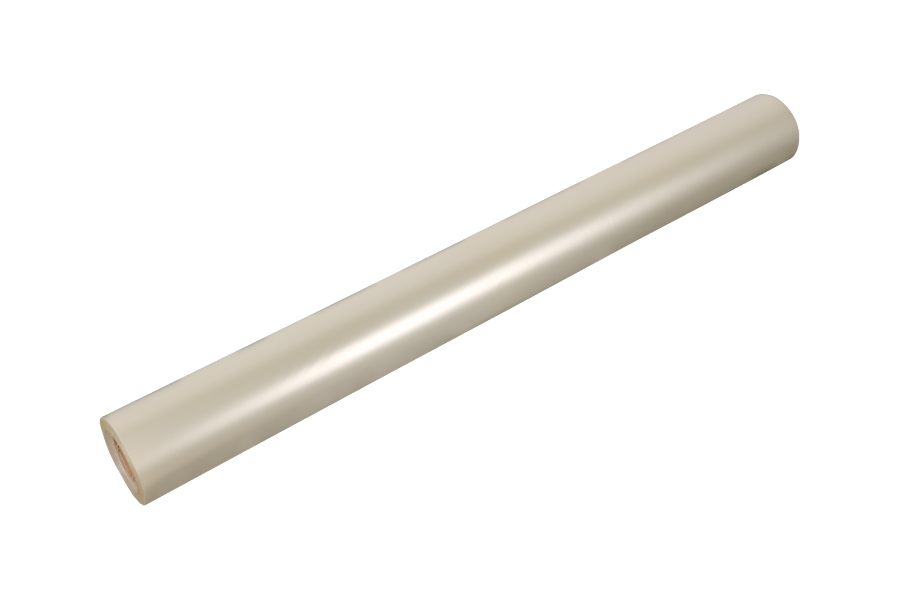
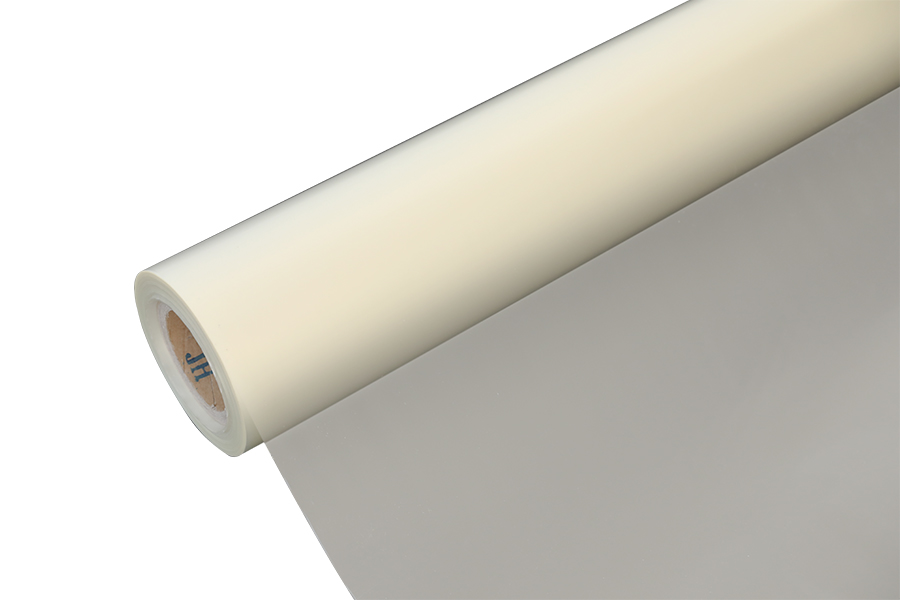
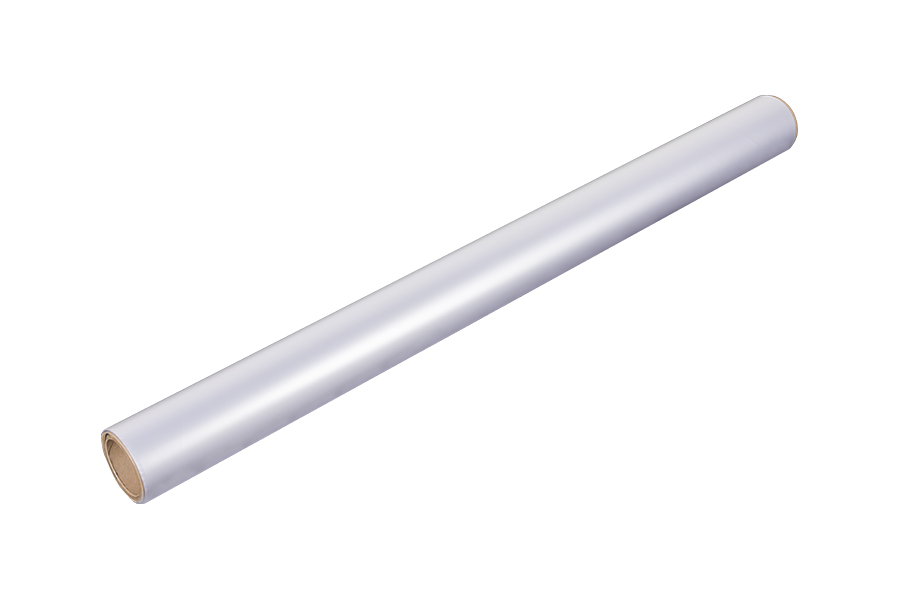
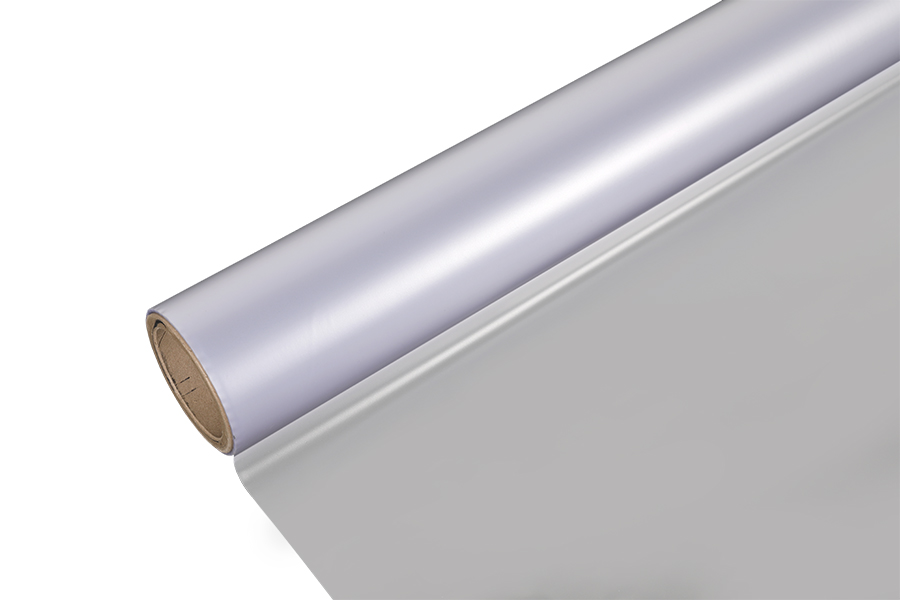
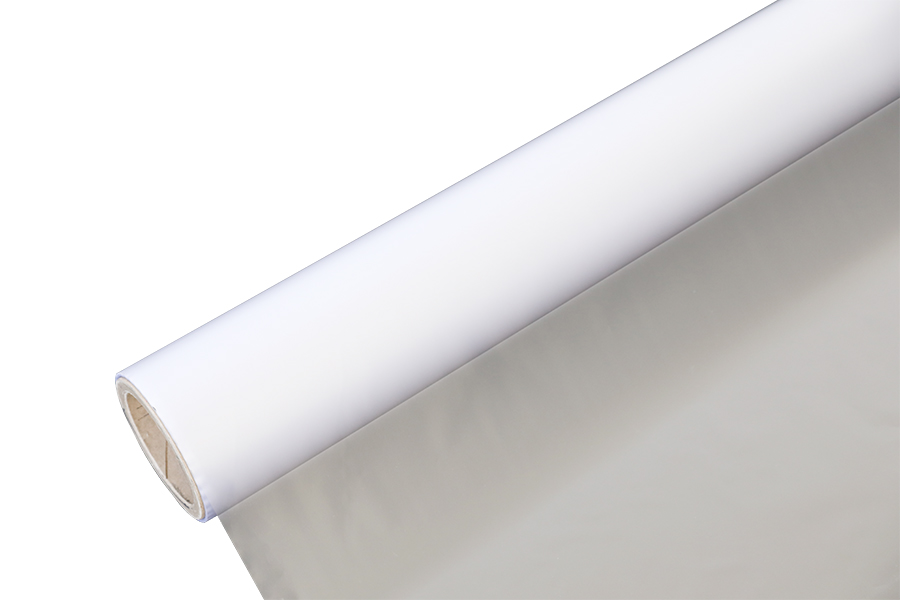
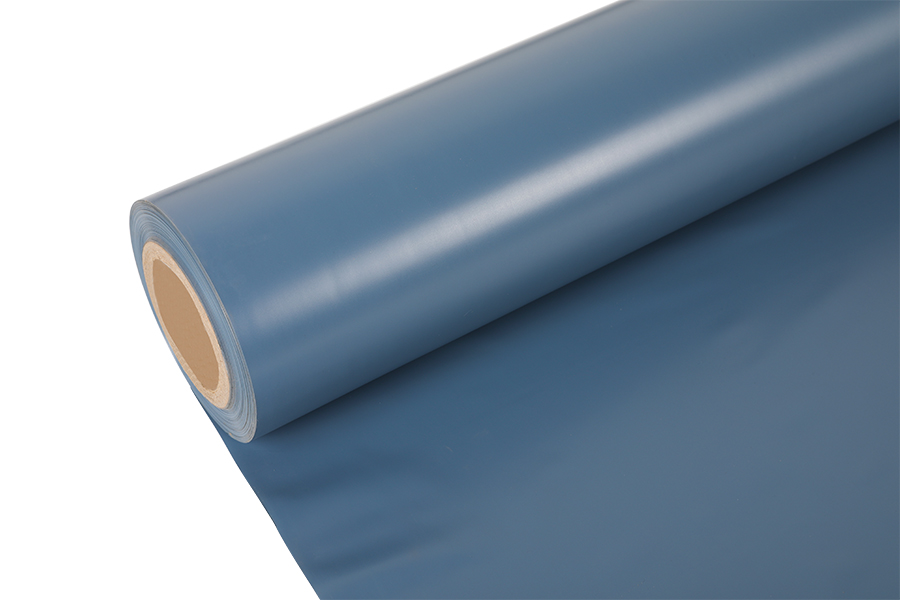
PE decorative film has become a common material choice across furniture manufacturing, interior décor, and surface protection industries because it offers an affordable way to replicate the appearance of wood grain, stone, metal, or solid colors on a wide range of substrates. Made from polyethylene, this type of film is valued for its flexibility, printability, and relatively low production cost compared to laminates or veneers. This guide explains what PE decorative film is, how it differs from other surface finishing materials, and how to select the right type for a given application.
What PE Decorative Film Is Made Of and How It's Produced
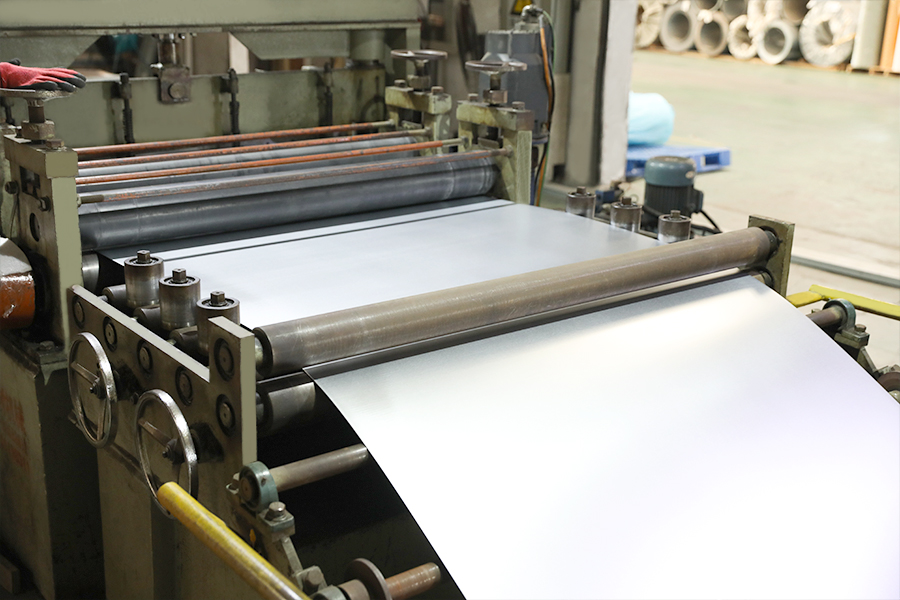
PE decorative film is manufactured from polyethylene resin, which is extruded into thin, flexible sheets and then printed with decorative patterns using gravure or digital printing techniques. After printing, many films receive a protective topcoat to improve resistance to scratching, moisture, and UV fading, since the base polyethylene layer alone offers limited protection against everyday wear.
The film is typically applied to substrates such as medium-density fiberboard (MDF), particleboard, gypsum board, or metal panels using heat and pressure lamination, or in some cases adhesive bonding. This process allows manufacturers to produce surfaces that mimic natural materials at a fraction of the cost of solid wood, natural stone, or genuine metal finishes.
Common Applications Across Industries
PE decorative film's flexibility and range of finish options make it suitable for numerous applications beyond simple furniture wrapping.
- Furniture panels, including cabinet doors, drawer fronts, and tabletops
- Interior wall panels and ceiling trim in residential and commercial buildings
- Door skins and window frame surfaces
- Flooring skirting boards and baseboard trim
- Appliance housings requiring a decorative, wipeable surface
Because the film can be produced in an extensive range of colors and textures, it is frequently used by manufacturers who need to offer multiple finish options across a product line without maintaining costly inventories of natural materials like veneer or laminate sheeting.
PE Film vs Other Surface Finishing Materials
Understanding how PE decorative film compares to alternatives such as PVC film and traditional laminate helps buyers determine whether it is the right fit for a specific project.
| Material | Cost | Flexibility | Durability |
| PE Decorative Film | Low | High | Moderate |
| PVC Film | Moderate | Moderate | High |
| Melamine Laminate | Moderate to High | Low | High |
| Wood Veneer | High | Low | Moderate |
PE film's main advantage lies in its flexibility, which allows it to conform smoothly around curved edges and profiled surfaces such as cabinet door frames, something rigid laminates struggle to achieve without cracking. However, PVC film generally offers better long-term durability and chemical resistance, making it a common choice for kitchen or bathroom surfaces exposed to frequent moisture and cleaning.
Key Factors to Evaluate When Selecting PE Decorative Film
Choosing the right film for a specific project requires looking beyond appearance to consider several technical and practical factors.
Film Thickness
Thicker films generally provide better durability and a more substantial feel, but they can be harder to wrap around tight curves or intricate profiles. Thinner films offer greater flexibility for detailed shapes but may show substrate imperfections more easily once applied.
Surface Texture and Finish
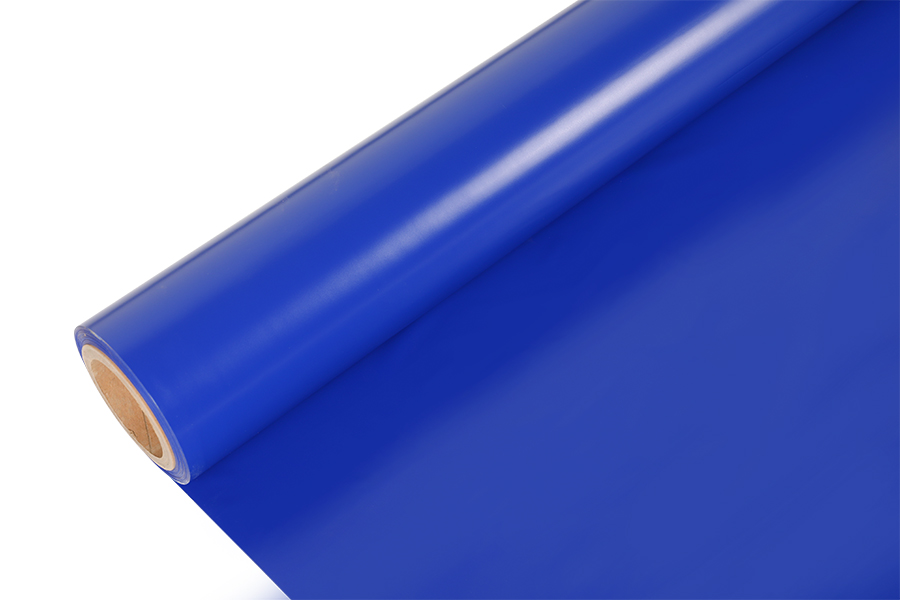
PE films are available in matte, gloss, and textured finishes, including embossed wood-grain patterns that closely mimic natural materials. The choice of finish affects both aesthetics and practical concerns, since glossy finishes tend to show fingerprints and scratches more readily than matte options.
UV and Moisture Resistance
Films intended for areas exposed to direct sunlight should include UV-stabilized coatings to prevent premature fading or yellowing. Similarly, applications in bathrooms or kitchens benefit from films with enhanced moisture resistance to prevent edge lifting or substrate swelling over time.
Adhesive Compatibility
The lamination adhesive used must be compatible with both the film backing and the substrate material. Poor adhesive matching is one of the most common causes of premature film peeling or bubbling, particularly in humid environments.
Installation Best Practices for Long-Lasting Results
Proper installation significantly affects how well PE decorative film performs over its service life. Substrates should be clean, dry, and free of dust or grease before lamination, since any contamination on the surface can prevent proper adhesion and lead to bubbling or peeling later.
Applying consistent heat and pressure during the lamination process is essential for achieving a smooth, bubble-free finish, particularly around edges and corners where the film is most likely to lift over time. For profiled or curved surfaces, using film specifically rated for wrapping applications, along with appropriate roller pressure, helps the material conform tightly without stretching thin or tearing at stress points.
Maintenance Tips to Extend Film Lifespan
While PE decorative film is relatively low maintenance, a few simple practices help preserve its appearance and structural integrity over time.
- Clean surfaces with a soft, damp cloth rather than abrasive scrubbing pads
- Avoid prolonged direct sunlight exposure where possible to reduce fading
- Wipe up spills promptly, especially near seams or edges
- Avoid using harsh solvents or strong chemical cleaners on the film surface
Selecting the appropriate PE decorative film comes down to balancing cost, appearance, and the specific demands of the intended environment. For projects involving curved profiles or budget-conscious furniture production, PE film often provides an ideal combination of flexibility and visual appeal, while applications requiring higher moisture or chemical resistance may warrant considering PVC film or laminate alternatives instead. Taking the time to match film specifications to the actual use case helps ensure a durable, attractive finish that performs well for years.