 English
 中文简体
中文简体
 русский

Content
- 1 Understanding Oil-Proof Matte Hard Thin Film Technology
- 2 Key Properties and Performance Characteristics
- 3 Applications Across Different Industries
- 4 Comparing Film Types and Material Options
- 5 Installation Process and Best Practices
- 6 Maintenance and Longevity Considerations
- 7 Selection Criteria for Protection
- 8 Advanced Features and Emerging Technologies
- 9 Cost Analysis and Value Proposition
Understanding Oil-Proof Matte Hard Thin Film Technology
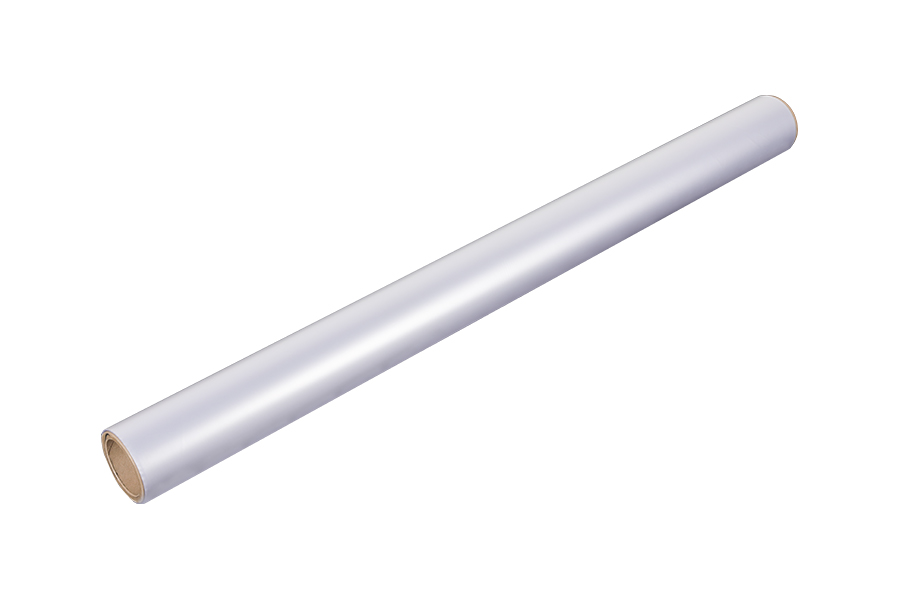
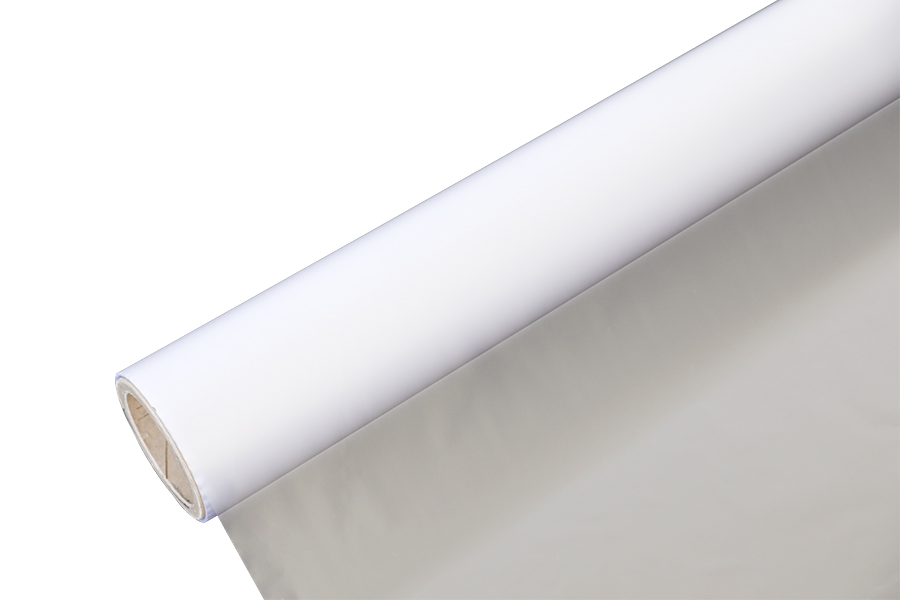
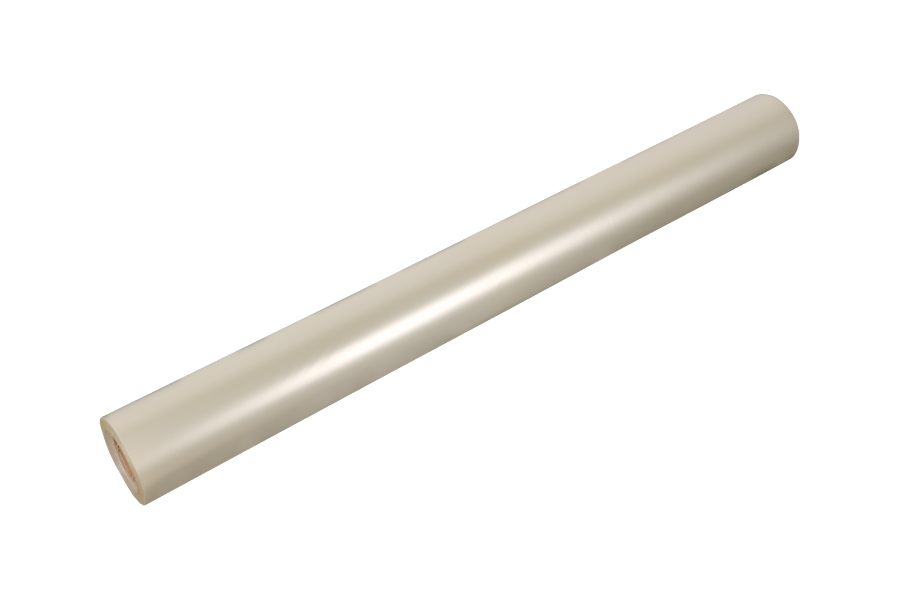
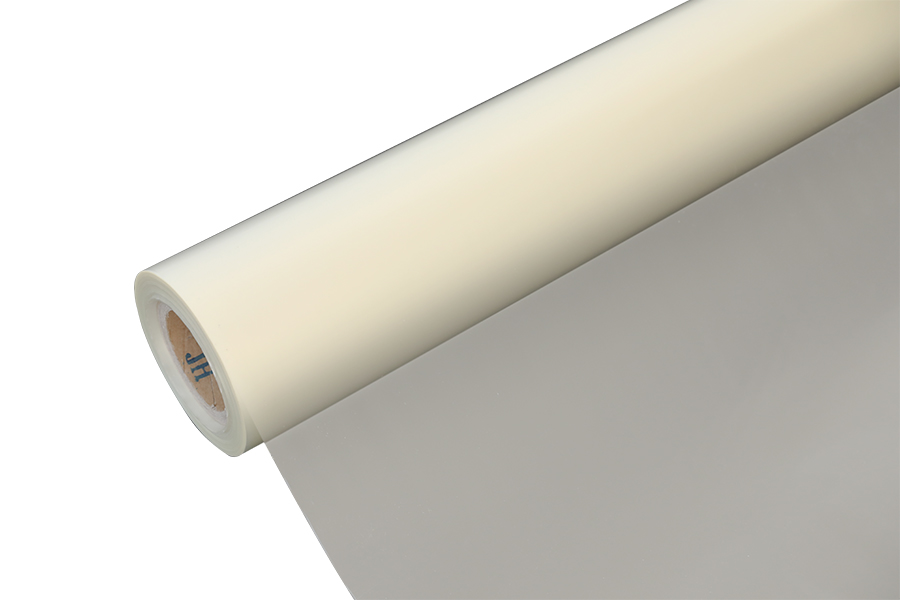
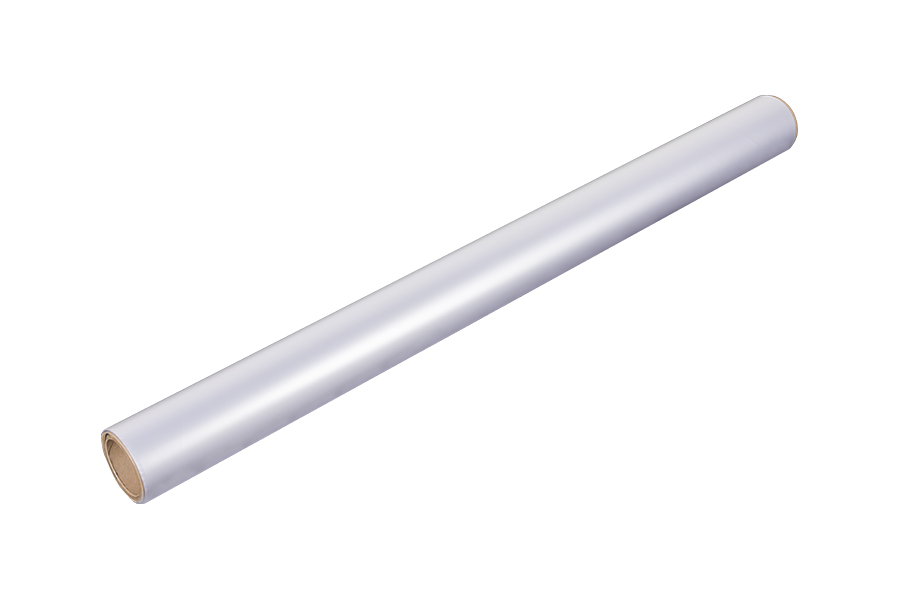
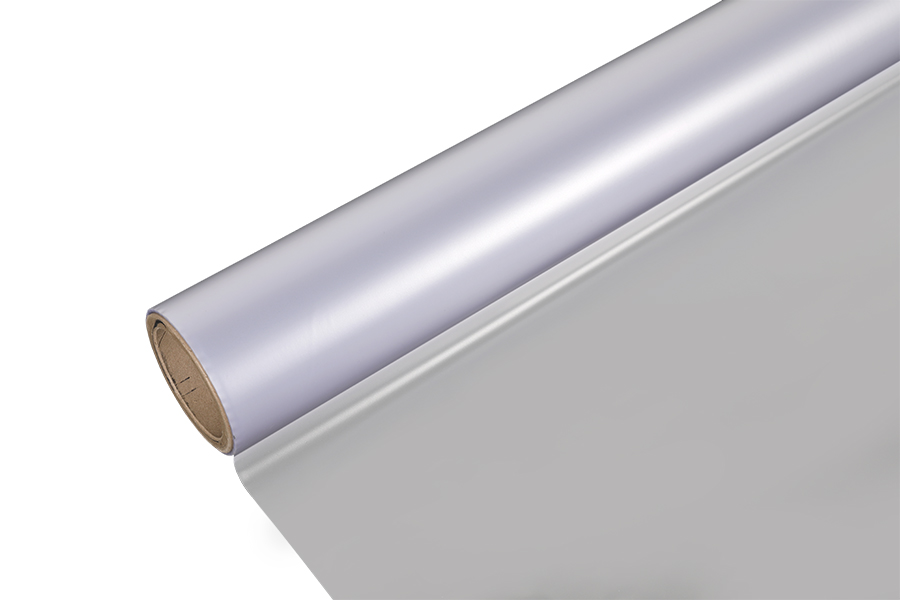
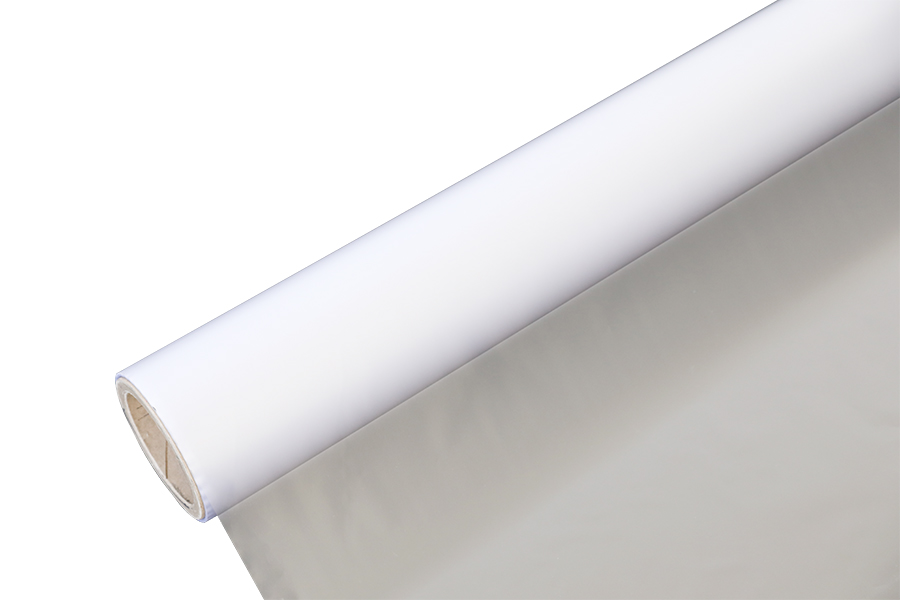
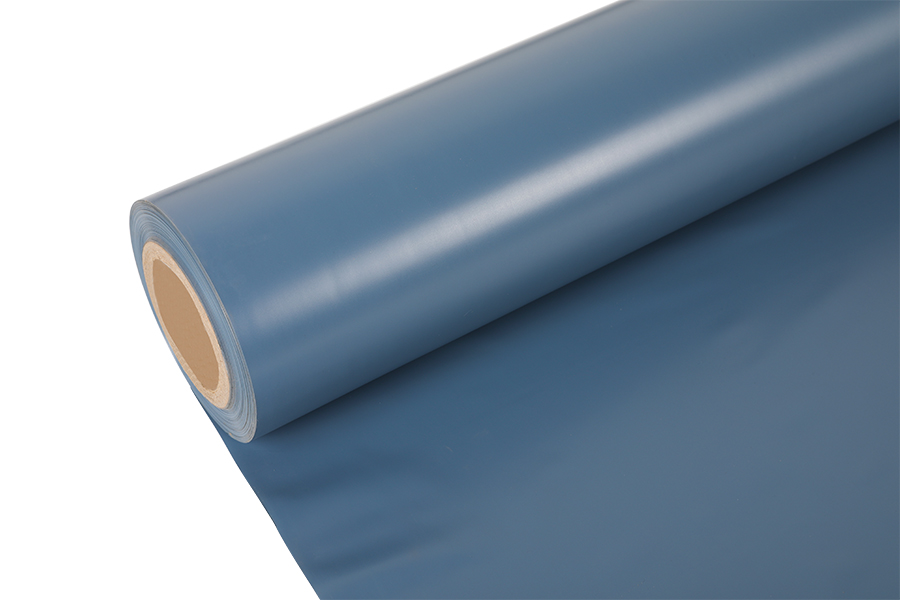
Oil-proof matte hard thin films represent a sophisticated protective solution designed to shield electronic devices, screens, and various surfaces from fingerprints, oil residues, and everyday wear. These specialized coatings combine oleophobic properties with a matte finish and hardened surface structure, creating a multi-functional barrier that enhances both durability and user experience. The technology relies on nano-scale surface treatments that modify the material's interaction with oils and liquids while maintaining optical clarity and touch sensitivity.
The composition of these films typically involves multiple layers, each serving a distinct purpose. The base layer provides structural integrity and adhesion, while intermediate layers contribute to hardness and scratch resistance. The topmost layer features the oleophobic coating that repels oils and creates the matte texture. This layered approach ensures comprehensive protection without compromising the underlying device's functionality or appearance. Modern manufacturing techniques have enabled these films to achieve thickness measurements as low as 0.1mm while maintaining exceptional protective qualities.
Key Properties and Performance Characteristics
The effectiveness of oil-proof matte hard thin films stems from their unique combination of physical and chemical properties. Understanding these characteristics helps users make informed decisions when selecting protective solutions for specific applications. Each property contributes to the overall performance profile and determines the film's suitability for various environments and use cases.
Oleophobic Performance
The oleophobic property is achieved through fluoropolymer coatings or silicone-based treatments that create a low surface energy barrier. This molecular structure causes oil droplets to bead up and roll off rather than spreading across the surface. The contact angle for oils typically exceeds 110 degrees on quality films, indicating repellency. This characteristic dramatically reduces fingerprint visibility and makes cleaning significantly easier, requiring only a gentle wipe with a microfiber cloth to restore pristine appearance.
Hardness and Scratch Resistance
Hardness ratings for these films commonly reach 9H on the pencil hardness scale, providing exceptional resistance to scratches from keys, coins, and other common objects. This durability is achieved through tempered materials or specialized hardening processes that reorganize the molecular structure. The hard surface layer distributes impact forces across a wider area, preventing localized damage and maintaining the film's integrity even under daily stress. Some premium variants incorporate ceramic particles or sapphire coatings to achieve even higher hardness levels.
Matte Finish Benefits
The matte texture reduces glare and reflections by diffusing ambient light rather than creating mirror-like reflections. This anti-glare property enhances screen visibility in bright environments, including outdoor settings and well-lit offices. The matte surface is created through micro-etching or specialized coating processes that create microscopic surface irregularities. These variations scatter light uniformly, reducing eye strain during extended use while maintaining sufficient transparency for clear content viewing.
Applications Across Different Industries
Oil-proof matte hard thin films find applications in numerous sectors where surface protection, cleanliness, and visibility are critical concerns. Their versatility makes them valuable in both consumer and industrial contexts, addressing diverse protection needs with a single solution.
- Consumer electronics including smartphones, tablets, laptops, and smartwatches benefit from fingerprint resistance and scratch protection
- Automotive displays and touchscreens require oil-proof surfaces that withstand frequent touching and varying environmental conditions
- Medical equipment displays demand easy-to-clean surfaces that maintain hygiene standards in clinical environments
- Public kiosks and ATMs experience heavy use and require durable, low-maintenance protective solutions
- Camera lenses and optical instruments benefit from the anti-glare properties while maintaining image quality
- Gaming devices and controllers need smudge-resistant surfaces for visual clarity during extended play sessions
Comparing Film Types and Material Options
Various material compositions and manufacturing approaches result in films with different performance profiles. Understanding these distinctions enables better matching between protection requirements and product selection.
| Film Type | Primary Material | Hardness Rating | Key Advantage |
| Tempered Glass | Aluminosilicate Glass | 9H | scratch resistance |
| PET Plastic | Polyethylene Terephthalate | 3H-4H | Flexible and cost-effective |
| TPU Hybrid | Thermoplastic Polyurethane | 6H-7H | Self-healing properties |
| Ceramic Coated | Glass with Ceramic Layer | 9H+ | impact protection |
Installation Process and Best Practices
Proper installation is crucial for achieving performance from oil-proof matte hard thin films. Even the highest-quality film will underperform if applied incorrectly, potentially trapping air bubbles, dust particles, or creating misalignment issues that compromise both protection and aesthetics.
Surface Preparation
Begin by thoroughly cleaning the target surface using a lint-free cloth and appropriate cleaning solution, typically isopropyl alcohol or specialized screen cleaners. Remove all oils, fingerprints, and debris that could interfere with adhesion. Work in a dust-free environment when possible, as airborne particles can become trapped during application. Allow the surface to dry completely before proceeding, ensuring no moisture remains that could affect bonding.
Alignment and Application
Position the film carefully above the surface, using alignment guides or edge markers to ensure proper placement. Many premium films include alignment frames or stickers that simplify this process. Once positioned correctly, begin application from one edge, gradually lowering the film while using a squeegee or application card to push out air bubbles. Apply firm, even pressure working from the center outward to ensure complete adhesion and eliminate trapped air pockets.
Post-Application Care
Allow the adhesive to cure for at least 24 hours before subjecting the film to stress or cleaning. Small air bubbles near edges often dissipate naturally during this curing period. Avoid using the device in temperatures immediately after application, as thermal expansion can affect adhesive bonding. If bubbles persist, carefully lift the affected section and reapply, ensuring no additional dust enters beneath the film.
Maintenance and Longevity Considerations
Extending the lifespan of oil-proof matte hard thin films requires regular maintenance and appropriate cleaning techniques. Unlike untreated surfaces that may tolerate harsh cleaners, these specialized films demand gentle care to preserve their protective coatings and functional properties.
- Use microfiber cloths exclusively for cleaning to avoid scratching the matte surface with abrasive materials
- Avoid ammonia-based cleaners that can degrade oleophobic coatings and reduce oil-repellent effectiveness
- Clean regularly with gentle, circular motions rather than aggressive scrubbing that could wear down protective layers
- Store devices protected by these films away from sharp objects that could cause impact damage
- Replace films showing signs of wear, such as reduced oleophobic performance or visible scratches that affect clarity
- Monitor edge lifting or adhesive degradation, which typically occurs before central film deterioration
Selection Criteria for Protection
Choosing the right oil-proof matte hard thin film involves evaluating multiple factors beyond basic protection. Different use cases demand specific performance characteristics, and understanding these requirements ensures value and satisfaction from the protective investment.
Device Compatibility
Verify that the film dimensions precisely match your device's screen size and shape, including any curved edges or notches. Custom-cut films designed for specific models ensure complete coverage without interfering with cameras, sensors, or edge-to-edge displays. Consider whether your device features 2.5D or 3D curved glass, as these require specialized films with flexible adhesives that can conform to curved surfaces without lifting or creating air gaps.
Touch Sensitivity Requirements
Thinner films generally provide better touch response, but may sacrifice some protective capability. For devices requiring precise touch input, such as digital drawing tablets or gaming devices, prioritize films specifically engineered for high touch sensitivity. Some manufacturers specify touch sensitivity retention percentages, with premium films maintaining over 95% of original responsiveness. Test reviews and user feedback can provide valuable insights into real-world touch performance.
Environmental Factors
Consider the operating environment when selecting films. Outdoor use demands enhanced anti-glare properties and UV resistance to prevent degradation from sunlight exposure. High-humidity environments benefit from films with adhesive formulations that resist moisture-induced lifting. Industrial or harsh environments may require thicker, more robust films with additional impact resistance, even if this slightly compromises touch sensitivity or optical clarity.
Advanced Features and Emerging Technologies
Innovation in protective film technology continues to introduce enhanced capabilities that extend beyond traditional protection. These advanced features address specific user needs and emerging challenges in device protection, though they typically command premium pricing.
Anti-bacterial coatings incorporating silver ions or copper nanoparticles provide continuous microbial protection, particularly valuable for shared devices or medical applications. Blue light filtering technology integrated into some films reduces eye strain during extended screen time by blocking harmful high-energy visible light wavelengths. Privacy features using micro-louver technology limit viewing angles, preventing shoulder surfing in public spaces while maintaining clarity for the primary user.
Self-healing films utilizing thermoplastic polymers can repair minor scratches through heat activation, either from friction or ambient temperature. Electrochromic variants offer adjustable opacity controlled electronically, enabling users to switch between transparent and privacy modes. Some cutting-edge films incorporate haptic feedback enhancement, using textured surfaces to improve tactile response during typing or gaming activities.
Cost Analysis and Value Proposition
Understanding the economic aspects of oil-proof matte hard thin films helps users make cost-effective decisions that balance protection quality with budget constraints. While premium films command higher initial costs, their extended lifespan and protection often provide better long-term value than budget alternatives requiring frequent replacement.
Entry-level PET films typically range from five to fifteen dollars, offering basic protection suitable for low-risk environments or older devices. Mid-range tempered glass options with oleophobic coatings generally cost between fifteen and thirty-five dollars, providing excellent value for most users. Premium ceramic-coated or specialty films can exceed fifty dollars but deliver protection and longevity, justified for expensive flagship devices or professional equipment.
Consider the replacement cost of the protected device when evaluating film prices. A thirty-dollar film protecting a thousand-dollar smartphone represents minimal insurance against screen replacement costs that typically exceed two hundred dollars. Factor in the improved user experience from reduced fingerprints and glare, which provides daily value beyond pure damage prevention. Multi-pack purchases often reduce per-unit costs while ensuring replacement films are readily available when needed.