 English
 中文简体
中文简体
 русский

Content
- 1 Understanding PVC Decorative Film Layer Structure
- 2 The Base Layer: Foundation of Performance
- 3 Decorative and Printing Layers
- 4 Protective Wear Layers and Coatings
- 5 Adhesive and Primer Layers
- 6 UV Protection and Stabilization Layers
- 7 Specialized Functional Layers
- 8 Embossing and Texture Layers
- 9 Selection Criteria Based on Application Requirements
- 10 Quality Assessment and Specification Verification
Understanding PVC Decorative Film Layer Structure
PVC decorative film consists of multiple carefully engineered layers, each serving specific functional and aesthetic purposes that contribute to the overall performance of the finished product. The typical structure includes a base layer that provides dimensional stability, a printed decorative layer that creates the visual appearance, a wear layer that protects against scratches and abrasion, and various intermediate layers that enhance bonding, UV resistance, and other performance characteristics. Understanding this layered construction helps users select films that meet their specific application requirements while avoiding over-specification that increases costs without providing necessary benefits.
The complexity of layer structures varies significantly across different product grades and intended applications. Basic films designed for interior furniture components in low-traffic areas may consist of just three layers—a PVC base, printed decoration, and thin protective coating. Premium films for high-traffic commercial flooring or outdoor applications can incorporate seven or more distinct layers, each optimized for specific performance attributes including enhanced UV stability, superior abrasion resistance, antimicrobial properties, or improved adhesion to various substrates. The number of layers alone does not determine quality; rather, the specific composition, thickness, and manufacturing quality of each layer determines how well the film performs in its intended application environment.
The Base Layer: Foundation of Performance
The base layer, also called the backing layer or substrate, forms the structural foundation of PVC decorative film and typically constitutes the thickest component of the overall construction. This layer is manufactured from polyvinyl chloride resin combined with plasticizers that provide flexibility, stabilizers that prevent degradation during processing and use, and various additives that modify specific properties like fire resistance or static dissipation. The base layer thickness ranges from 0.08mm for thin furniture films to 0.5mm or more for heavy-duty flooring applications, with thickness directly correlating to the film's ability to bridge surface irregularities and resist telegraphing of substrate defects.
The formulation of the base layer significantly impacts the film's working characteristics during application and its long-term dimensional stability. Films with higher plasticizer content exhibit greater flexibility and conformability, making them easier to apply around complex curves and deep profiles but potentially more susceptible to shrinkage over time. Rigid formulations with lower plasticizer content maintain dimensional stability better but require more heat and pressure during lamination or forming processes. Some base layers incorporate foam or air-entrained structures that provide cushioning and improved sound dampening properties, particularly valuable for flooring applications where comfort and noise reduction matter. The base layer also determines the film's overall fire performance classification, with flame-retardant additives allowing films to meet various building code requirements for different installation types.
Decorative and Printing Layers
The decorative layer creates the visual appearance that defines the film's aesthetic purpose, whether imitating natural materials like wood grain and stone, presenting solid colors, or displaying complex patterns and textures. Modern PVC films employ several printing technologies to achieve their decorative effects, with gravure printing being the most common method for high-volume production. Gravure printing transfers ink from engraved cylinders to the film surface, allowing precise reproduction of detailed patterns with excellent color consistency across large production runs. Digital printing technologies are increasingly used for short runs, custom designs, and situations requiring rapid pattern changes without the tooling costs associated with gravure cylinders.
The quality and durability of the decorative layer depend on ink formulation, application thickness, and curing processes. UV-cured inks offer superior fade resistance and chemical stability compared to solvent-based alternatives, making them preferred for applications involving sunlight exposure or contact with cleaning chemicals. The decorative layer may actually consist of multiple ink applications building up complex visual effects—a wood grain pattern might involve a base color layer, grain detail layer, and highlighting layer applied in succession to create realistic depth and variation. Some premium films incorporate metallic or pearlescent pigments in the decorative layer to achieve special visual effects impossible with standard inks. Registration accuracy between multiple print layers determines pattern sharpness and consistency, with high-quality films maintaining registration within extremely tight tolerances to ensure crisp, well-defined imagery.
Protective Wear Layers and Coatings
The wear layer, applied over the decorative layer, protects the printed design from abrasion, scratching, staining, and other forms of surface damage that would degrade appearance during use. This transparent protective coating typically consists of polyurethane, acrylic, or specialized PVC formulations with enhanced hardness and chemical resistance. Wear layer thickness represents one of the most critical specifications for determining appropriate film applications, with measurements ranging from 0.1mm for light-duty interior furniture to 0.7mm or more for commercial flooring subjected to heavy foot traffic and wheeled loads.
| Wear Layer Thickness | Typical Applications | Expected Durability | Usage Classification |
| 0.1-0.2mm | Cabinet interiors, drawer linings | Light residential use | Class 21-22 |
| 0.2-0.3mm | Furniture surfaces, wall panels | General residential use | Class 23 |
| 0.3-0.5mm | Kitchen cabinets, office furniture | Heavy residential/light commercial | Class 31-32 |
| 0.5-0.7mm+ | Commercial flooring, countertops | Heavy commercial use | Class 33-34 |
Beyond thickness, wear layer composition affects performance characteristics including scratch resistance, chemical resistance, and ease of cleaning. Polyurethane wear layers generally provide superior scratch resistance and chemical stability compared to PVC-based alternatives but may cost more and require specialized application processes. Some wear layers incorporate ceramic or aluminum oxide particles that dramatically enhance abrasion resistance for extreme-duty applications. Surface treatments applied to the wear layer modify characteristics like gloss level, slip resistance, and soil resistance. Matte finishes hide scratches and fingerprints better than high-gloss surfaces but may show dirt more readily. Anti-fingerprint coatings reduce visible smudging on high-gloss surfaces, particularly valuable for vertical applications where touching occurs frequently.
Adhesive and Primer Layers
Many PVC decorative films include adhesive or primer layers that facilitate bonding to substrate materials during application. Self-adhesive films incorporate pressure-sensitive adhesive layers covered with release liners, allowing direct application to prepared surfaces without additional bonding agents. These adhesives are formulated for specific substrate types—adhesives optimized for wood may not perform well on metal or glass, and vice versa. The adhesive thickness and tack level must balance easy positioning during application with sufficient ultimate bond strength after full cure. Removable adhesives allow repositioning during installation and future removal without surface damage, useful for temporary applications or situations where design changes may occur.
Films without self-adhesive layers rely on separately applied contact adhesives, hot-melt adhesives, or heat-activated bonding during lamination processes. These films often include primer or tie layers between the base layer and substrate contact surface that improve adhesion through chemical bonding mechanisms. Primer layers may contain coupling agents that react with substrate surfaces, creating strong molecular bonds that resist moisture intrusion and delamination. Corona or plasma treatments applied to the film backside increase surface energy, promoting better wetting by adhesives and improved mechanical interlocking. The selection between self-adhesive and non-adhesive films depends on application methods, production volumes, and specific bonding requirements for the substrates involved.
UV Protection and Stabilization Layers
Ultraviolet radiation from sunlight causes polymer degradation and color fading that limits the service life of decorative films, particularly those used in applications with direct or indirect sun exposure. UV protection layers or UV-absorbing additives distributed throughout multiple layers help films resist these degradation mechanisms. UV absorbers work by capturing harmful UV wavelengths and converting them to harmless heat before they can damage the decorative inks or base polymer. UV stabilizers function differently, interrupting the chemical degradation processes that UV radiation initiates, preventing chain reactions that would otherwise cause rapid deterioration.
The level of UV protection required depends on exposure conditions and expected service life. Interior films in rooms with minimal natural light need little UV protection, while films for window frames, outdoor furniture, or automotive applications require robust UV stabilization systems. Some manufacturers specify UV protection in terms of weathering hours in accelerated testing chambers—premium exterior films may withstand 2000+ hours of accelerated weathering equivalent to years of outdoor exposure. Films lacking adequate UV protection show yellowing, color shift, surface chalking, or embrittlement within months of outdoor exposure, while properly stabilized films maintain appearance and physical properties for years under the same conditions. When selecting films for applications involving sunlight exposure, verify UV stability specifications and request evidence of weathering test performance rather than accepting generic claims of "UV protection."
Specialized Functional Layers
Advanced PVC decorative films may incorporate additional specialized layers that provide specific functional benefits beyond basic decoration and protection. Antimicrobial layers containing silver ions or other biocidal agents inhibit bacterial and fungal growth on film surfaces, valuable for healthcare facilities, food service areas, and other hygiene-critical environments. These antimicrobial treatments can be incorporated into the wear layer, applied as a separate topcoat, or infused throughout the film structure depending on the technology employed and desired performance characteristics.
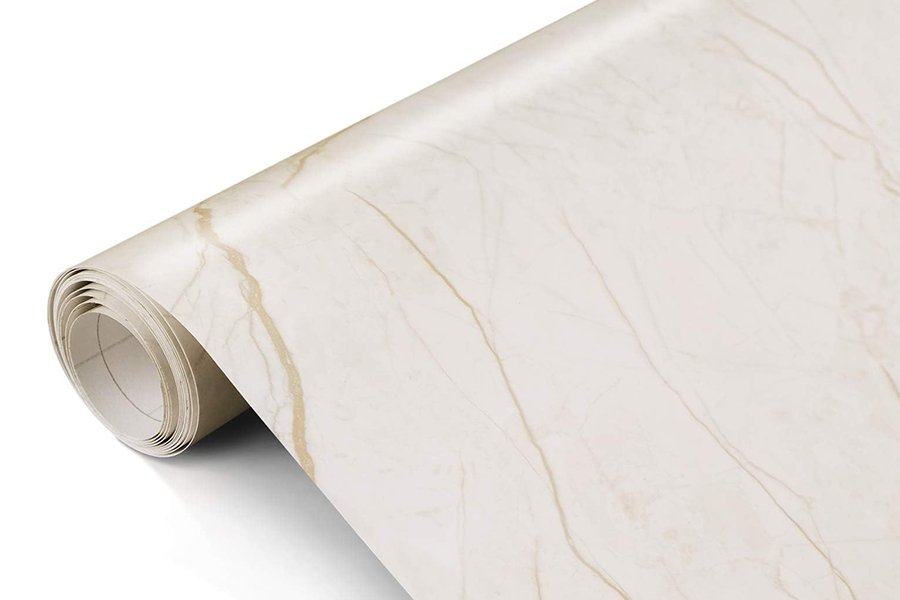
- Anti-static layers dissipate static electricity buildup that attracts dust and can damage sensitive electronics, important for flooring in computer rooms, electronics manufacturing facilities, and environments where static discharge poses hazards.
- Fire-retardant layers or additives distributed through the film structure improve fire performance ratings, allowing films to meet stringent building code requirements for commercial installations, transportation applications, and public spaces.
- Acoustic underlayers with sound-dampening properties reduce noise transmission through flooring, particularly valuable in multi-story residential buildings, hotels, and office environments where noise control improves occupant comfort.
- Cushion layers provide comfort underfoot for flooring applications, reducing fatigue in areas where people stand for extended periods such as kitchens, retail environments, and industrial workstations.
- Barrier layers prevent plasticizer migration between the film and substrate materials, important when laminating PVC films to materials that might be affected by plasticizer absorption or when substrates might contaminate the film.
Embossing and Texture Layers
Surface texture significantly influences both the visual realism and tactile quality of PVC decorative films, particularly those imitating natural materials like wood, stone, or leather. Embossing processes create three-dimensional surface textures by pressing heated film against engraved rollers that impart specific patterns. The relationship between printed decoration and embossed texture determines realism—films with registered embossing align texture with the printed pattern, so wood grain ridges correspond to darker grain lines in the print, creating convincing visual and tactile simulation of real wood. Non-registered or random embossing applies generic textures unrelated to the print pattern, resulting in less realistic appearances but lower manufacturing costs.
Texture depth and pattern complexity vary widely across different film grades. Light textures with subtle surface variation suit contemporary designs where minimal texture supports clean, modern aesthetics. Deep, complex textures better replicate natural materials with pronounced grain patterns, pores, or surface irregularities. However, deeper textures accumulate dirt more readily and present greater cleaning challenges, particularly in horizontal applications like countertops or shelving. The embossing process can occur before or after the wear layer application—pre-embossing creates texture in the base and decorative layers that the wear layer then follows, while post-embossing textures the entire film stack after the wear layer application. Post-embossing can compromise wear layer thickness in texture peaks, potentially reducing durability in those areas.
Selection Criteria Based on Application Requirements
Selecting appropriate PVC decorative film requires systematically evaluating application requirements against available film specifications. Begin by defining the physical environment where the film will be used—interior or exterior, temperature ranges, humidity exposure, chemical contact possibilities, and UV exposure levels. These environmental factors determine necessary base layer formulation, UV stabilization requirements, and wear layer chemical resistance. Next, establish performance expectations regarding traffic levels, abrasion resistance needs, expected service life, and maintenance requirements. Heavy commercial traffic demands thick wear layers and robust construction, while light residential use allows thinner, more economical films.
Application method compatibility represents another critical selection factor. Films intended for vacuum forming around complex three-dimensional profiles require high flexibility and elongation capability that flat-lamination films do not need. Membrane press applications demand films that can conform to deep recesses and sharp details without tearing or showing stress marks. Consider substrate compatibility—some films bond better to specific materials like MDF, particleboard, or various plastics. Installation complexity and required expertise should match your capabilities or those of your fabricator. Premium films offering superior performance may prove difficult to apply without specialized equipment and training, while more forgiving films sacrifice some performance for easier handling.
Budget constraints obviously influence selection, but focus on total cost of ownership rather than simply initial film price. An inexpensive film requiring replacement after two years ultimately costs more than a premium film lasting ten years, even if the premium option costs double. Factor in installation labor, downtime during replacement, and potential damage to underlying substrates during removal when calculating true costs. Request samples of candidate films and test them under conditions simulating your actual application—exposure to relevant chemicals, realistic abrasion, appropriate temperature and humidity cycling. This testing reveals performance differences that specifications alone may not capture, helping ensure your selection will deliver satisfactory real-world results.
Quality Assessment and Specification Verification
Not all PVC decorative films labeled with similar specifications actually deliver equivalent performance, making quality assessment crucial during selection. Request detailed technical data sheets that specify layer construction, individual layer thicknesses, material compositions, and relevant test results. Reputable manufacturers provide comprehensive documentation including wear layer thickness measurements, abrasion resistance test results, UV stability data, fire performance classifications, and chemical resistance information. Be skeptical of vague specifications or manufacturers unwilling to provide detailed technical information, as this often indicates lower-quality products or inconsistent manufacturing.
Third-party certifications and testing provide independent verification of film performance claims. Look for certifications from recognized testing organizations relevant to your application—flooring products should carry certifications from organizations like FloorScore for indoor air quality or commercial traffic ratings from testing institutes. Products for healthcare or food service applications benefit from certifications verifying antimicrobial effectiveness and cleanability. Fire ratings from official testing laboratories ensure compliance with building codes rather than relying on manufacturer claims. When possible, request batch-specific test reports rather than generic product certifications, as this confirms the specific film you are purchasing meets specifications rather than assuming all production maintains the same quality level as initially tested samples.