 English
 中文简体
中文简体
 русский

Content
- 1 What High Gloss PET Decorative Film Is and How It Is Made
- 2 Key Performance Properties of High Gloss PET Decorative Film
- 3 Primary Applications and End-Use Sectors
- 4 Film Structure Variants and What Each Offers
- 5 How High Gloss PET Film Compares to Alternative Decorative Surface Materials
- 6 Selecting the Right Grade: What to Specify and Verify
- 7 Handling, Storage, and Processing Recommendations
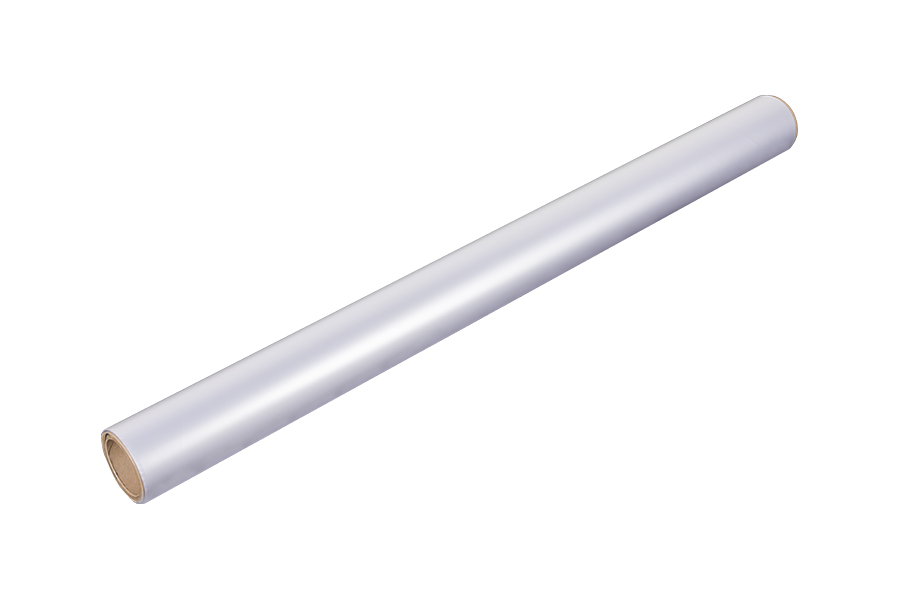
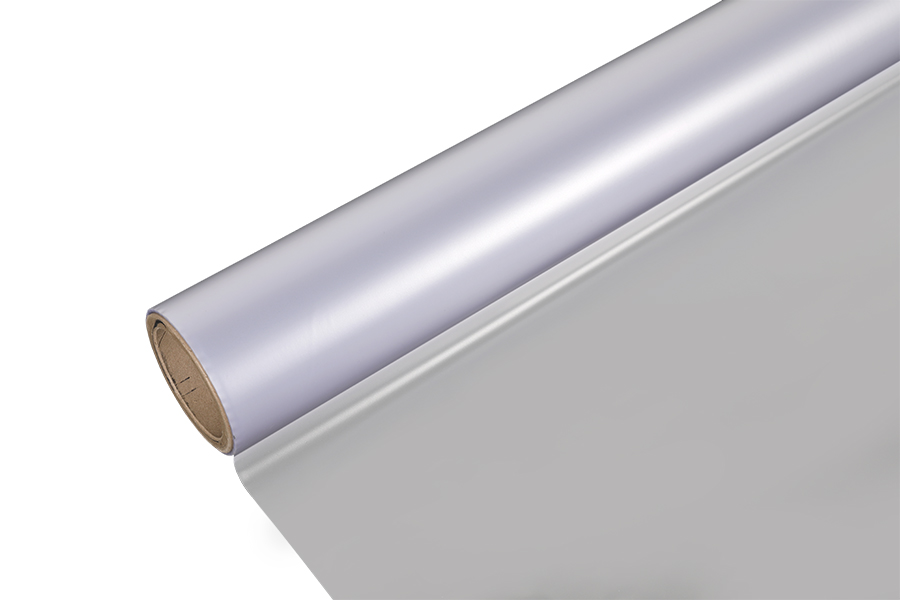
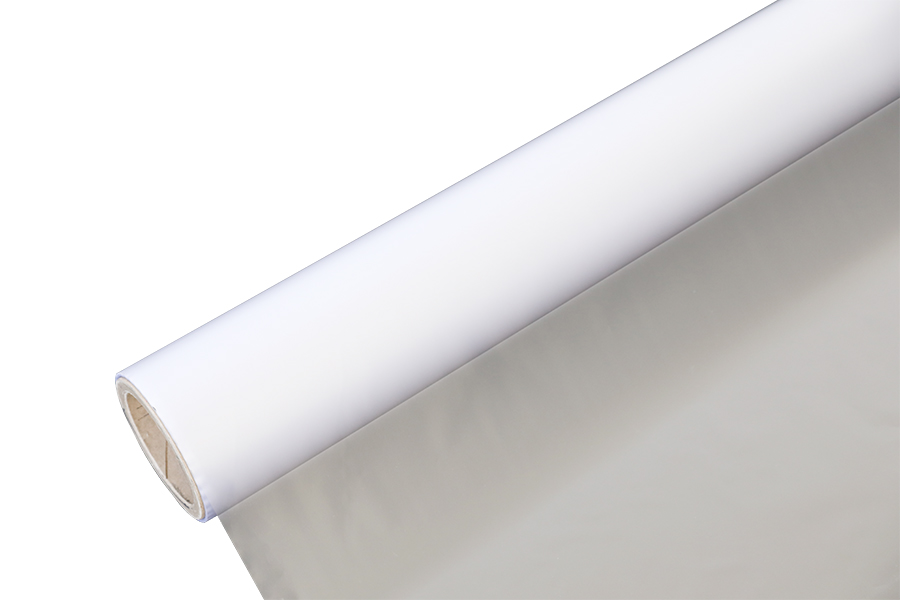
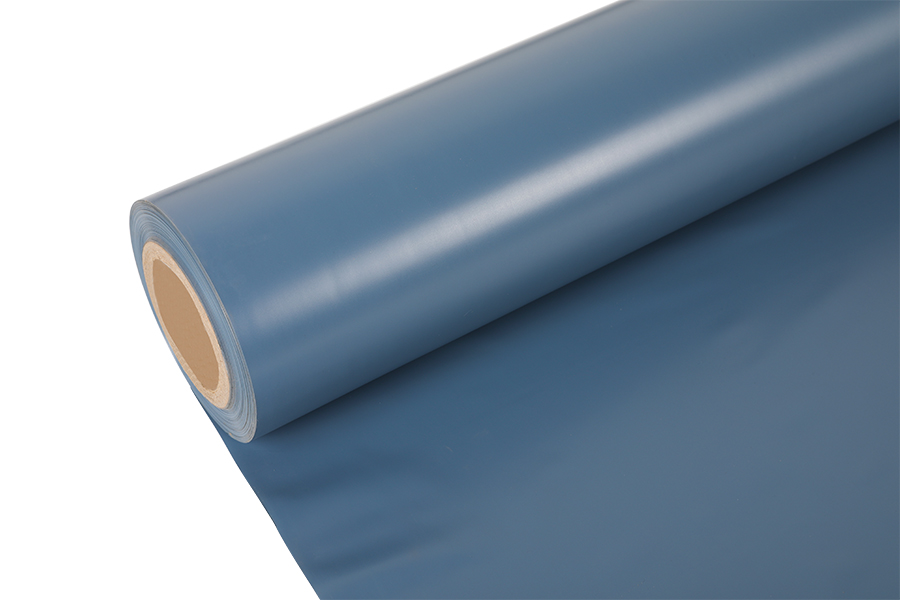
High gloss PET decorative film has established itself as one of the most versatile and widely specified surface materials in furniture manufacturing, interior fit-out, and consumer product finishing. Made from polyethylene terephthalate (PET) — the same base polymer used in beverage bottles and textile fibers, but processed into thin, optically refined sheet form — high gloss decorative PET film delivers a mirror-like surface finish, excellent dimensional stability, and a printable or pigmented aesthetic layer that can replicate solid colors, wood grains, stone textures, and abstract patterns with high fidelity. Understanding what high gloss PET decorative film is made of, how it performs across different applications, and what technical specifications distinguish one grade from another is essential for product designers, procurement specialists, and fabricators who specify or work with this material regularly.
What High Gloss PET Decorative Film Is and How It Is Made
PET decorative film is produced through a biaxially oriented film extrusion process in which molten PET polymer is extruded through a flat die into a continuous sheet, then stretched simultaneously in both the machine direction and the transverse direction at elevated temperatures. This biaxial orientation aligns the polymer chains in two dimensions, producing a film with significantly improved tensile strength, dimensional stability, and optical clarity compared to unoriented or monoaxially stretched PET. The resulting base film — known as BOPET (biaxially oriented PET) — provides the structural foundation onto which decorative layers are applied.
The decorative surface is created through one of several coating or lamination processes applied to the BOPET base. In pigmented solid-color variants, a coating layer containing dispersed pigments is applied and cured onto the film surface, followed by a high-gloss topcoat — typically an acrylic or polyurethane lacquer — that provides the mirror-like surface quality, scratch resistance, and chemical barrier function simultaneously. In printed decorative variants, a reverse-printed pattern layer is applied between the base film and a clear protective topcoat, so the design is visible through the transparent outer surface layer and protected from abrasion by the full thickness of the topcoat above it. This construction, known as reverse printing with overlay, produces a surface where the decorative pattern cannot be worn away by surface contact — a significant durability advantage over surface-printed films.
Key Performance Properties of High Gloss PET Decorative Film
The performance of high gloss PET decorative film is defined by a set of measurable physical and chemical properties that determine its suitability for different end-use environments and application methods. The following table summarizes the most important parameters and their typical values for commercial-grade high gloss PET decorative film.
| Property | Typical Value | Test Standard |
| Gloss Level (60° angle) | ≥ 90 GU (gloss units) | ASTM D523 / ISO 2813 |
| Total Film Thickness | 75 – 250 μm | ISO 4593 |
| Tensile Strength (MD/TD) | 150 – 220 MPa | ASTM D882 |
| Scratch Resistance | ≥ 3H pencil hardness | ASTM D3363 |
| Abrasion Resistance | ≥ 500 cycles (Taber, no visible marking) | ASTM D4060 |
| Chemical Resistance | Resistant to common cleaners, alcohol, dilute acids | ISO 2812 |
| UV Resistance | ΔE ≤ 2.0 after 500 h xenon arc | ISO 4892-2 |
| Operating Temperature Range | -20°C to +80°C | Manufacturer specification |
| Formaldehyde Emission | E0 / E1 grade (≤ 0.05 ppm) | EN 717-1 / GB 18580 |
Gloss level is the most immediately visible performance characteristic and the defining feature of this film category. High gloss PET decorative film is specifically characterized by gloss readings above 90 GU at the 60-degree measurement angle — the standard geometry used for high-gloss surfaces. Readings below this threshold place a product in the semi-gloss or satin category, which have different aesthetic and maintenance characteristics. It is worth noting that gloss level is sensitive to surface cleanliness and measurement conditions, so supplier gloss specifications should always be interpreted alongside the test standard and angle specified rather than as an absolute number.
Primary Applications and End-Use Sectors
High gloss PET decorative film is used across a broad range of industries wherever a durable, visually premium surface finish is required at a cost significantly lower than paint, lacquer, or solid material alternatives. Its combination of aesthetic quality, processing flexibility, and regulatory compliance has made it particularly dominant in several key application sectors.
Furniture and Cabinet Manufacturing
The furniture industry is the largest end-use market for high gloss PET decorative film. Kitchen cabinet doors, wardrobe fronts, bathroom vanity panels, and shelving units are laminated with high gloss PET film using thermal lamination or pressure-sensitive adhesive processes to achieve a factory finish that is scratch-resistant, moisture-tolerant, and easy to clean. The film replaces traditional UV lacquer painting processes on MDF (medium-density fiberboard) and particleboard substrates, offering faster production cycles, more consistent surface quality across large batch runs, and elimination of the volatile organic compound (VOC) emissions associated with solvent-based painting systems. High gloss white, piano black, and solid accent colors represent the highest-volume product variants, though metallic, marble-effect, and wood grain high gloss films are increasingly specified for premium residential and commercial interiors.
Interior Architectural Panels and Wall Cladding
High gloss PET decorative film is applied to aluminum composite panels, PVC boards, and rigid foam substrates to create wall cladding systems for retail interiors, hospitality fit-outs, healthcare facilities, and commercial office environments. The film's impact resistance, ease of cleaning, and ability to carry high-definition printed patterns make it particularly effective in retail and display environments where visual impact and surface hygiene are both priorities. In healthcare settings, films formulated with antimicrobial additives incorporated into the topcoat layer provide an additional functional benefit beyond aesthetics.
Consumer Electronics and Appliance Finishing
Thin-gauge high gloss PET decorative film (typically 75 to 125 μm) is used as an insert molding film in consumer electronics housings, home appliance fascias, and automotive interior trim components. In the insert molding process, a pre-printed or pre-pigmented PET film is placed inside an injection mold before the plastic substrate is injected, bonding the film permanently to the surface of the molded part during the molding cycle. This in-mold decoration (IMD) technique eliminates post-molding painting and coating steps entirely, reducing production cycle time and eliminating paint-related surface defects. The PET film's dimensional stability during the injection molding process — its resistance to stretching or distorting under the thermal and pressure conditions of the molding cycle — is a critical material requirement in this application.
Film Structure Variants and What Each Offers
High gloss PET decorative film is not a single standardized product but a family of structures that vary in layer composition, backing type, and adhesive system to serve different application methods and substrate types. Understanding the structural variants helps specifiers match the right film construction to the processing method and performance requirements of their specific application.
- Thermal lamination film (no adhesive): The most common construction for furniture and panel lamination. The film is applied to the substrate using a hot-press or membrane press with a separately applied adhesive system — typically a water-based or hot-melt EVA adhesive — on the substrate surface. Thermal lamination films offer the widest range of topcoat and thickness options and are compatible with the largest variety of flat and profiled substrate geometries.
- Pressure-sensitive adhesive (PSA) film: Features a pre-applied self-adhesive layer and release liner on the back, enabling application without heat or separate adhesive. PSA high gloss PET films are used for retrofitting surfaces, wrapping existing furniture panels, and producing peel-and-stick decorative elements. Adhesive performance — particularly initial tack, long-term shear resistance, and removability — varies significantly between products and must be matched to the surface energy of the substrate and the intended permanence of the application.
- In-mold decoration (IMD) film: Ultra-thin (75 – 100 μm) PET film with specialized surface treatments that promote adhesion bonding during injection molding. The film must maintain dimensional accuracy at molding temperatures without wrinkling or distorting, and its surface topcoat must bond chemically to the injected resin material. Compatibility between the film's back surface treatment and the specific resin (ABS, PC, PC/ABS, PP) being molded is a critical qualification requirement.
- Coextrusion composite film: A multilayer structure where the PET base film is coextruded or laminated with additional polymer layers — such as a polyolefin backing for enhanced adhesive compatibility, or a rigid PVC carrier for profile wrapping applications. These composite constructions extend the processability of high gloss PET film to curved profiles, edge banding, and three-dimensional forming applications where a single-layer PET film would fracture during the bending or wrapping process.
How High Gloss PET Film Compares to Alternative Decorative Surface Materials
High gloss PET decorative film competes with several alternative surface finishing technologies, each with its own cost, performance, and processing profile. Understanding where PET film outperforms and where it falls short clarifies the specification logic for different project types.
| Surface Material | Gloss Level | Scratch Resistance | Cost (Relative) | Best For |
| High Gloss PET Film | 90 – 110 GU | Good (3H+) | Low–Medium | Furniture, panels, appliances |
| UV Lacquer Paint | 85 – 100 GU | Good | Medium–High | High-end solid wood furniture |
| Acrylic Sheet (PMMA) | 100 – 120 GU | Poor (scratches easily) | High | Premium cabinet doors |
| High Gloss PVC Film | 70 – 90 GU | Moderate | Low | Budget furniture, profile wrapping |
| HPL (High Pressure Laminate) | 60 – 85 GU (gloss grade) | Excellent | Medium–High | Commercial worktops, heavy-duty surfaces |
The key advantage of high gloss PET film over acrylic sheet — its most visually comparable competitor — is scratch resistance. Acrylic surfaces achieve higher gloss readings but mark visibly from routine contact with keys, utensils, and cleaning cloths in a way that PET film's harder topcoat does not. The key advantage over high gloss PVC film is dimensional stability and temperature resistance — PVC films soften and potentially distort at temperatures that PET film handles without deformation, and PVC's lower gloss ceiling limits the visual impact achievable at equivalent film thicknesses.
Selecting the Right Grade: What to Specify and Verify
The market for high gloss PET decorative film includes products ranging from commodity-grade imports with minimal testing documentation to precision-manufactured specialty films with comprehensive quality certification. Navigating this range effectively requires knowing which specifications to request from suppliers and which to verify independently before approving a film for production use.
- Request gloss uniformity data, not just peak gloss: A film may achieve 95 GU at the center of the roll but show significantly lower readings at the edges due to uneven coating application. Request gloss uniformity data across the roll width, and specify an acceptable tolerance range — typically ±3 to 5 GU for demanding applications — rather than just a minimum value.
- Verify chemical resistance against your cleaning protocol: Different topcoat chemistries have different resistance profiles. A film that resists isopropyl alcohol may be damaged by alkaline cleaners or acetone-based solvents commonly used in furniture fabrication environments. Request chemical resistance test results for the specific substances the finished product will encounter, and confirm this includes any adhesives or post-treatments used in your own production process.
- Confirm emission certifications for indoor use: High gloss PET decorative film intended for furniture and interior applications must comply with relevant formaldehyde and VOC emission standards in the target market. In Europe, EN 717-1 compliance and REACH compliance are standard requirements. In China, GB 18580 applies. In North America, CARB Phase 2 and GREENGUARD certification are commonly required by commercial interior specifiers. Request current, dated test certificates rather than relying on general compliance claims.
- Evaluate adhesion to your specific substrate: The bond between the film's back surface and the substrate adhesive system is the single most common source of field failures in laminated furniture panels. Request adhesion test data for the specific substrate material you use — MDF, particleboard, aluminum, or rigid foam — and run your own peel strength tests on production-representative samples before approving any new film supplier or formulation.
- Check color consistency across production lots: High gloss surfaces amplify color variation more than matte or textured surfaces because the gloss layer enhances the visibility of subtle hue and lightness differences. For solid-color films specified across multiple production runs, request color data with ΔE values measured against a master standard, and define the maximum acceptable ΔE for your application — typically ΔE ≤ 1.0 for demanding furniture applications and ΔE ≤ 2.0 for general panel applications.
Handling, Storage, and Processing Recommendations
High gloss PET decorative film requires more careful handling than matte or textured films because its mirror-like surface reveals fingerprints, dust particles, and minor scratches that would be invisible on lower-gloss surfaces. Establishing correct handling and storage procedures before the film reaches the fabrication stage prevents cosmetic damage that cannot be repaired without replacing the affected panel.
- Store rolls horizontally in climate-controlled conditions: PET film rolls should be stored horizontally on their core axis, not standing upright, to prevent ovaling of the core and edge deformation of the film. Storage temperature should be maintained between 15°C and 25°C with relative humidity below 65%. Exposure to direct sunlight or heat sources — even through a warehouse window — can cause localized thermal deformation in the outer wraps of a roll.
- Use cotton gloves when handling unprotected film surfaces: Bare hand contact leaves fingerprint oils on the high gloss surface that are very difficult to remove completely without a proper cleaning agent. Where the film has a protective polyethylene liner on the gloss face — standard on most PSA variants and some thermal lamination films — this liner should remain in place until immediately before final application or inspection.
- Condition film to production room temperature before processing: PET film that is taken directly from cold storage into a warm production environment will develop condensation on the surface and may exhibit dimensional changes as it equilibrates to the new temperature. Allow rolls to condition at production room temperature for a minimum of 12 to 24 hours before opening packaging and beginning lamination, particularly in high-humidity environments.
- Clean finished panels with appropriate products only: Instruct downstream fabricators and end users that high gloss PET surfaces should be cleaned with mild, pH-neutral cleaners and soft microfiber cloths. Abrasive pads, scouring powders, and solvent-based cleaners can permanently dull the topcoat surface, and even dry-wiping with coarse cloth can introduce visible swirl marks across the gloss finish.
High gloss PET decorative film occupies a well-earned position at the intersection of aesthetic performance, processing practicality, and material cost efficiency. Its combination of mirror-level gloss, measurable scratch and chemical resistance, low emission chemistry, and compatibility with the most common industrial lamination and molding processes makes it one of the most specification-friendly decorative surface materials available to product and interior designers. Approaching its selection and use with a clear understanding of the technical parameters that govern its performance — rather than relying on visual impression alone — is the foundation of consistently successful outcomes across every application where it is deployed.