 English
 中文简体
中文简体
 русский

Content
- 1 Understanding Steel Plate Semi-Rigid Printing Base Film
- 2 Key Structural Characteristics
- 3 Practical Advantages in Printing Applications
- 4 Comparison with Other Printing Base Materials
- 5 Applications Across Industries
- 6 Operational Efficiency Benefits
- 7 Considerations for Implementation
- 8 Future Trends and Innovations
- 9 Conclusion
Understanding Steel Plate Semi-Rigid Printing Base Film
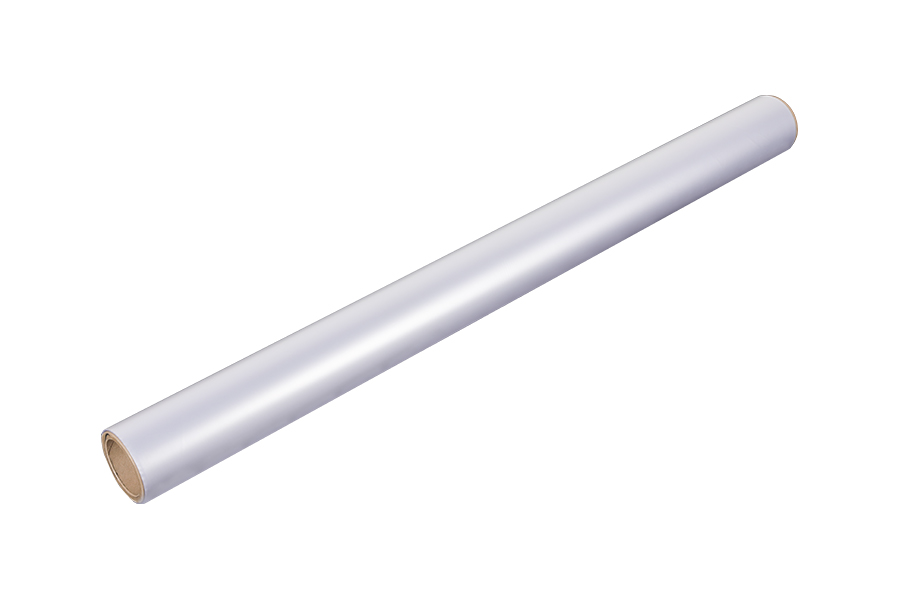
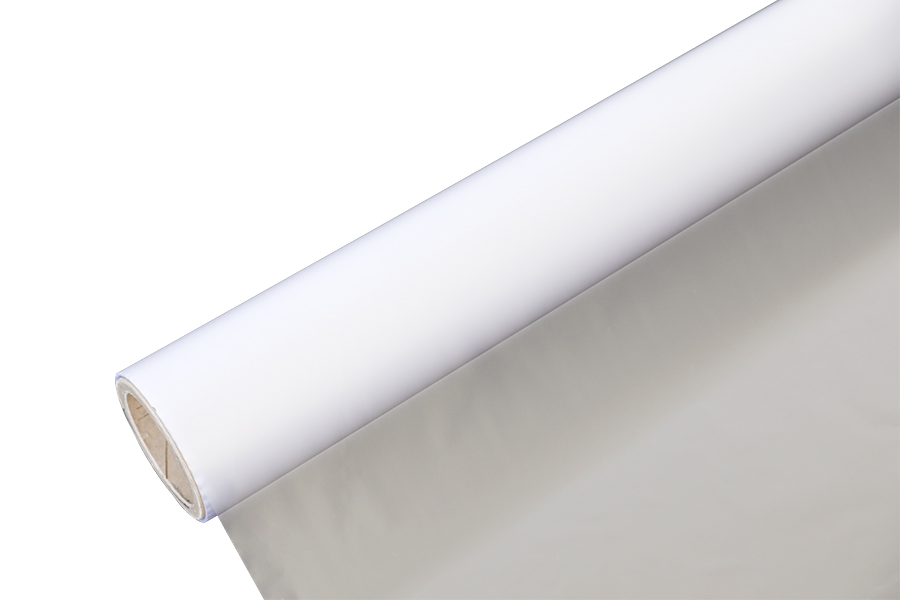
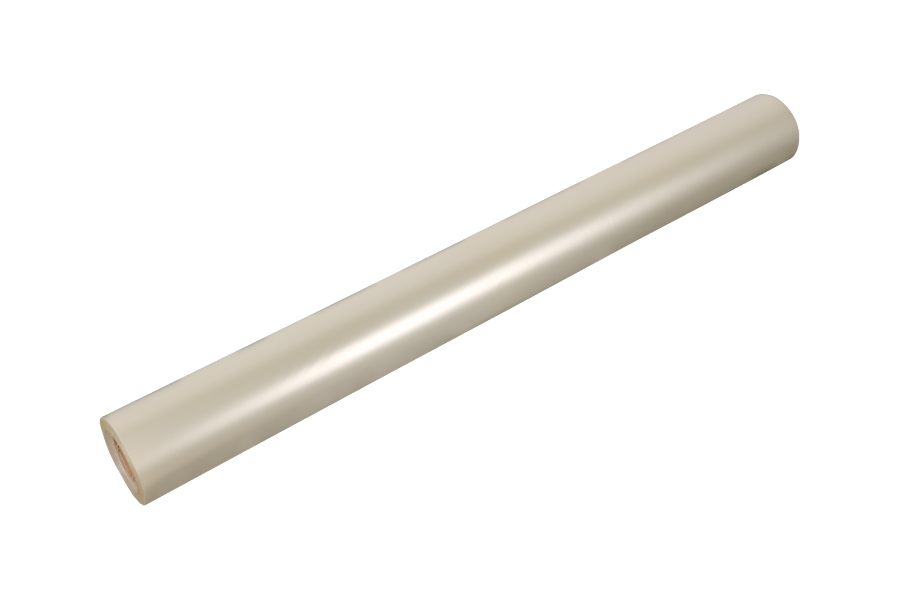
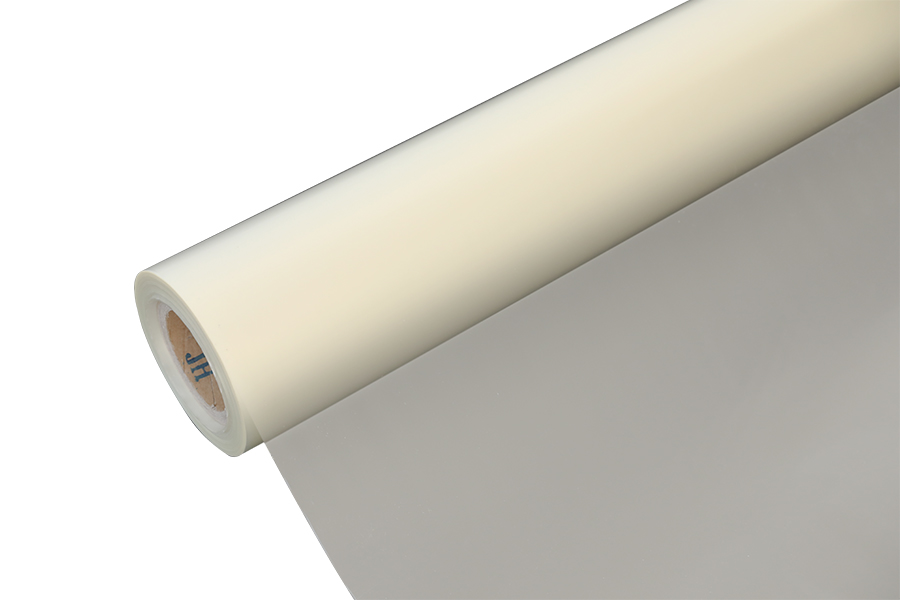
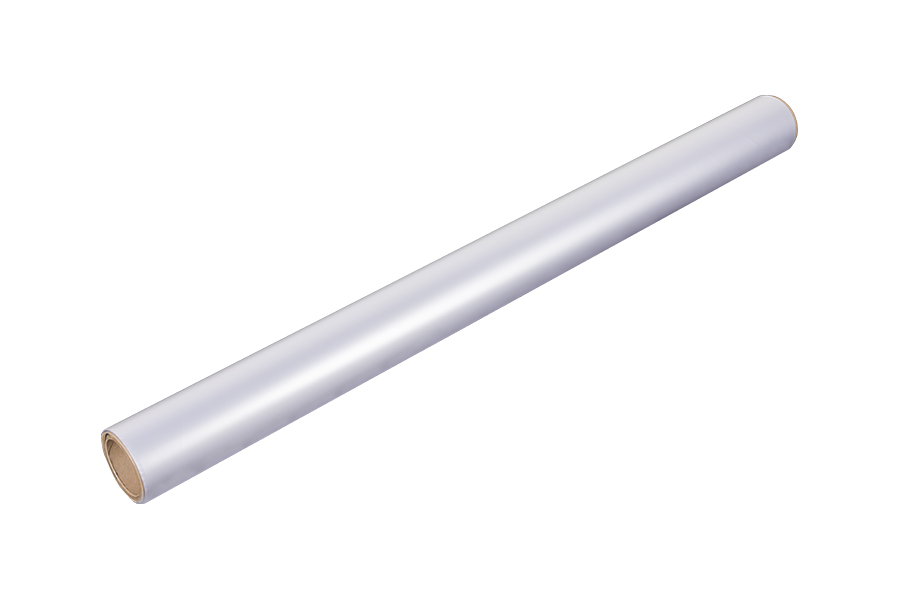
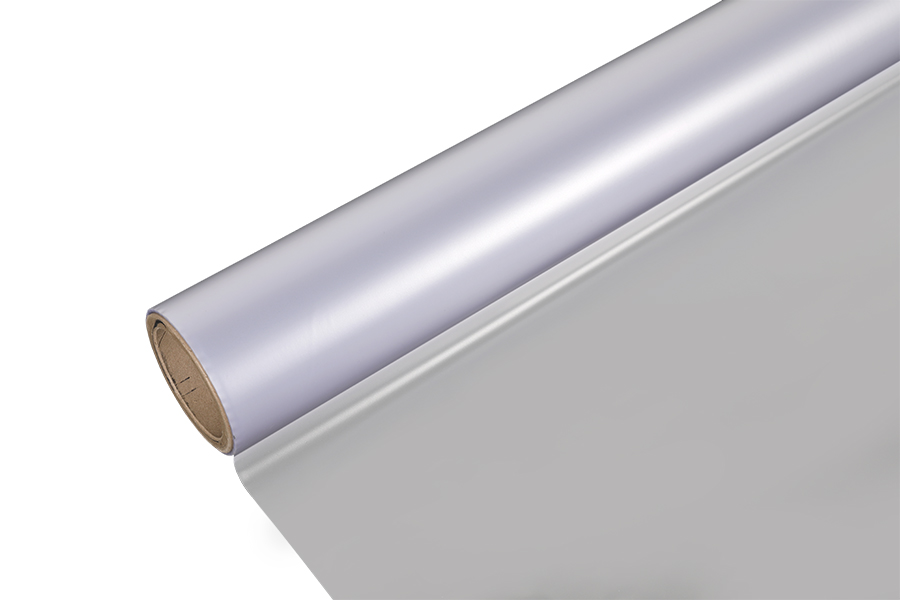
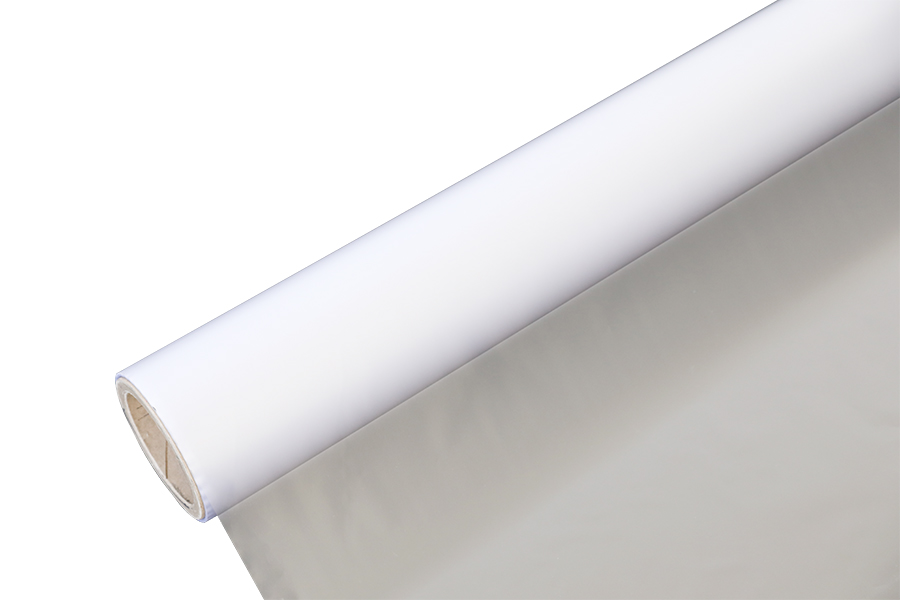
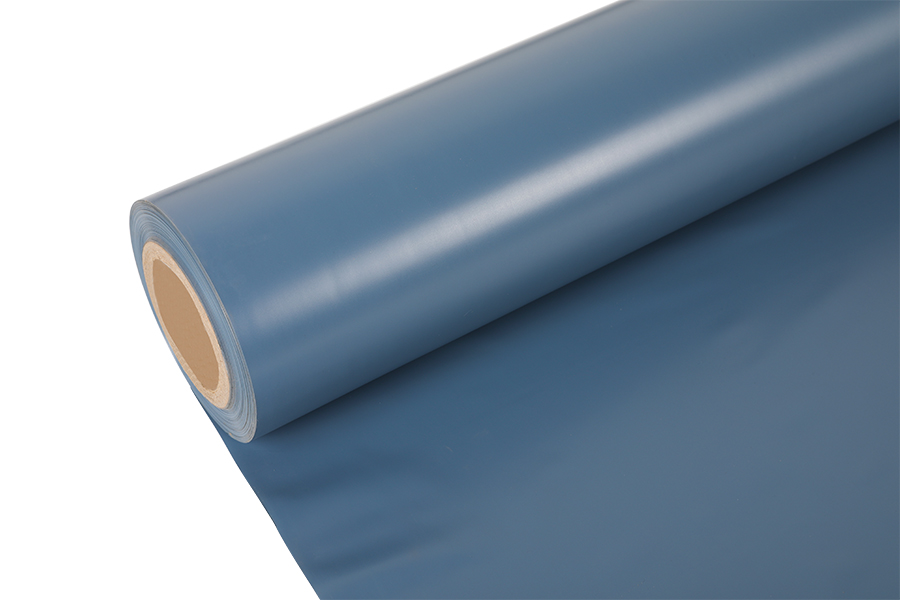
Steel plate semi-rigid printing base film is an advanced material designed to bridge the gap between flexible and fully rigid substrates. It combines the durability of steel with the adaptability of semi-rigid polymer layers, offering a stable yet slightly flexible platform for high-precision printing. This hybrid structure makes it particularly useful in industrial and commercial printing environments where both strength and adaptability are required.
Unlike traditional rigid steel plates or fully flexible films, this material maintains dimensional stability while allowing slight bending without deformation. This property is crucial in processes such as screen printing, offset printing, and specialized industrial marking where consistency and repeatability are essential.
Key Structural Characteristics
Layer Composition
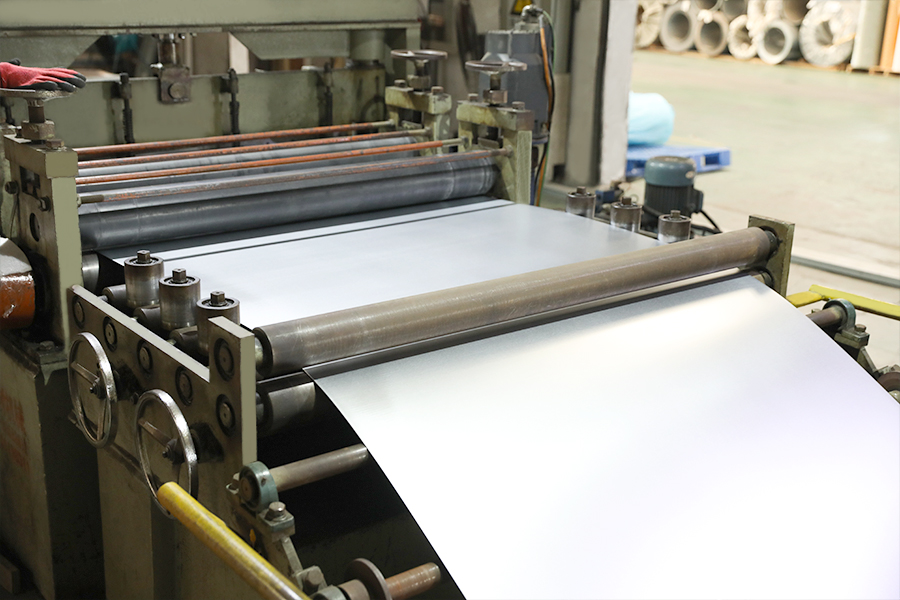
The material typically consists of a thin steel core bonded with semi-rigid polymer layers. This combination provides both mechanical strength and surface compatibility for inks and coatings. The outer layer is often treated to improve adhesion and ensure uniform ink distribution.
Dimensional Stability
One of the defining features is its resistance to expansion or contraction under varying temperatures and humidity levels. This ensures consistent print quality across long production runs, minimizing registration errors and distortions.
Controlled Flexibility
While the steel core provides rigidity, the semi-rigid layers allow slight bending. This controlled flexibility makes handling easier and reduces the risk of cracking or permanent deformation during installation or operation.
Practical Advantages in Printing Applications
Enhanced Print Accuracy
The stable structure ensures precise alignment during printing processes. This is particularly beneficial in multi-color printing where even minor misalignments can compromise the final output. The material maintains its shape under pressure, ensuring consistent results.
Durability and Longevity
Steel plate semi-rigid base films are highly resistant to wear and tear. They can withstand repeated use without significant degradation, making them a cost-effective option for high-volume printing operations.
- High resistance to mechanical stress
- Long service life compared to traditional films
- Reduced need for frequent replacements
Improved Ink Adhesion
The specially treated surface of the film enhances ink adhesion, reducing smudging and improving print clarity. This is especially important for high-resolution graphics and fine text printing.
Comparison with Other Printing Base Materials
To better understand its advantages, it is useful to compare steel plate semi-rigid printing base film with other commonly used materials.
| Material Type | Flexibility | Durability | Print Accuracy |
| Fully Rigid Steel Plate | Low | Very High | High |
| Flexible Polymer Film | High | Moderate | Moderate |
| Semi-Rigid Steel Base Film | Moderate | High | Very High |
Applications Across Industries
Packaging Printing
In the packaging industry, precision and durability are critical. Steel plate semi-rigid films provide consistent results for printing on cartons, labels, and flexible packaging materials. Their stability ensures that branding elements remain sharp and consistent.
Electronics and Circuit Printing
The material is also widely used in the electronics sector for printing circuits and conductive patterns. Its dimensional stability ensures accurate placement of fine خطوط and components, which is essential for functionality.
Industrial Marking
For industrial marking applications, such as serial numbers or barcodes on metal surfaces, this film offers reliability and clarity. It withstands harsh environments and maintains print integrity over time.
- Automotive component labeling
- Heavy machinery identification
- Durable barcode printing
Operational Efficiency Benefits
Ease of Handling
The semi-rigid nature makes the film easier to handle compared to fully rigid plates. Operators can install and remove it with less effort, reducing downtime and improving workflow efficiency.
Reduced Waste
Because of its durability and consistent performance, there is less material waste due to defects or failures. This contributes to cost savings and more sustainable production processes.
Compatibility with Multiple Printing Techniques
Steel plate semi-rigid base films are compatible with various printing methods, including screen printing, gravure, and offset printing. This versatility allows businesses to standardize materials across different production lines.
Considerations for Implementation
Initial Investment
While the upfront cost may be higher than traditional films, the long-term savings from durability and reduced waste often justify the investment. Businesses should evaluate total cost of ownership rather than initial price alone.
Maintenance Requirements
Proper cleaning and storage are essential to maintain performance. The surface should be kept free of contaminants to ensure consistent ink adhesion and print quality.
Customization Options
Manufacturers often offer customization in terms of thickness, coating type, and surface treatment. Selecting the right configuration is crucial to achieving optimal performance for specific applications.
Future Trends and Innovations
As printing technology continues to evolve, steel plate semi-rigid base films are expected to play an increasingly important role. Innovations in coating technologies and material science are likely to further enhance their performance, making them even more versatile and efficient.
Emerging trends include the integration of smart coatings for improved ink interaction and the development of environmentally friendly materials. These advancements will not only improve print quality but also support sustainable manufacturing practices.
Conclusion
Steel plate semi-rigid printing base film represents a practical and innovative solution for modern printing challenges. Its unique combination of strength, flexibility, and precision makes it suitable for a wide range of applications, from packaging to industrial marking. By offering enhanced durability, improved print accuracy, and operational efficiency, it provides significant advantages over traditional materials.
For businesses seeking reliable and high-performance printing solutions, investing in this advanced material can lead to improved product quality and long-term cost savings. As technology continues to advance, its role in the printing industry is set to expand, making it a valuable asset for forward-thinking organizations.